From origin

News

Cup of Excellence, markets, farms and the pulse of Salvadoran coffee. Open a story and taste the country.

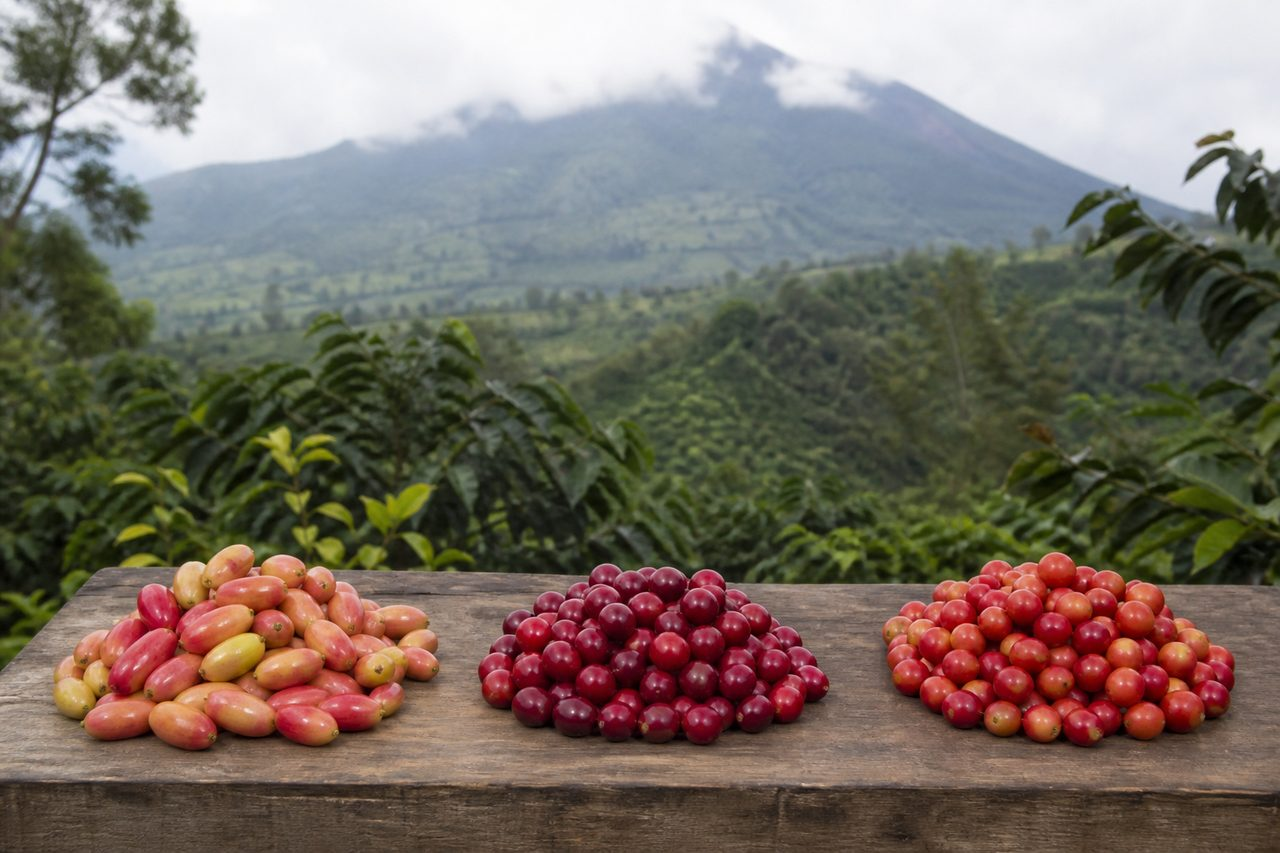
SL28 and Gesha, yes: but in micro and nano lots
Cultivation and Processing; Specialty Coffee March 1, 2026

SL28 and Gesha, yes: but in micro and nano lots

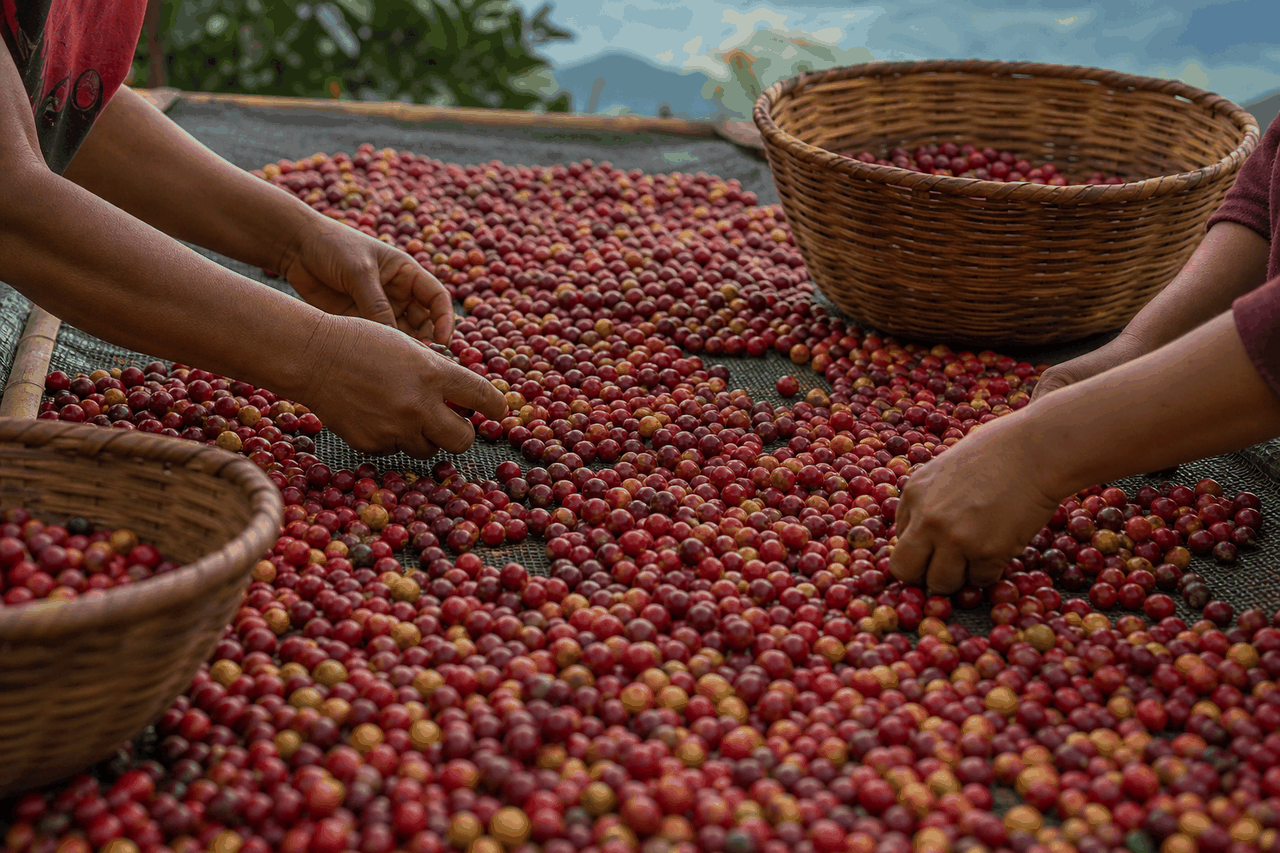
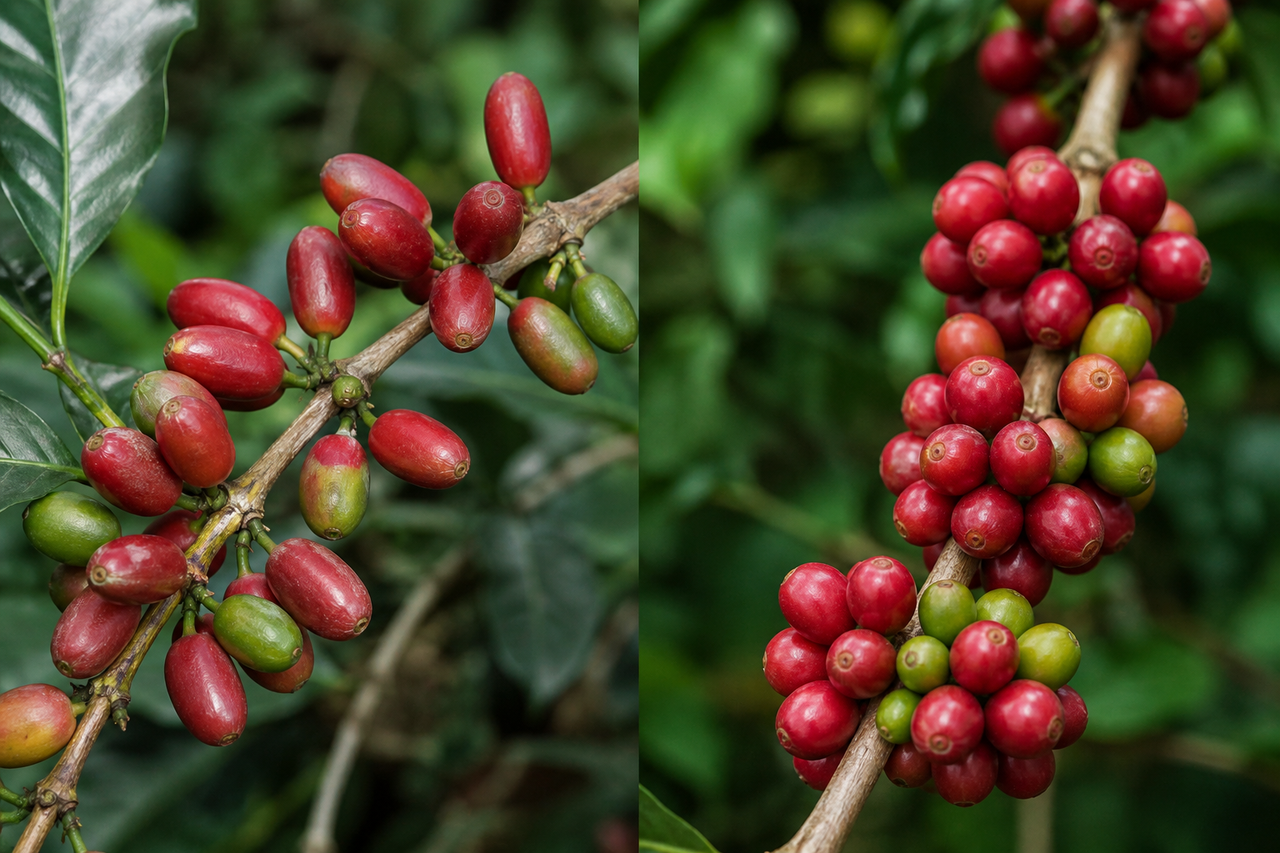
A producer quoted by Perfect Daily Grind puts it plainly: SL28 and Gesha are very popular, but not at large scale. High volume is difficult, even impossible. The value is in the microlot.
Pacamara Week: Japan remains Asia’s bridge
Specialty Coffee; Events and Competitions March 1, 2026

Pacamara Week: Japan remains Asia’s bridge

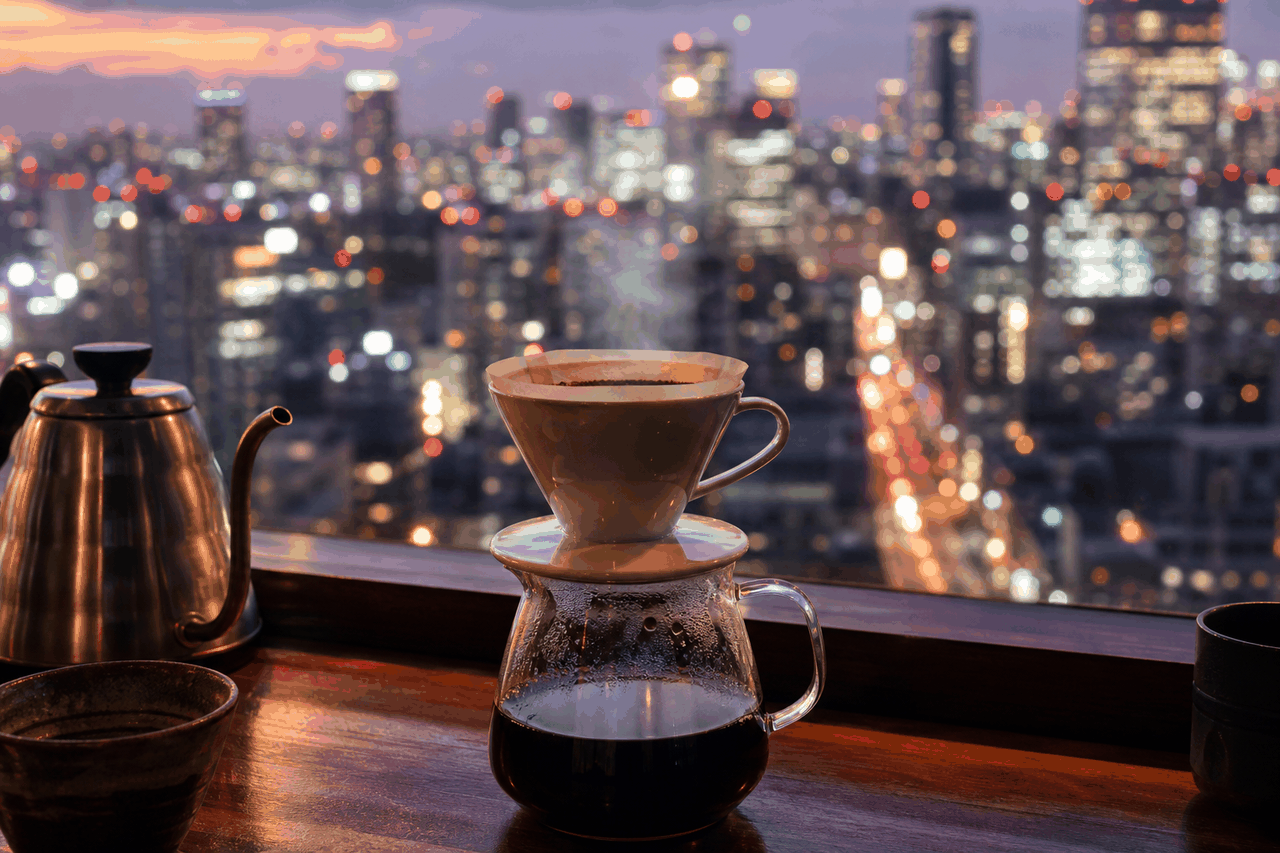
Japan remains the leading Asian buyer of Salvadoran coffee. Sedai Coffee, in Tokyo, joined the demand and took part in Pacamara Week 2026: the national variety as ambassador.

Asia-Pacific: urban coffee gains ground on tea
History and Culture; Specialty Coffee January 10, 2026

Asia-Pacific: urban coffee gains ground on tea

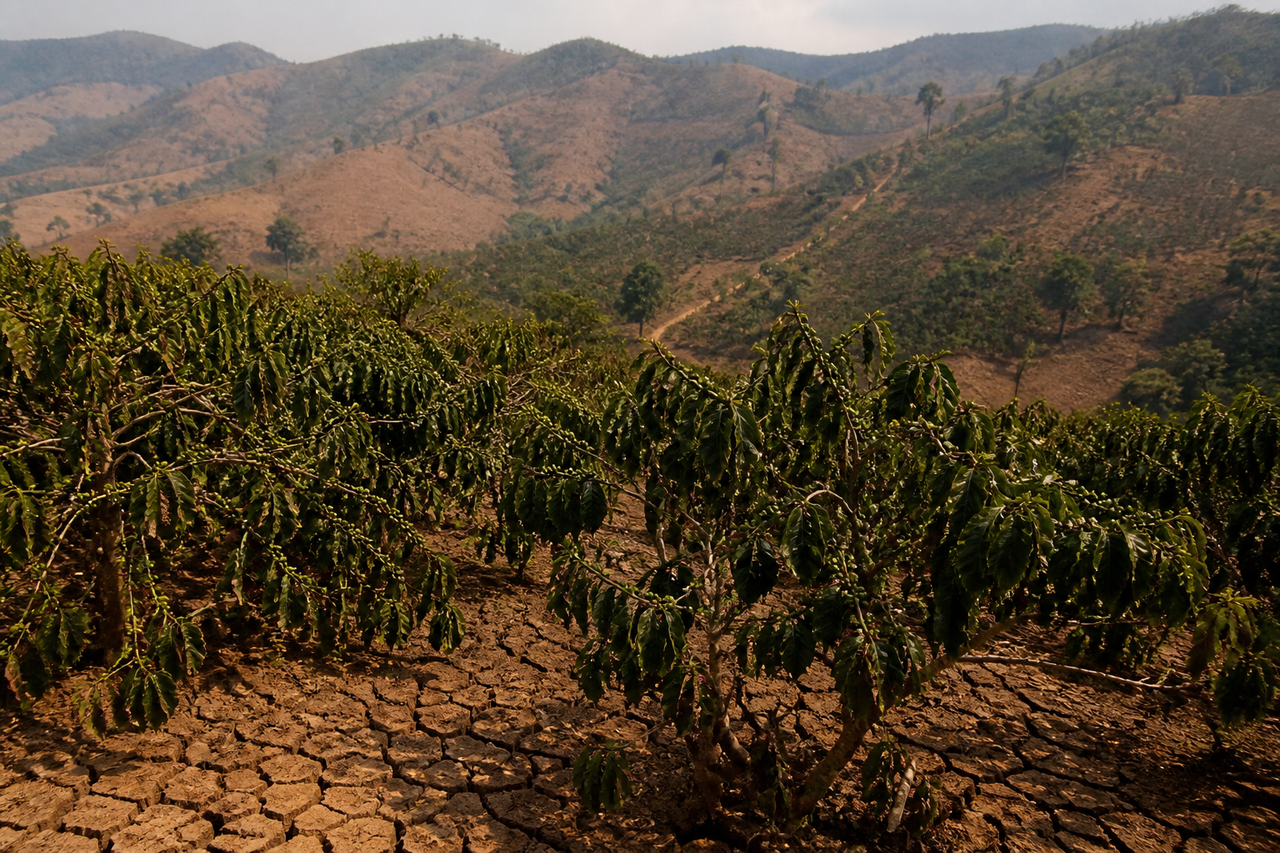
Mordor Intelligence identifies Asia-Pacific as the fastest-growing coffee market. Urban young people move from tea to coffee as a lifestyle symbol. For El Salvador, regional demand is a different circuit from the already known Japanese bridge.

Capsules and ready-to-drink: the format that tests origin
Specialty Coffee; Technology and Innovation January 10, 2026

Capsules and ready-to-drink: the format that tests origin

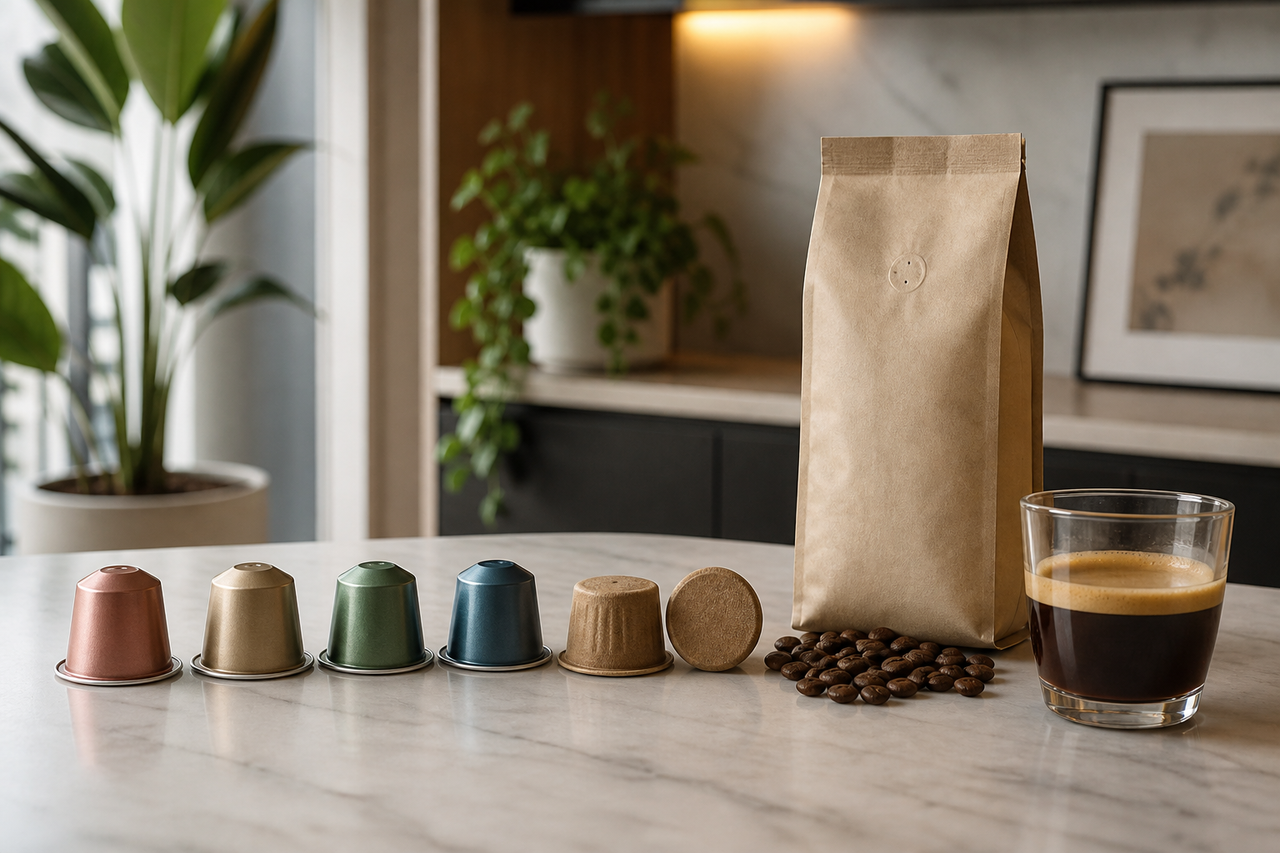
Mordor Intelligence and Grand View Research agree: pods, capsules and ready-to-drink (RTD) coffee grow at rates that, in several market cuts, outpace whole bean or ground. For an origin such as El Salvador, the convenience circuit is a risk of anonymity and a chance for portion-size traceability.

Arabica and robusta: why the difference shows in the cup, not in the sack
Specialty Coffee; Cultivation and Processing December 1, 2025

Arabica and robusta: why the difference shows in the cup, not in the sack

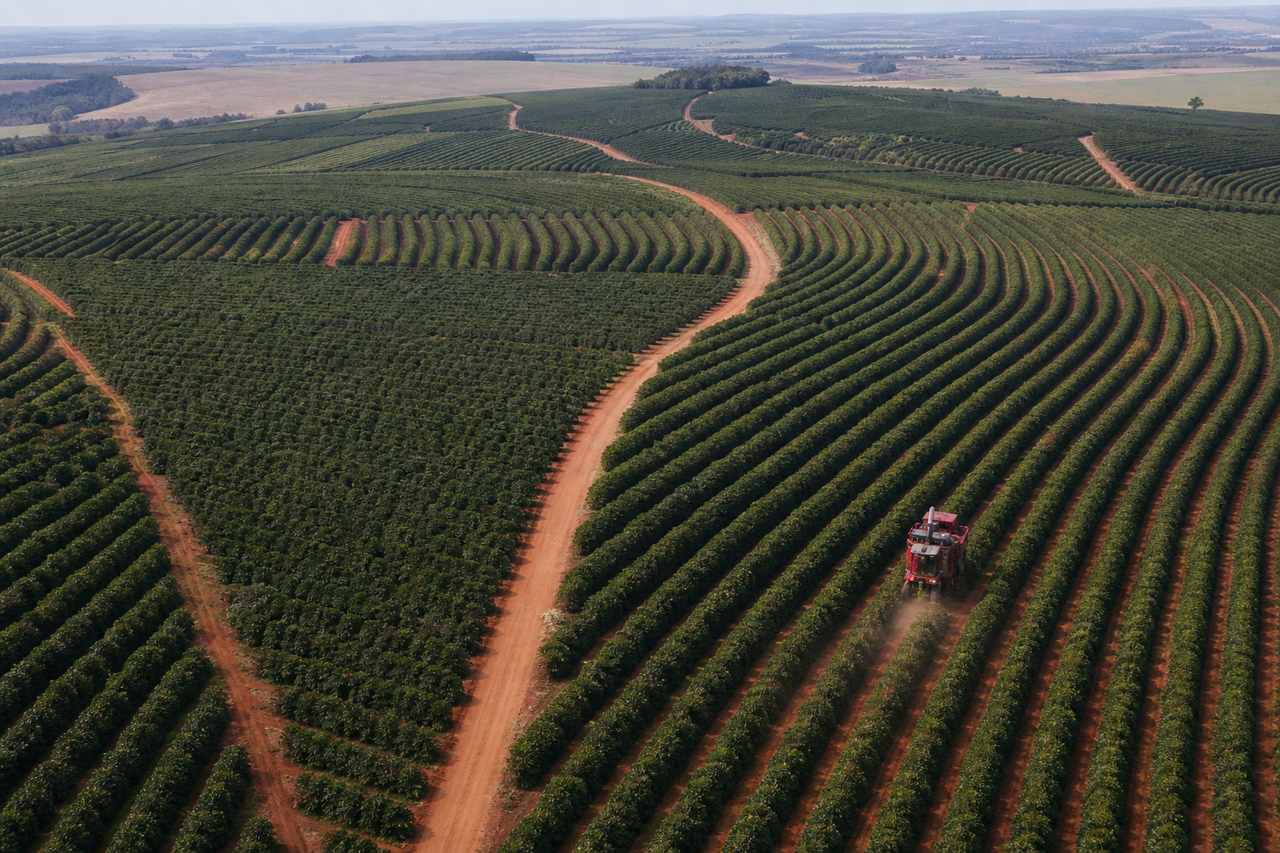
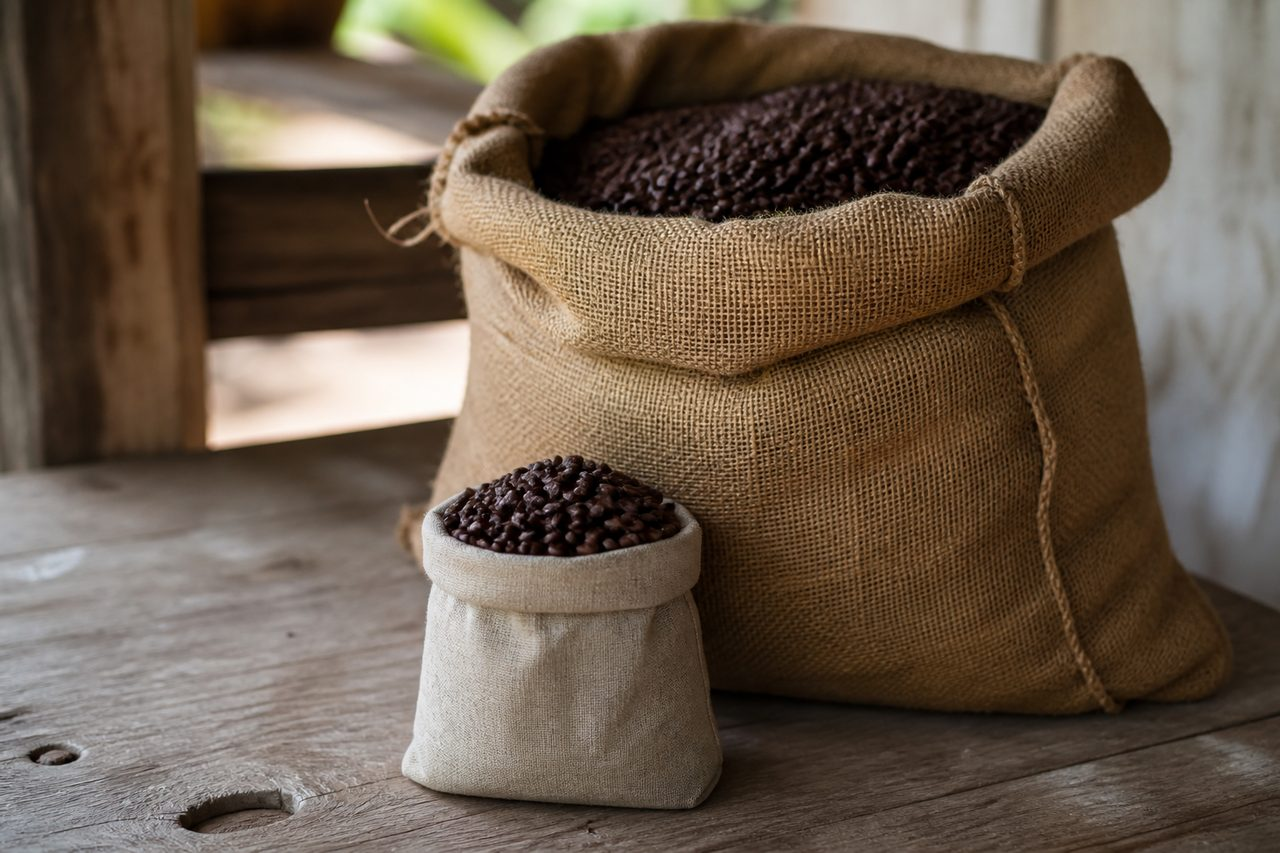
Arabica brings sweetness, acidity and complexity; robusta brings more caffeine and body, the usual base for soluble coffee. Brazil and Vietnam dominate world volume. El Salvador, according to USDA, produces arabica — robusta at zero — and lives on the highland cup: Pacamara, Bourbon, Gesha.