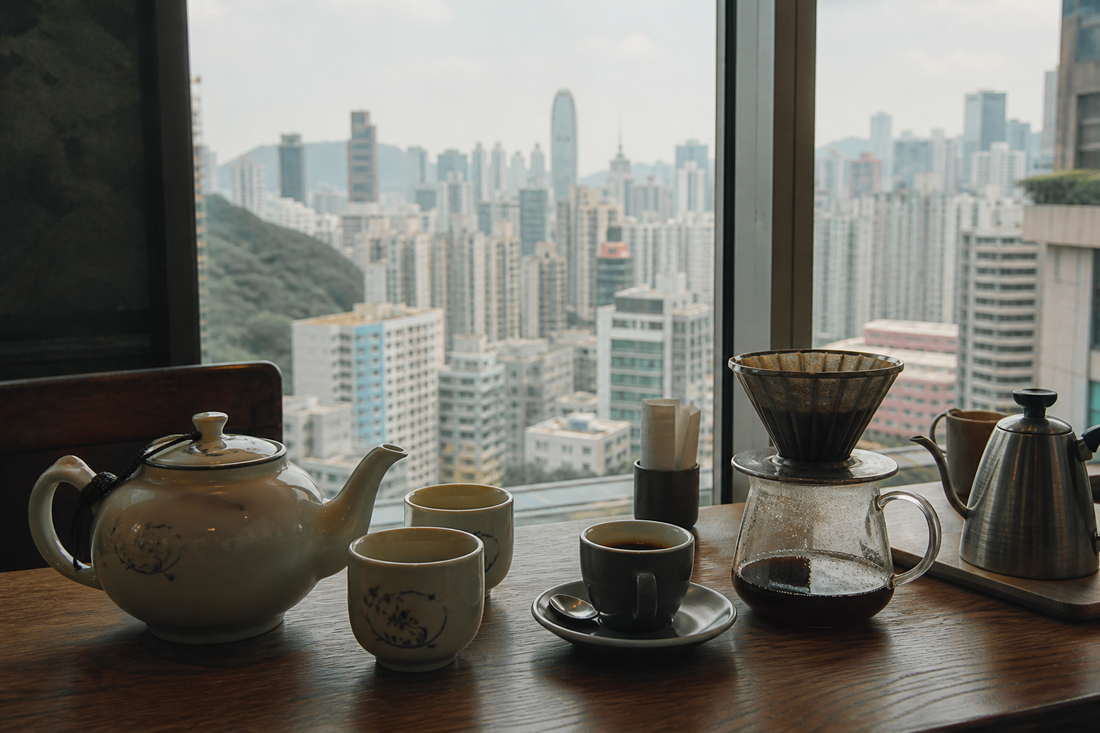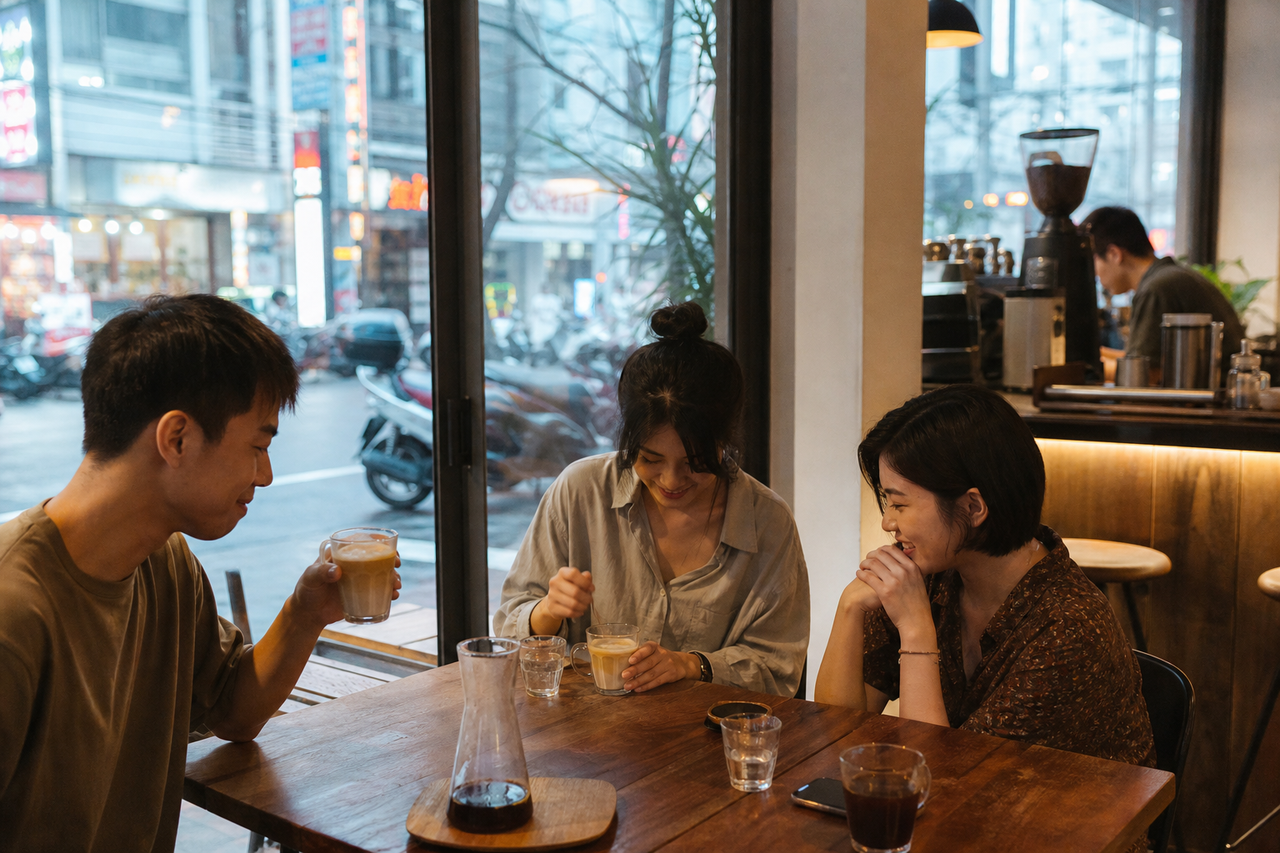
Der globale Überblick von Mordor Intelligence bewertet den Weltkaffeemarkt 2026 auf 185,69 Milliarden Dollar, projiziert 238,99 Milliarden 2031 (5,18 % CAGR). Auf dieser Karte erscheint Asien-Pazifik als der am schnellsten wachsende Markt, und der Berichtstext führt das auf einen konkreten Kulturwandel zurück: städtische Junge, die Kaffee statt Tee wählen. Tee verschwindet nicht vom asiatischen Frühstück. In der Stadt sind Espressotasse, Cold Brew und Café zum Lebensstilzeichen geworden.
Der regionale Bericht Asia-Pacific Coffee Market beziffert diese Nachfrage: 30,26 Milliarden Dollar 2025, 32,16 Milliarden 2026 und 43,58 Milliarden 2031 (6,27 % CAGR). Mordor beschreibt eine Verschiebung von traditionellen Teegewohnheiten hin zum Kaffee, verstärkt durch verfügbares Einkommen, Urbanisierung und digitalen Einkauf. Die junge Kohorte steigt zu Premium- und Einzeldosis-Formaten auf; die Mittelschicht trägt den alltäglichen Instantkaffee. In der Spezialität gibt derselbe Analyst Asien-Pazifik den höchsten geografischen CAGR: 8,03 % bis 2031, gegenüber 34,25 % Anteil, den Nordamerika noch hält.
China stellte 2025 28,74 % des Regionalmarkts; Indien wird als das am schnellsten wachsende Land der Zone projiziert (6,94 % CAGR). Japan und Südkorea erscheinen unter den Treibern von Premiumkaffee. Instant bleibt Volumen; Einzelherkunft und Spezialität sind das schnellere Stück (7,45 % CAGR in der Kategorie Single Origin / Specialty / Organic).
Regionale Nachfrage, keine einzelne Brücke
Dieser Text blickt auf den Appetit der Region, nicht auf die Diplomatie eines einzelnen Käufers. Japan ist für salvadorianischen Kaffee bereits die reifste asiatische Brücke: Röster, die saubere Säure und eine benannte Sorte verlangen. Das erschöpft Asien-Pazifik nicht. 2022 setzte das USDA (ES2022-0004) die kombinierten salvadorianischen Exporte nach Südkorea und Australien auf 6,5 %: ein Boden spezialisierter Nachfrage in Seoul und Melbourne, keine Decke. Das Wachstum, das Mordor beschreibt — Cafés als soziale Knoten, Junge, die ihre Infusion wechseln — ist der Kontext, in dem diese 6,5 % aufhören können, eine Fußnote zu sein.
Für El Salvador ist der Kreis Profil, kein anonymer Container. Ein floraler Pacamara oder ein süßer Schatten-Bourbon passen in Third-Wave-Bars in Busan, Sydney oder Singapur, die rückverfolgbaren Höhen-Arabica suchen, nicht löslichen Robusta. Wer bereits Microlots arbeitet, hat das Format, das diese Städte zahlen. Das Risiko ist, zu spät zu kommen, wenn die urbane Nachfrage mit Äthiopien, Kolumbien oder Spezialitäten-Brasilien gefüllt ist und El Salvador «das andere Zentralamerika» bleibt.
Wer in Ahuachapán oder Morazán anbaut, muss Luckins China-Karte nicht kopieren. Er muss verstehen, dass Tee nicht mehr das einzige urbane Morgenritual in Asien ist und dass jedes neue Café ein Tisch ist, an dem der salvadorianische Vulkan — oder auch nicht — einen Namen haben kann. Die regionale Nachfrage wächst mit oder ohne uns. Salvadorianischer Spezialitätenkaffee kommt an, wenn der Sack die Sprache dieser Stadt spricht: Herkunft, Sorte, saubere Tasse.