Quien busca café salvadoreño en el mundo suele oír hablar de fincas y puntajes. Detrás de esa taza hay un organismo público con nombre y dirección: el Instituto Salvadoreño del Café (ISC). Relacionado con el Ejecutivo a través del Ministerio de Agricultura y Ganadería, es el rector de la política nacional cafetalera. Su encargo no es estrecho. La ley le pide desarrollo económico, educativo, social y ambiental: el café como producto, como bosque y como oficio de familias.
Regular, medir y recomendar
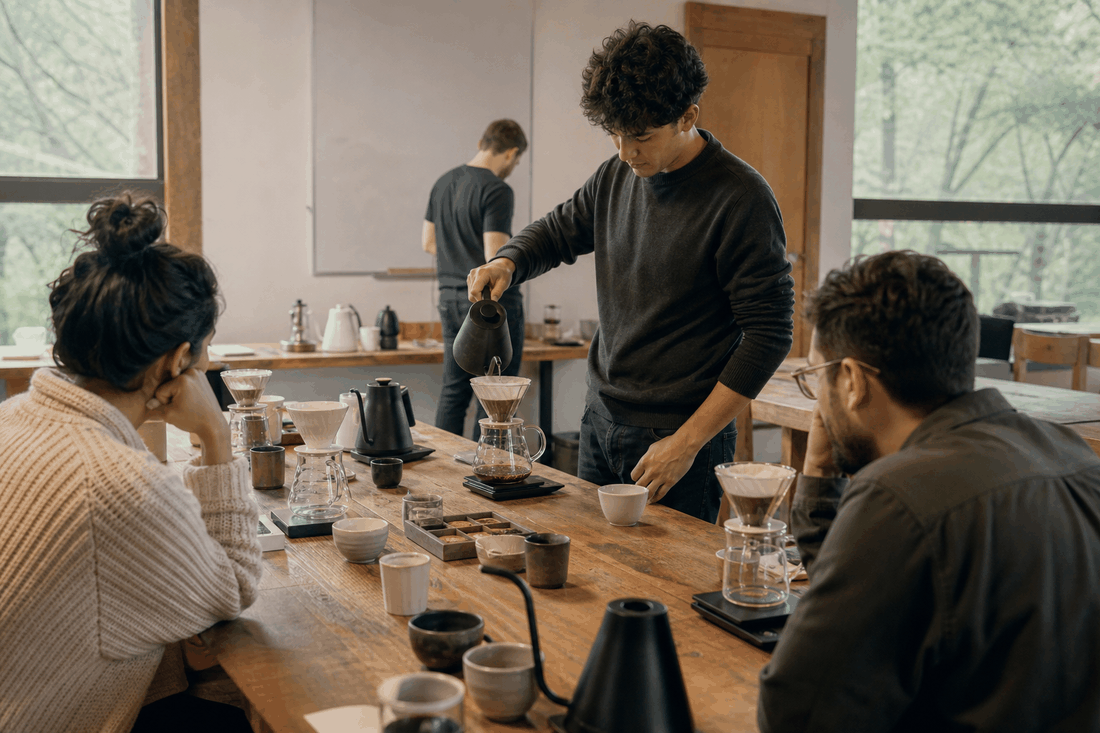
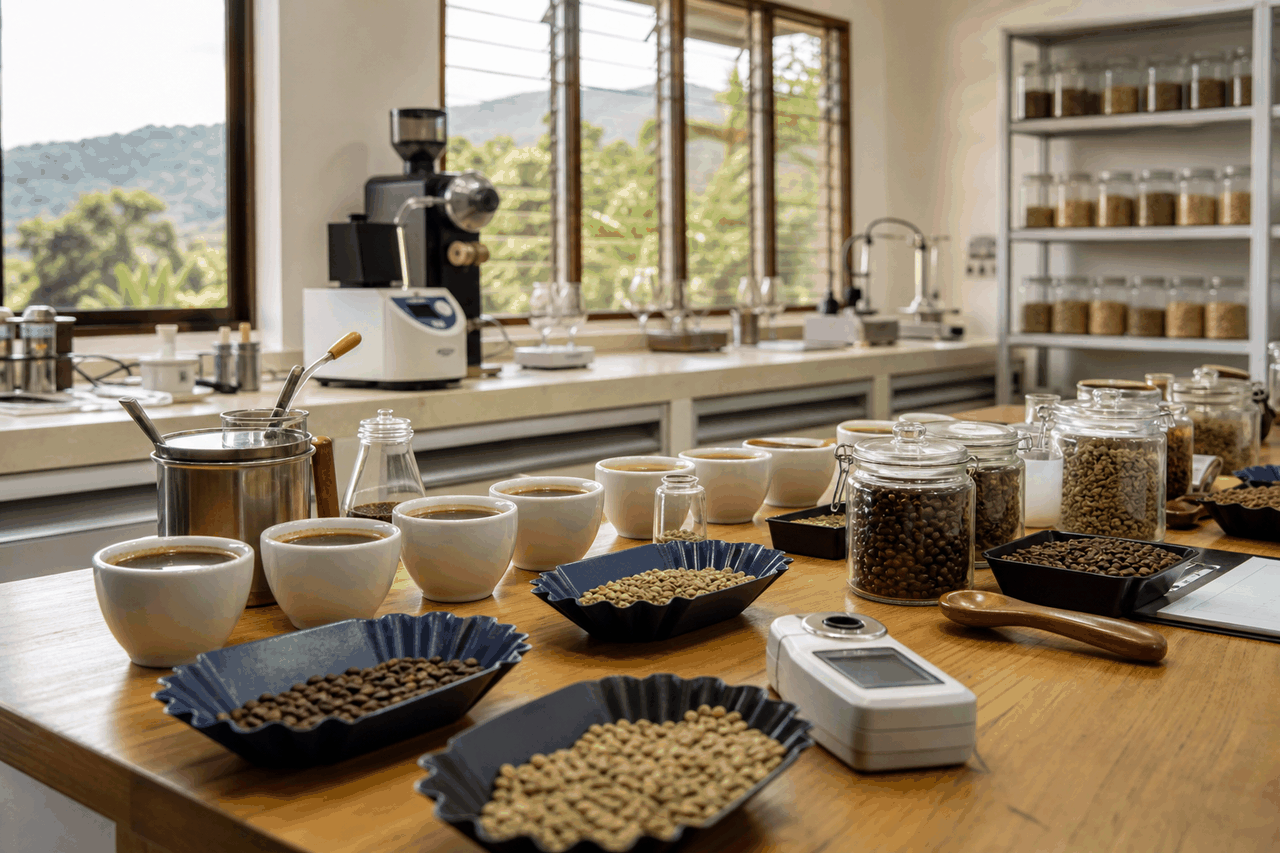
En Santa Tecla el ISC concentra servicios que el comprador y el productor pueden usar. El laboratorio de control de calidad analiza café en pergamino, oro y tostado: humedad, defectos, perfil. Sin esa mesa, la especialidad sería opinión. Con ella, una finca de Chalatenango y un tostador de Tokio hablan el mismo idioma. La Escuela Especializada de Café forma en preparación y cata: acerca el grano a quien lo sirve, no solo a quien lo cultiva. El registro cafetalero ordena quién produce, un paso previo a cualquier política seria.
La Gerencia Técnica emite recomendaciones concretas —por ejemplo, ante alertas de lluvia— porque la cereza madura no espera. Investigar, transferir tecnología, producir material vegetativo y representar al sector en foros internacionales forman parte del mismo mandato. En la memoria de labores 2025–2026 el Instituto reconoció límites de presupuesto y de personal técnico; aun así priorizó territorios estratégicos y reportó servicios a decenas de miles de personas, además de promover la marca en embajadas y ferias.
Un instituto al servicio de la taza cotidiana
La ley no reserva el café a la subasta. Encarga promover el consumo de café tostado y molido de productores y torrefactores salvadoreños, en cafeterías, ferias y comercio. Esa es la cara generalista: que el país beba lo que cultiva. Un Pacamara floral o un Bourbon de panela no son caprichos de concurso; son la misma planta que, bien tostada, llena una cocina. Dulzor, acidez limpia, cuerpo sedoso: cualidades que el laboratorio certifica y que la escuela enseña a extraer.
Quien visite isc.gob.sv encontrará Taza de Excelencia, notas técnicas, inteligencia económica y avisos de clima. El mensaje de fondo es de compromiso: el café salvadoreño merece una institución que cuide la calidad, cuente el origen y invite a tomarlo. Regular no es frenar. Es dar reglas para que la taza —y la sociedad que vive de ella— se sostengan.