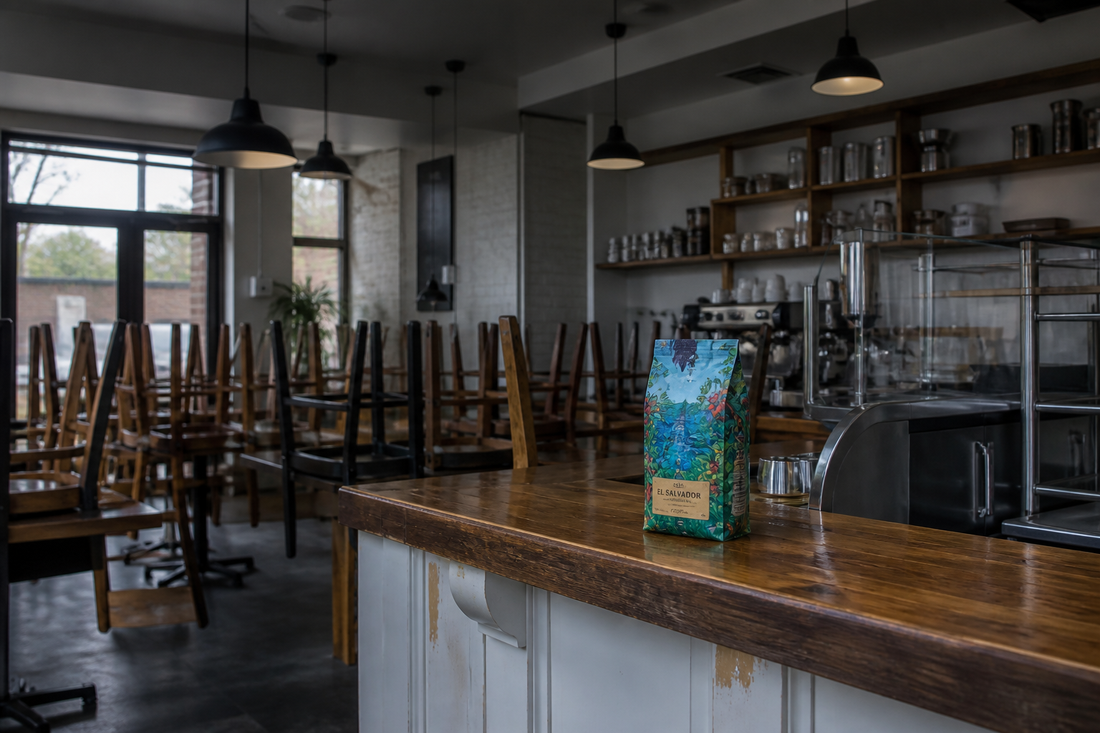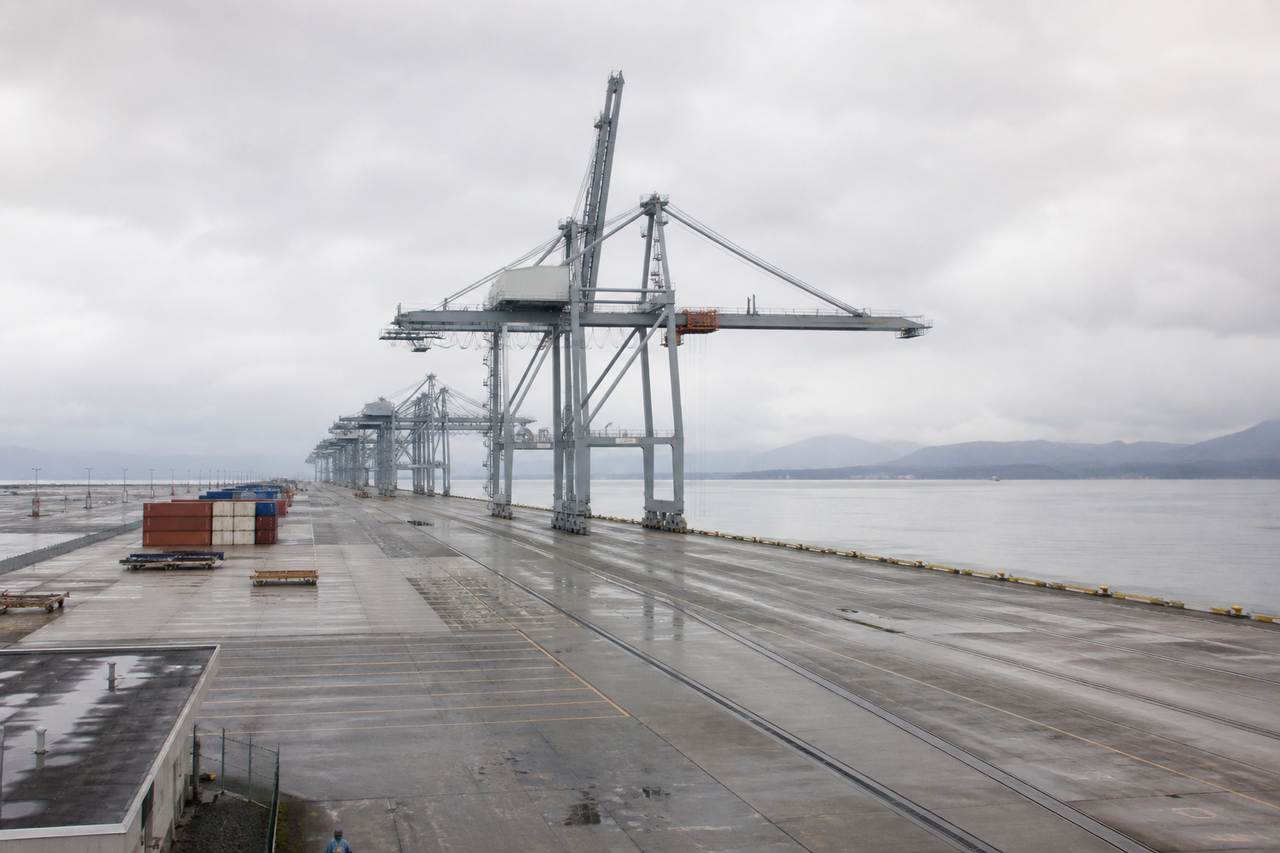
At the end of 2020, Omar Flores, representative of the Salvadoran Coffee Association (ACAFESAL), described a hard scenario to agricultural press: customs and port closures during the COVID-19 pandemic had affected coffee exports. It was not only a harvest in the field; it was bags that could not leave on time for the United States, Germany or Japan because global logistics had shrunk.
The macroeconomic context amplified the blow. ECLAC estimated El Salvador’s GDP would fall 9.2% in 2020. Tourism, a complementary engine in many coffee zones, collapsed by nearly 50%. Consumers closed cafés; containers were scarce; health protocols slowed mills and ports. And as if that were not enough, tropical storms hit the country in an already vulnerable season.
Commodity vs specialty in a crisis year
Salvadoran coffee lives at two speeds. Commodity volume — price tied to the C Contract, thin margin — suffers first when freight rises or the buyer postpones shipment. Specialty, by contrast, showed relative resilience: small lots, direct contracts, buyers who still needed quality cups to maintain menus in markets such as Seattle, London or Tokyo. The 2020 Cup of Excellence auction — with lots such as Divina Providencia sold above $80 a pound — showed the premium segment did not vanish; it adapted to virtual auctions and urgent shipments.
For the farmer on the mountain, 2020 was a year of bifurcation. Those depending on a single exporter and exchange price felt the abyss. Those with specialty buyer relationships, certifications and traceability found windows, though narrower. ACAFESAL did not minimise the damage: it documented delays, extra costs and the need for state support.
Lessons the origin does not forget
The pandemic taught what climate reports repeated: diversifying markets and strengthening the logistics chain is not luxury. When one port closes, another must be available; when one buyer pauses, another country must be on the list. FEWS NET data on economic vulnerability in rural areas reminded that behind every bag are families who lost income from tourism, seasonal work or local sales.
The sector did not collapse. Harvest 2020/21, according to later USDA reports, was modest but exportable. Recovery in MY 2021/22 — 639,000 bags, +18% — would come later, when ports reopened and young trees responded. But 2020 remained a test year: Salvadoran coffee showed it can withstand combined shocks — health, economic, climatic — when specialty sustains the quality narrative.
Anyone discovering this origin by understanding 2020 knows that every current cup carries a lesson in persistence. It is not fragile fairground coffee; it is an origin that survived closed ports, falling GDP and storms, and emerged with specialty intact.