En abril de 2026, el Coffee Annual del USDA para El Salvador anotó un dato que, en un informe de sacos y clima, parece fuera de lugar: una cafetería de San Salvador había quedado tercera en un certamen mundial. El adjunto agrícola la llama «World Coffee Bar». El ranking que importa, y el que el propio local exhibe, se llama The World’s 100 Best Coffee Shops, con patrocinio de Markibar. El puesto es el 3.
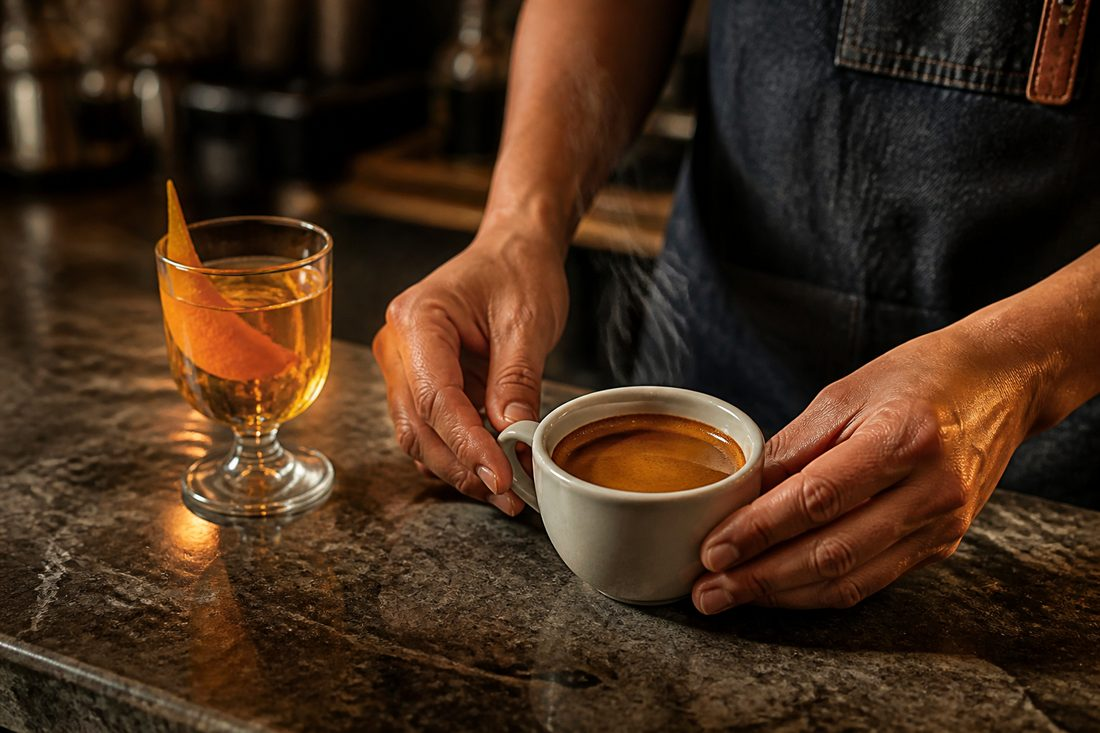
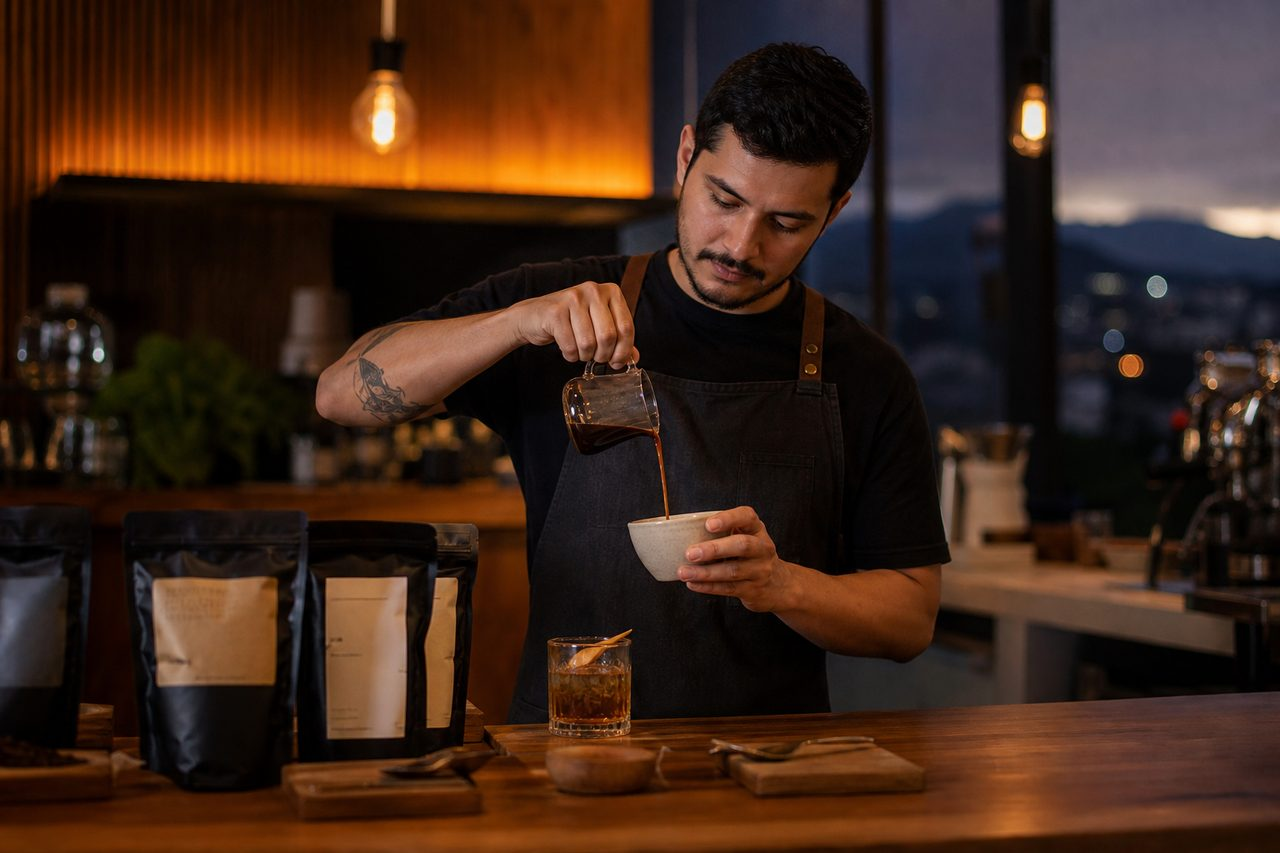
La dirección es concreta: Calle Circunvalación 294. El fundador también: Federico Bolaños, a quien el ranking describe como el entrenador más exitoso en la historia del World Barista Championship. Esa credencial no es adorno. Explica por qué Alquimia no se presenta como un mostrador de espresso, sino como «the definitive coffee experience»: café de especialidad con precisión química, alta cocina, bebidas de autor y hospitalidad. Quien entra no pide un café cualquiera. Entra a un ritual.
El Salvador.com recogió las cifras del propio Bolaños: 800 jueces y más de 17.000 cafeterías evaluadas en el planeta. No se inscribieron. Los nominaron los jueces internacionales. Subieron puestos —quizá veinte, quizá diez, quizá cinco— hasta el tres. El premio, dijo, se dedica a los productores alineados con hacer los mejores cafés del mundo, al café de El Salvador y a los clientes que confiaron.
Qué significa «alquimia» en una taza
Los baristas se llaman alquimistas. Bolaños lo explica con una imagen antigua: los alquimistas buscaban transformar materiales básicos en oro; aquí se busca transformar lo extraordinario en sublime. La obra maestra de esa idea es Elixir, una bebida que tardó tres años en cuajar. No es un truco de menú. Es el tiempo que pide un origen cuando se lo trata como materia, no como commodity.
La regla de la casa es más radical que el ranking: 100 % café salvadoreño. Chalatenango, Santa Ana, Ahuachapán, San Miguel, La Unión: el mapa del menú es el mapa del país. No preguntan primero el método. Preguntan el café, el productor, el proceso. Hay, en todo momento, ocho experiencias distintas; cada una es un conjunto de bebidas. Las colecciones van de la alta especialidad a cafés de más de 90 puntos. Pocas técnicas, bien hechas. Honor al productor.
El concepto nació en 2019; la primera tienda abrió el año anterior al reportaje de El Salvador.com. Hoy operan dos locales y un equipo de 25 personas. Bolaños cuenta el origen personal con la misma pedagogía que usa en barra: no tomaba café porque todo le sabía amargo, hasta que una taza dulce —«tan dulce que parecía chocolate»— le cambió la vida. La ironía que lo movió sigue vigente para muchos salvadoreños: lo mejor se iba y lo que se quedaba no era lo mejor. Alquimia existe para romper esa lógica.
Un tercer puesto que baña de prestigio al origen
Bolaños lo dijo sin rodeos: que Alquimia gane «baña de prestigio al café de El Salvador». El USDA, en frío, lo confirmó al incluir el tercer puesto en el mismo párrafo donde habla de Bourbon, Pacas, Pacamara y Geisha en el retail premium y de un Instituto Salvadoreño del Café que promociona el Día Nacional del Pacamara. Un origen pequeño se hace visible cuando una barra en Circunvalación demuestra que la taza local resiste la comparación mundial.
Quien descubra El Salvador por esta barra entiende de golpe lo que el volumen no cuenta. El país no compite por sacos. Compite por carácter: dulzor, acidez brillante, cuerpo que se sostiene, variedades que el mundo ya nombra y fincas que caben en una frase. Alquimia convierte esa frase en ritual. El secreto, según el fundador, no es la máquina: es respeto y admiración por el trabajo de los productores. Quien cruce Circunvalación 294 no compra un arábica anónimo de Centroamérica. Compra una tesis: el Café de El Salvador, servido con ciencia y con nombre, puede medirse con las mejores barras del mundo.