

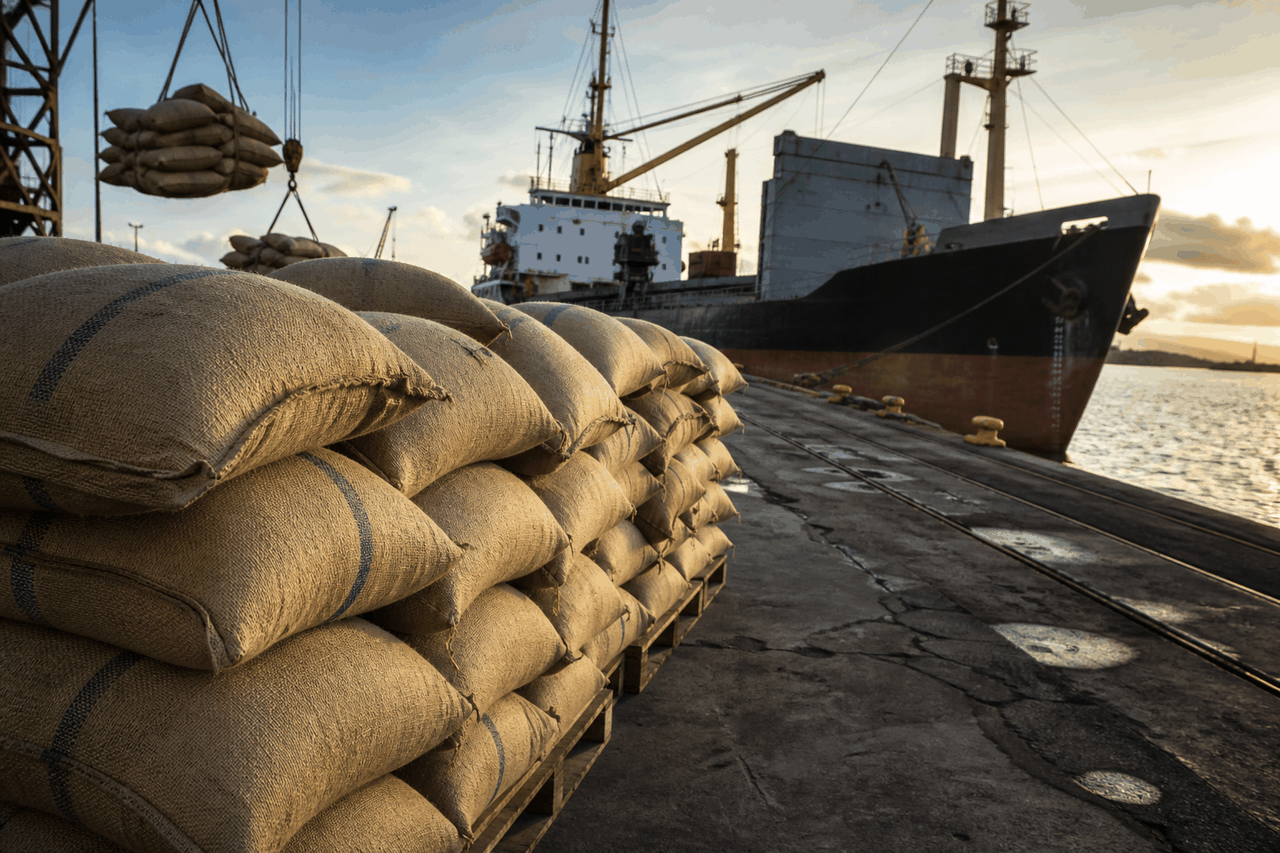
En 2024 El Salvador exportó café por 137,1 millones de dólares, unos 10 millones menos que en 2023 (−6,8 %). En volumen, la baja fue del 6,3 %: 27,4 millones de kilos frente a 29,2. El quintal se pagó, en promedio, 232,47 dólares, casi igual que el año previo. Leídos en frío, los números parecen un paso atrás. Leídos con taza en la mano, describen un origen que sigue eligiendo destinos exigentes.
Estados Unidos compró 59,1 millones de dólares. Detrás vinieron Bélgica (15,7), Italia (8,6), Arabia Saudí (7,3) y Japón (6,6). No es una lista al azar. Bélgica es puerta de Europa para tostadores de especialidad. Italia entiende el espresso. Arabia Saudí ha irrumpido en microlotes de concurso. Japón paga la limpieza. El café salvadoreño llega, mayoritariamente como oro (90,9 % en el ejercicio 2023/24), pero también tostado y soluble: hay industria, no solo materia prima.
Qué dice ese mapa al descubridor
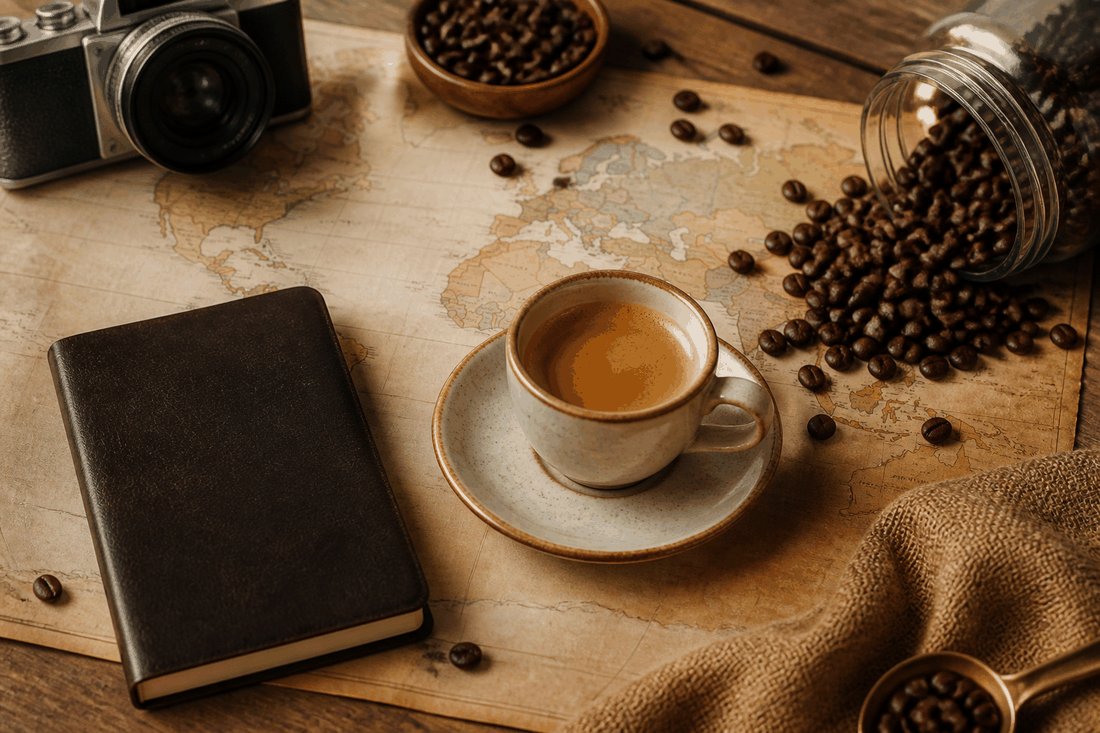
Dice que el grano de las seis regiones ya tiene club de paladares. Un Bourbon de Apaneca puede terminar en un espresso romano; un Pacamara de Metapán, en un filtrado de Amberes; un honey de Chalatenango, en una cafetería de Riad. La diversidad de destinos es una ventaja: el país no depende de un solo gusto.
La caída de 2024 se entiende mejor junto al clima y a cafetales viejos. No anula el prestigio. Invita a comprar mejor: menos contenedores genéricos, más lotes con nombre de finca. Quien busque Café de El Salvador en esos mercados lo encontrará posicionado como origen de calidad media-alta, con picos de excelencia que la subasta enseña cada julio.
La expectativa honesta es esta: el volumen puede oscilar; la demanda por taza diferenciada no se ha ido. Al contrario, los destinos de 2024 demuestran que el mundo ya sabe dónde queda este volcán.