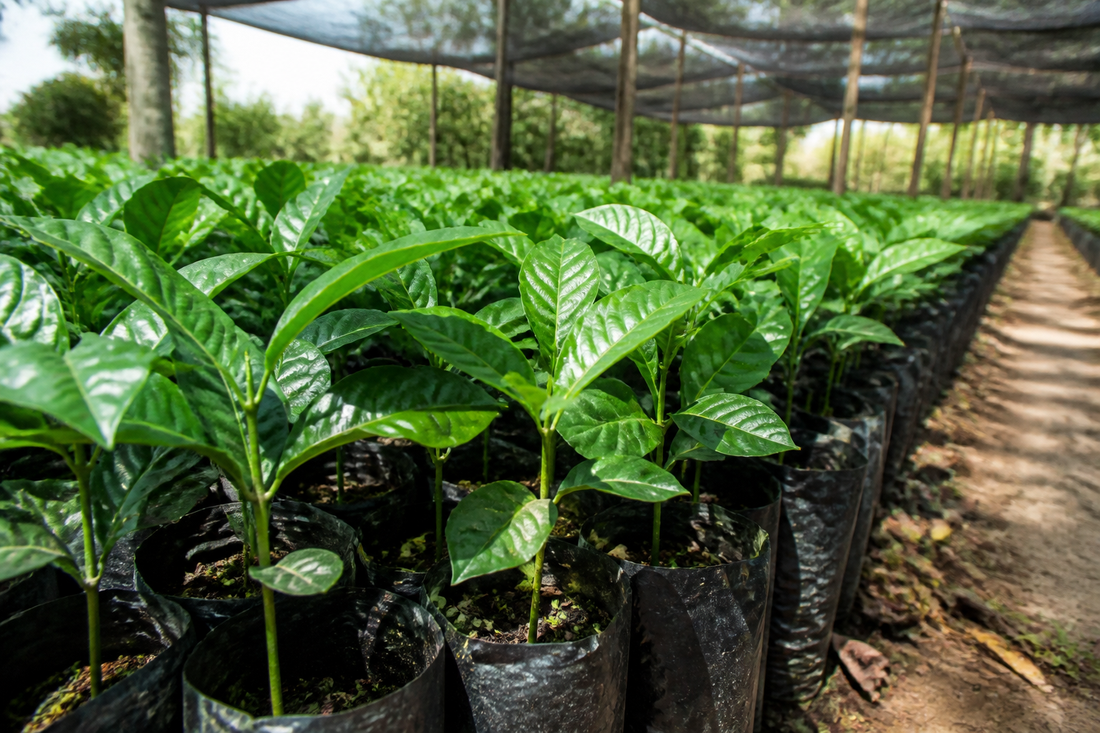


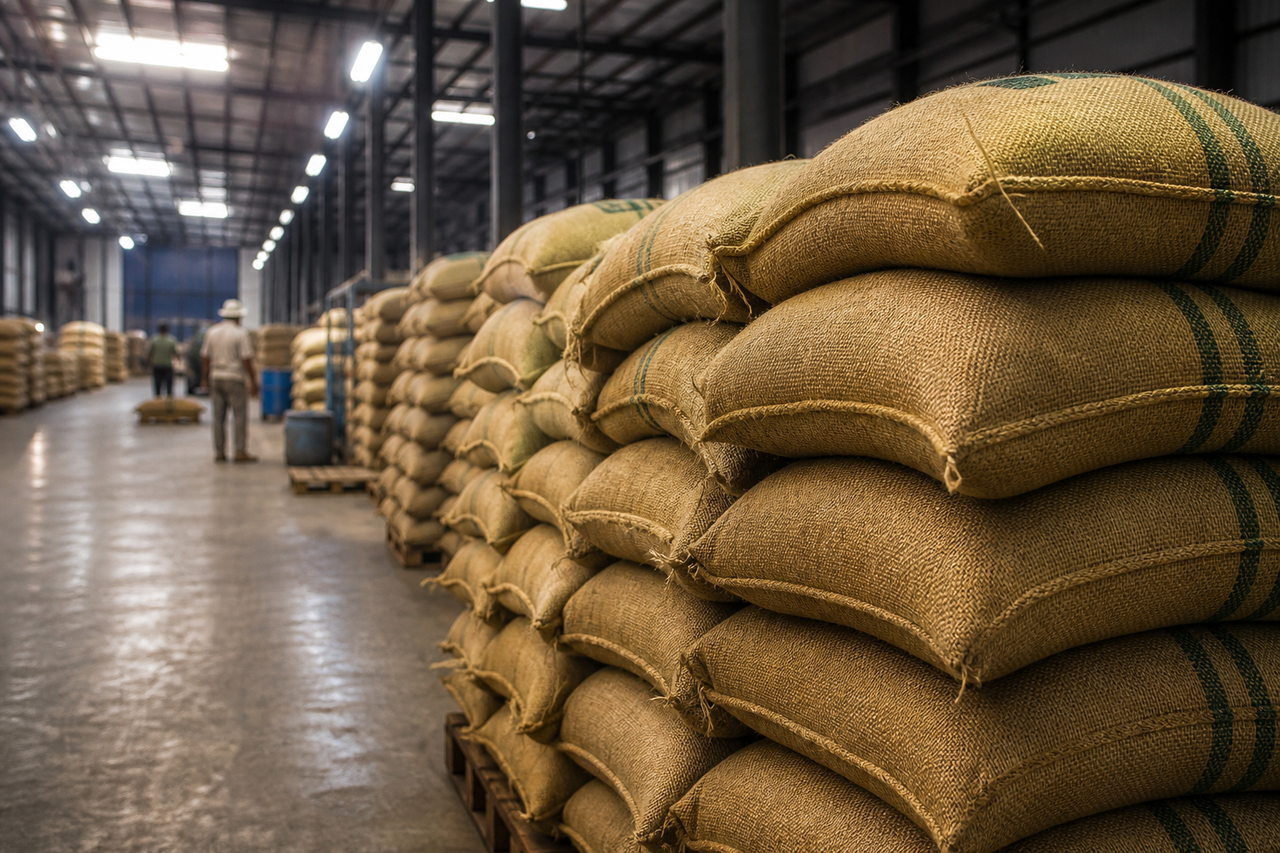
On 20 April 2022, the USDA Foreign Agricultural Service published its annual report on Salvadoran coffee (ES2022-0004). The central figure is clear: in marketing year (MY) 2021/22, El Salvador produced 639,000 bags of 60 kilos, 18% more than the 541,000 bags of MY 2020/21. This is not a casual bounce. It is the sum of kinder weather, young trees beginning to yield, and a sector that, after years of leaf rust and partial abandonment, bet again on the coffee farm.
The report projected 619,000 bags for MY 2022/23: a slight downward correction, consistent with climate volatility and the uneven maturity of renewed plots. Exports in MY 2021/22 stood at 637,200 bags, nearly at production level. El Salvador remains a small origin in global volume, but every bag that leaves well processed reinforces the specialty premium the market already recognizes.
Who buys and what the map teaches
The United States absorbed nearly 49% of exported bags: the leading destination, as in most recent reports. Germany took around 10% — about 62,990 bags — consolidating its role as the second European market by volume. Japan, the United Kingdom and Belgium completed the core of traditional buyers. South Korea and Australia, together, accounted for about 6.5%: a modest share in bags, but growing in interest for sweet, traceable profiles.
For those who grow, the lesson is twofold. First: renewing trees works, but it takes time. A three- to five-year Bourbon or Pacas plot does not yield like a fifteen-year one; the recovery curve is real. Second: the buyer does not reward the quintal alone, but consistency. A bag that arrives wet, blended or without documentation loses the advantage that volcanic altitude in Apaneca-Ilamatepec or El Bálsamo-Quezaltepec provides.
What the roaster should understand
The USDA does not cup; it counts bags and destinations. But its figures draw the geography where Salvadoran coffee competes best: markets that pay for traceability and cup profile — sweetness, bright acidity, medium body — more than raw volume. If you buy for a single-origin menu, these numbers confirm that exportable supply exists and that demand is spread across North America, Europe and Asia-Pacific.
The 2021/22 recovery did not erase structural challenges. The tree stock remains aged on many farms, labor is scarce and the climate offers no guarantees. But the figure of 639,000 bags marks a higher floor: El Salvador showed it can grow again when it combines new plants, careful milling and access to markets that value the cup. Discovering this origin in 2022 meant finding a country that, far from giving up, was counting bags with pride again.