

The USDA 2026 coffee report for El Salvador estimates 2025/26 exports at 535,100 bags of 60 kilos (+12.6%) and projects 543,000 for 2026/27. The United States would remain the leading destination, with about 268,570 bags — nearly 50%. Belgium emerges as the second pole, around 11%. Italy, Germany, Saudi Arabia and Japan complete the core.
The most useful figure for anyone who still wonders whether specialty is “worth it” is another one: gourmet and competition coffees sell with premiums of 100 to 300 dollars per quintal over the exchange price (C Contract). That range is not a wish; it is what the USDA observed in auctions and in the ISC’s promotional work, with missions to Europe, Asia and the United States.
How a premium is made
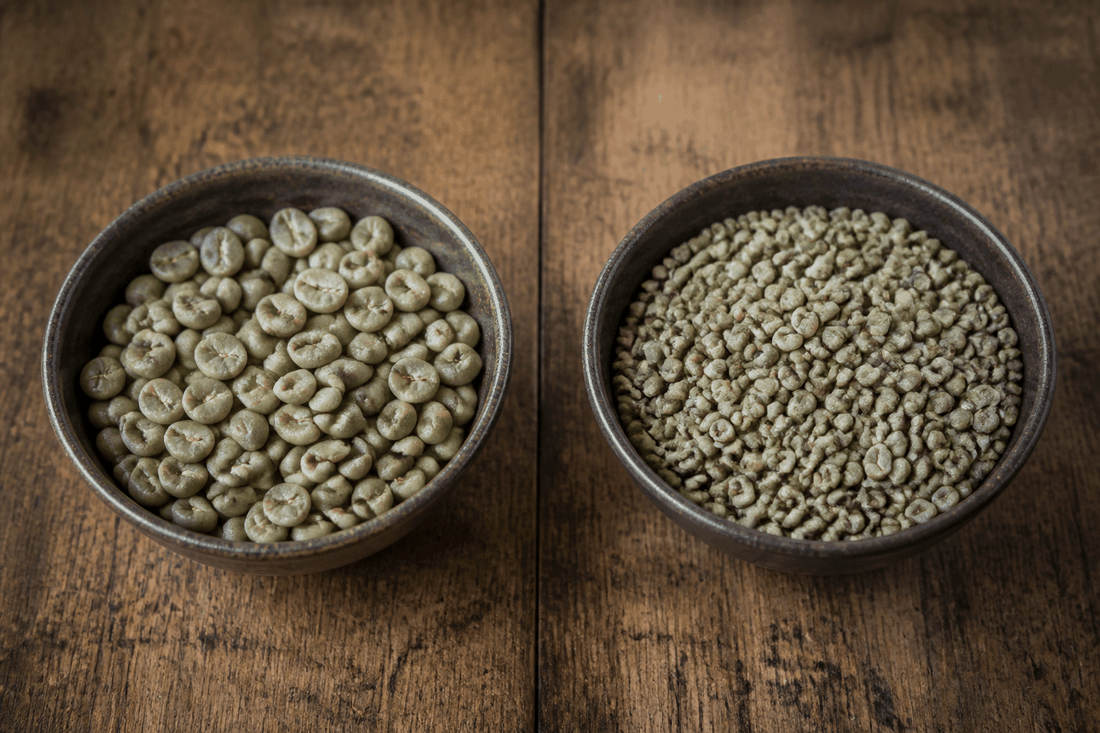
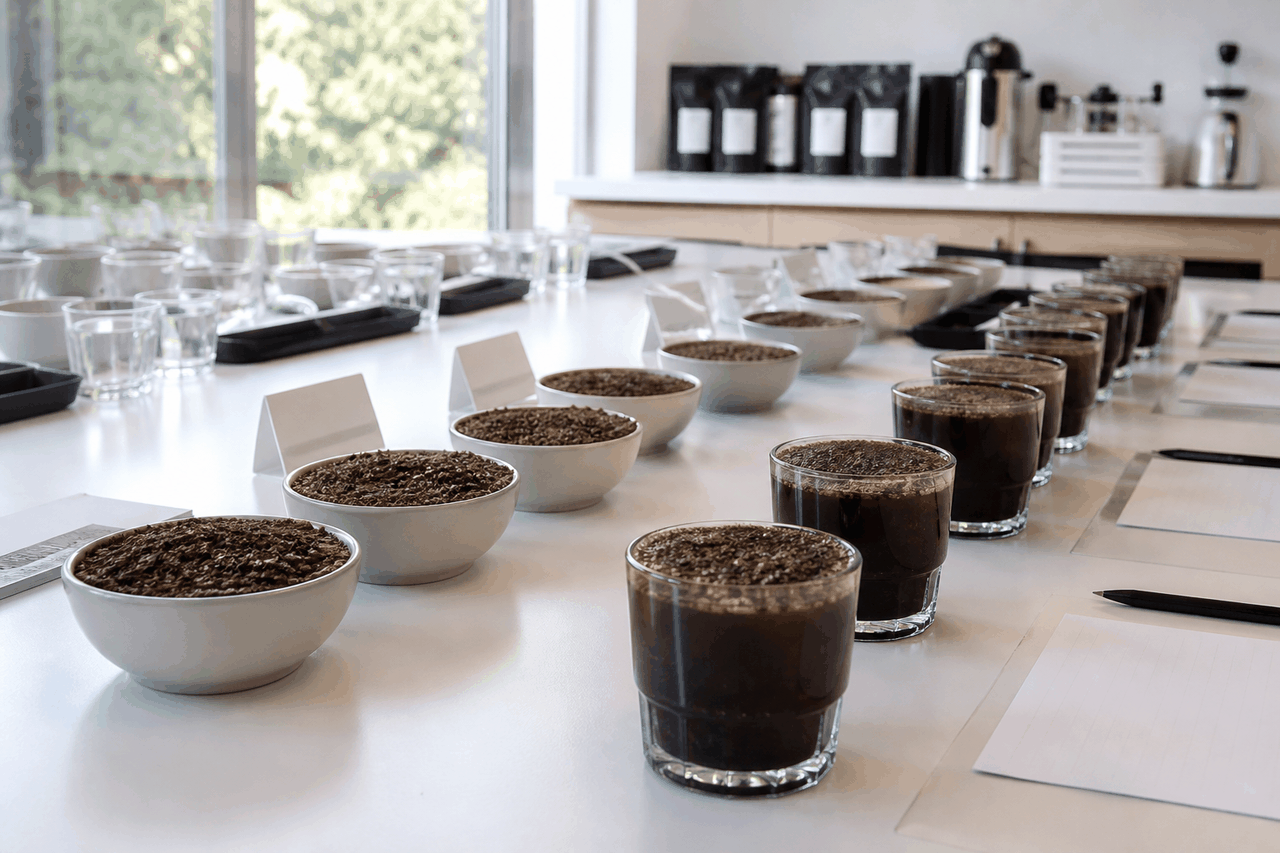
It is made in the ripe cherry, at the mill, at the cupping table and in a competition the world respects. Cup of Excellence is not an institutional ornament: it is the mechanism that teaches the price. A roaster who paid 40 dollars a pound in July does not return to commodity with the same mind. They look for the next lot from the same farm, or from the same region.
The report notes that farmers used high prices to liquidate stocks. There is opportunity and there is a warning: without renewal of the tree stock, volume will not follow. The premium, by contrast, can grow if quality holds.
An invitation
If you are a roaster, the math is kind: pay more for a bag that fills your menu. If you are a reader, understand why a Salvadoran coffee on the menu costs what it costs. You are not paying a whim. You are paying volcanoes, variety and a craft that the USDA, in cold figures, already valued at hundreds of dollars of difference.