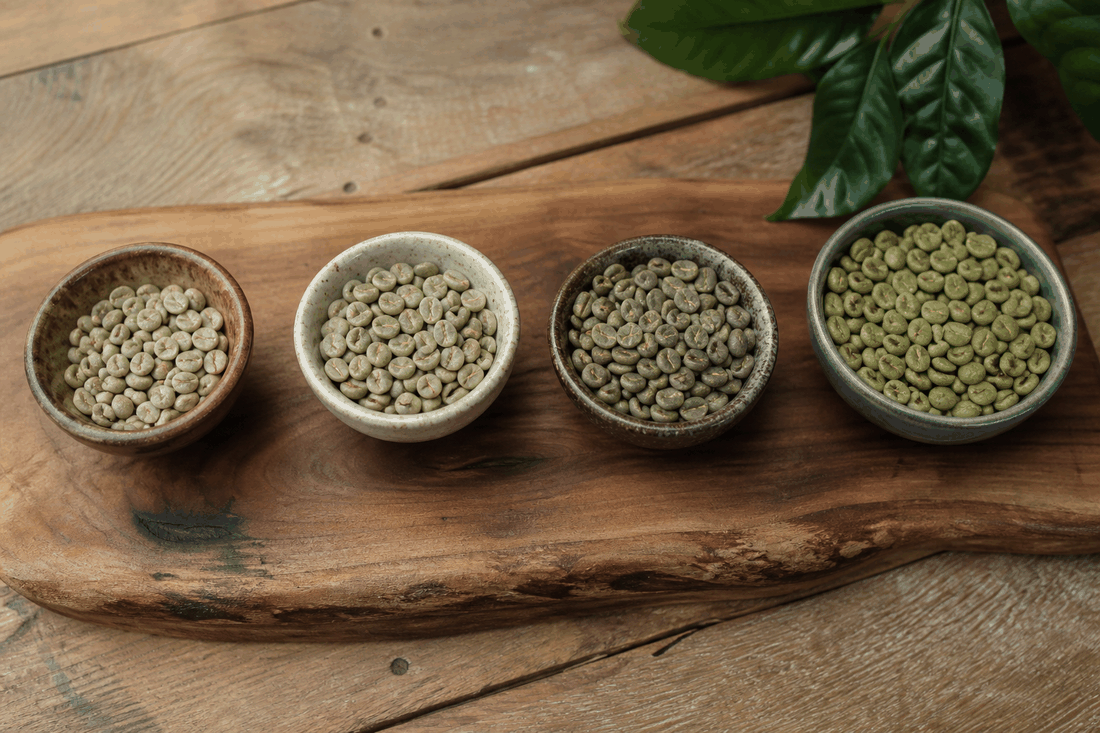


If someone asked for a photograph of Salvadoran specialty coffee in 2026, a drone would not be needed. The list of the 29 lots that Cup of Excellence sent to auction on 2 July would suffice. Pacamara appeared in about 14; Geisha, in 8; Bourbon, in 4; Bernardina, in 2; the rest, blends or others. Almost half of the national podium speaks the language El Salvador invented: Pacas × Maragogipe.
That proportion is a compass for the buyer. Do not ignore Geisha — La Pacaya, Los Morales, San Andrés have shown what it does on a Salvadoran volcano. Do not ignore Bourbon, the caramel-and-chocolate classic that holds daily espresso and filter. And do not ignore Bernardina, the rarity that governed this year’s contest. But understand the center of gravity: Pacamara is the signature.
How to use this map on a menu
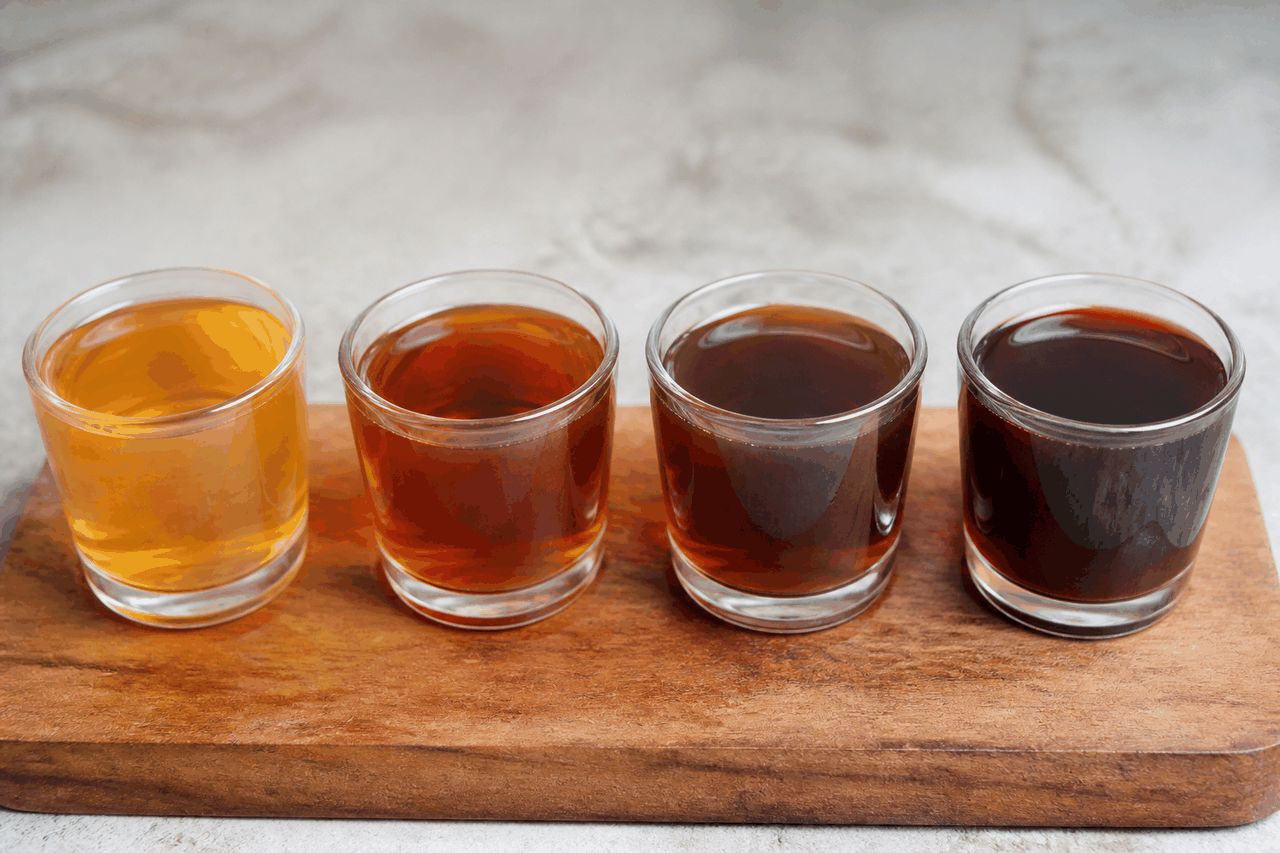
Build three cups. A Pacamara honey from Metapán or Chalatenango, to show flower and fruit with body. A washed Bourbon from Apaneca or El Bálsamo, to show balance and panela. A Geisha or a Bernardina, for the moment of wonder. With that, a menu tells the country without disguise. Add, if you can, an experimental anaerobic: it is the 2025–2026 chapter of innovation.
All six regions fit on that menu. Apaneca-Ilamatepec brings perfume and mist; Alotepec-Metapán, contest consistency; El Bálsamo, cacao and breeze; Chinchontepec, tropical fruit; Tecapa-Chinameca and Cacahuatique, the east that still surprises anyone who only knew the west.
A good expectation, to close
El Salvador’s coffee does not ask to be believed out of patriotism. It asks to be cupped. The last three years — a new institute, auctions at 30, 40, 55 dollars a pound, loyal Japan, organized women, a variety found in 2008 that wins in 2026 — draw an origin that is, literally, still to be discovered in every bean. This website exists for that conversation. The next cup, if it is Salvadoran, already has a story. Now it is your turn to put hot water on it.