

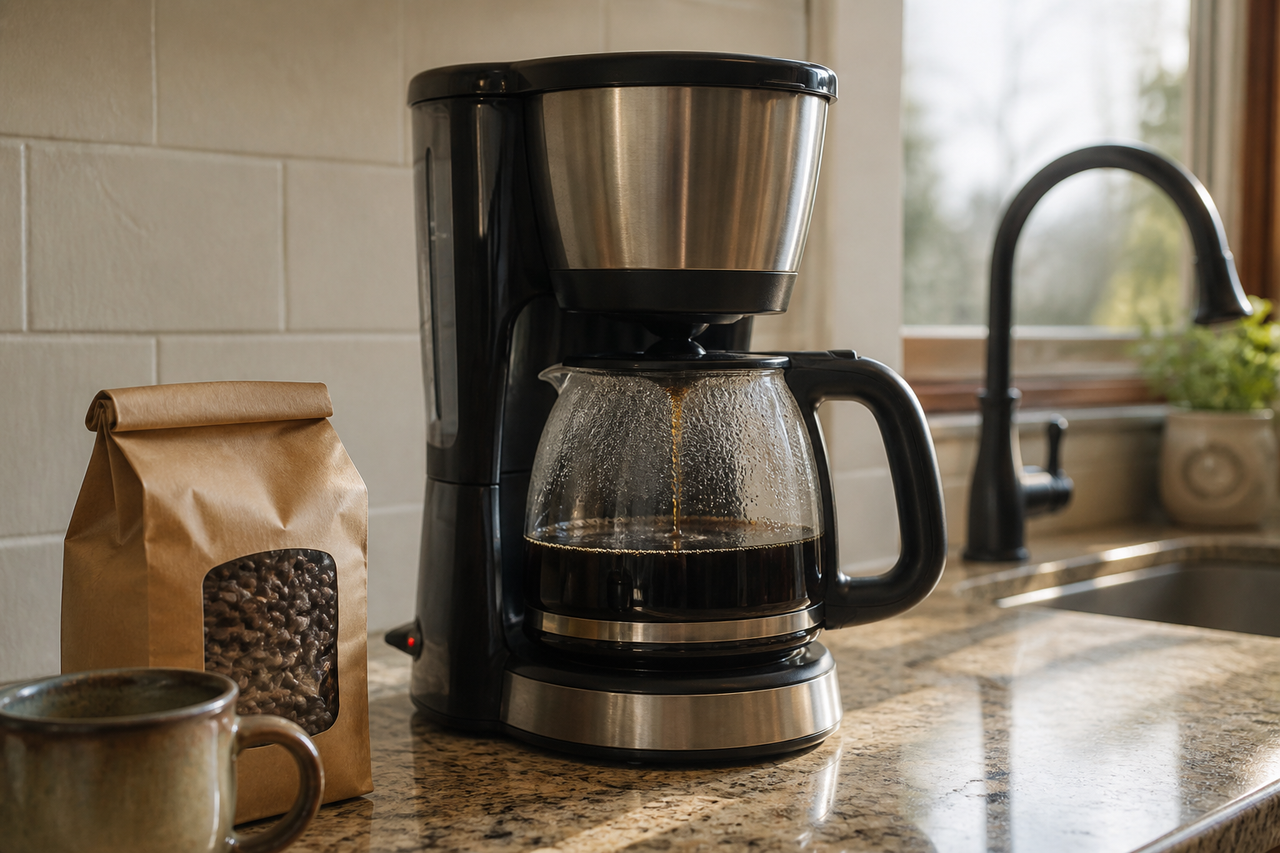
On 17 June 2025, the National Coffee Association, in collaboration with the SCA, released the Specialty Coffee Report. Among the record headlines is a circuit figure a Salvadoran producer should underline: 36% of those who drank specialty coffee the previous day chose the drip coffee maker as their method. It remains the favourite, ahead of the single-cup brewer, ready-to-drink, cold brew or the espresso machine.
Home is not the bar’s rival. It is the other circuit. The same report notes that 74% of past-day specialty drinkers had their coffee prepared at home (87% among traditional drinkers). The Spring NCDT, two months earlier, had measured the general habit: 71% of past-day coffee drinkers prepared coffee at home only, and 62% of American adults owned a drip coffee maker — versus 58% in 2020. Specialty taste and the most common appliance meet in the same jug.
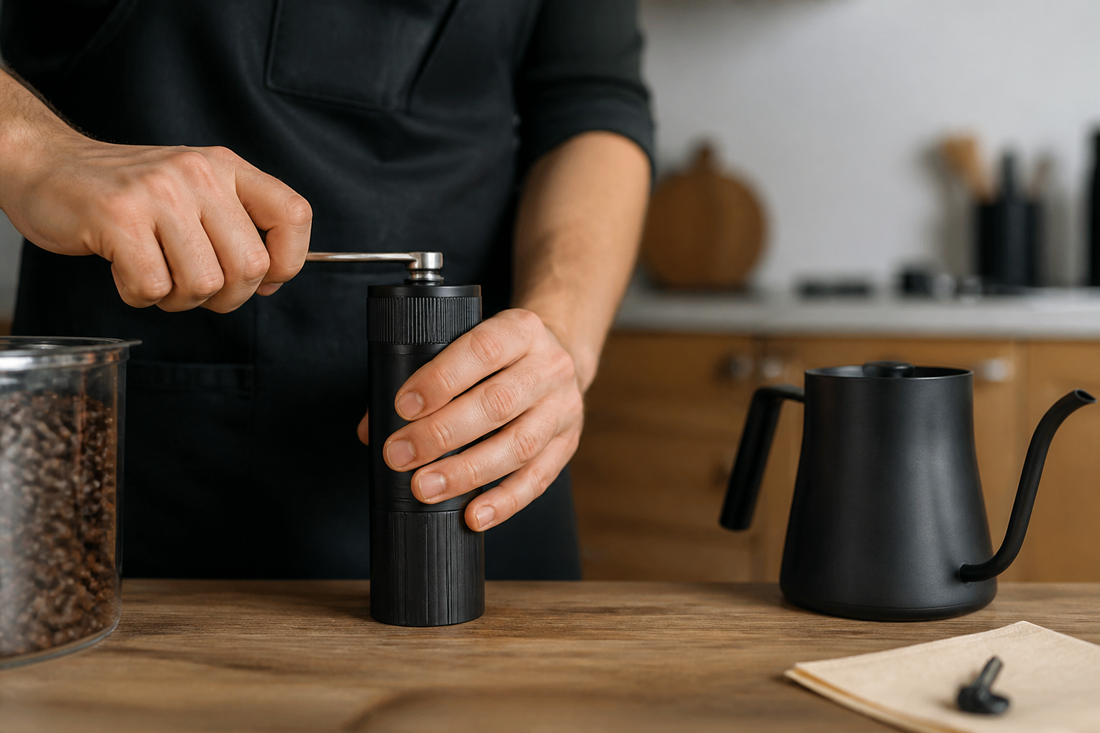
Anyone selling Salvadoran coffee into that market is speaking, many mornings, to a grinder and a bag of whole bean. Drip does not ask for spectacle. It asks for farm, altitude and a roast that does not hide origin.
Whole bean, farm, altitude: what drip asks for
Drip is an honest method: hot water through the bed, measured time, a cup that neither hides defects nor disguises them with milk. A volcanic-altitude Bourbon or Pacamara, roasted for filter, shows sweetness, clean acidity and medium body. If the bean travels whole, the drinker grinds to order and the farm survives in the cup. If it travels pre-ground months earlier, the home circuit becomes lost aroma.
That is why the label matters more in drip than in a latte. The at-home specialty drinker reads farm, municipality, denomination — Apaneca-Ilamatepec, Alotepec, Bálsamo-Quezaltepec from 800 metres under the ISC regulation — and process. The NCA includes in “specialty” traditional coffee *perceived* as premium: exactly the space where a named Salvadoran bag stops being commodity.
The roast that home chooses, according to the same Specialty Coffee Report, is mainly medium: 62% of past-day specialty drinkers enjoyed it, up 35% since 2020. That profile does not erase a shade Pacas or a washed lot from Chalatenango; it lets them speak. A roaster in Portland or Chicago offering a Salvadoran single-origin subscription is feeding the 36% who chose drip yesterday. They do not need to copy an espresso menu. They need freshness, a filter roast and a true sentence: altitude, shade, variety.
Close
The 2025 trend is not that drip “returns.” It is that it never left the specialty circuit. While cold brew and espresso grow, the filter coffee maker remains the most cited method among those who had specialty yesterday. Coffee from El Salvador — mountain arabica, ripe cherry, careful milling — is made for that jug. Anyone exporting whole bean with farm and altitude is not selling nostalgia. They are occupying the most everyday circuit of U.S. specialty: the breakfast table.