

If the ISC speaks of policy and of the cup, the National Center for Agricultural and Forestry Technology (CENTA) speaks of plant, soil and method. Created in 1993 by legislative decree, it is a scientific and technical body, autonomous and attached to MAG, based in Ciudad Arce (La Libertad) with 41 extension agencies in the country. Its mission is to provide technological solutions to farming and agribusiness, in harmony with the environment: food security, exports and rural quality of life.
Research to recommend, not to warehouse the data
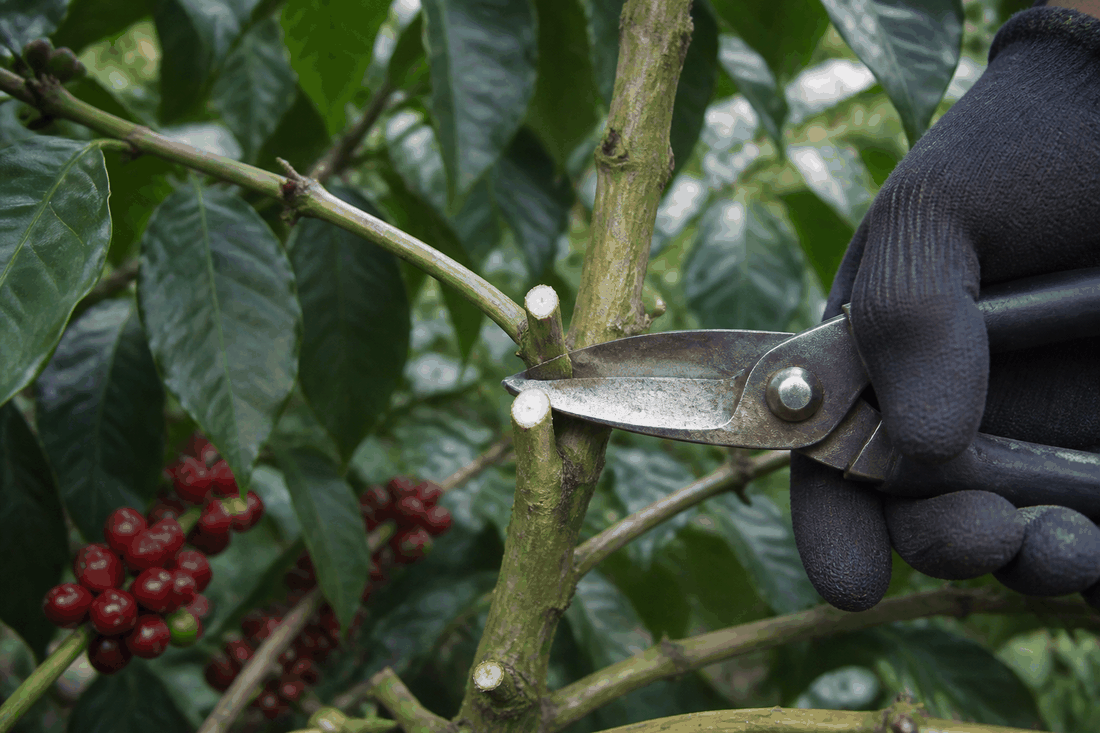
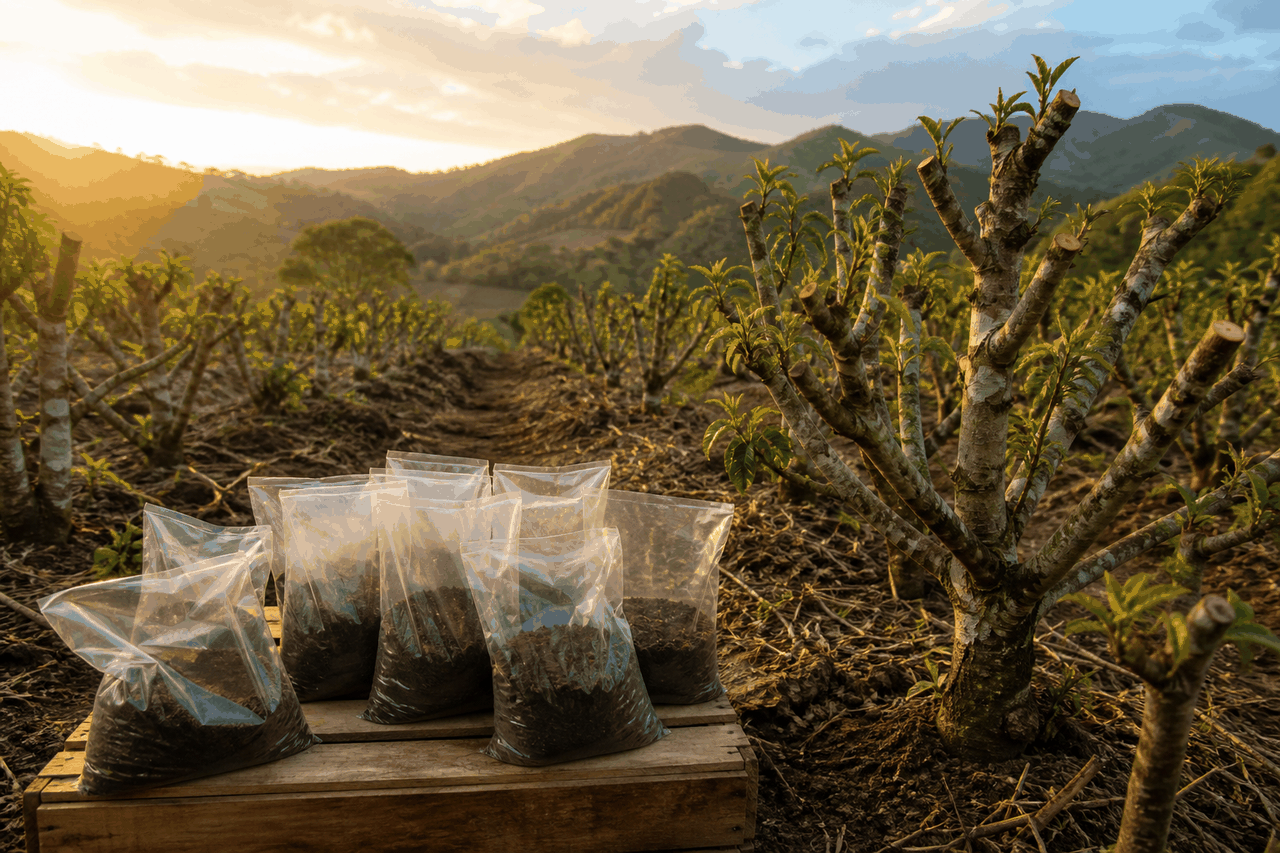
Among its functions is advising MAG on scientific-technological policy, generating and transferring technologies, disseminating results and promoting laboratories. In coffee, that translates into something the producer can apply on Monday: how to prune, how much to fertilize, which variety to combine, how to read a soil analysis. The participatory research project with Korean cooperation KoLFACI — three years, in parallel with seven other Latin American countries — works traditional and improved varieties, types of pruning and low-cost fertilization programs so that smallholders’ coffee becomes profitable again.
The plots are in Sacacoyo (La Libertad) and Izalco and Juayúa (Sonsonate). CENTA insists that the cup is not saved by shears alone: shade is needed, control of leaf rust (roya) and of the berry borer (broca), and nutrition according to the laboratory. At the close of the project, pruning guides, nutrient balance in agroforestry systems and a dozen evaluated technologies are expected. It is extension in the classic sense: science comes down to the hamlet.
A commitment to the product and to those who grow it
A 90-point Pacamara is not born from nothing. It is born of well-managed tissue, of fed soil and of a plant that was not left to age. CENTA does not award medals; it awards judgment. That judgment — generalist, public, replicable — is what allows more families, not only those of the contest, to offer a clean, sweet coffee worthy of the table.
Anyone who wants services can go to headquarters or to the agencies (usual working hours; contact at centa.gob.sv). Discovering Salvadoran coffee is also discovering this network: laboratories, nurseries of knowledge and the idea that recommending well is a way of caring for the bean and for the society that harvests it.