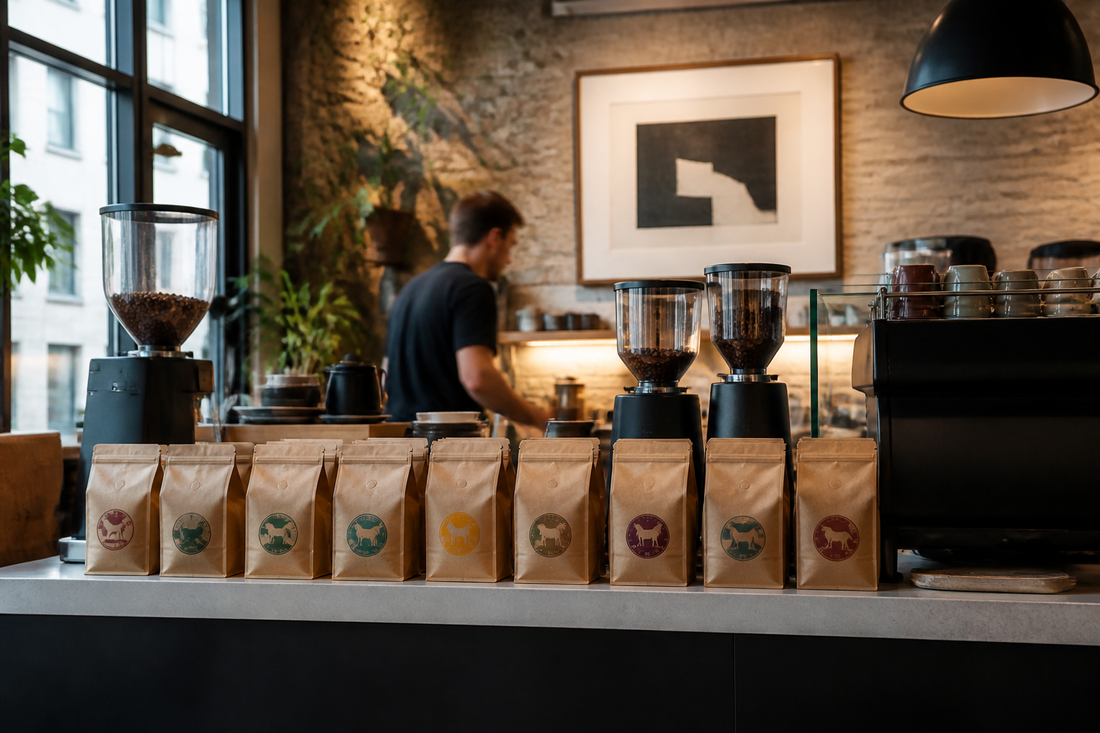


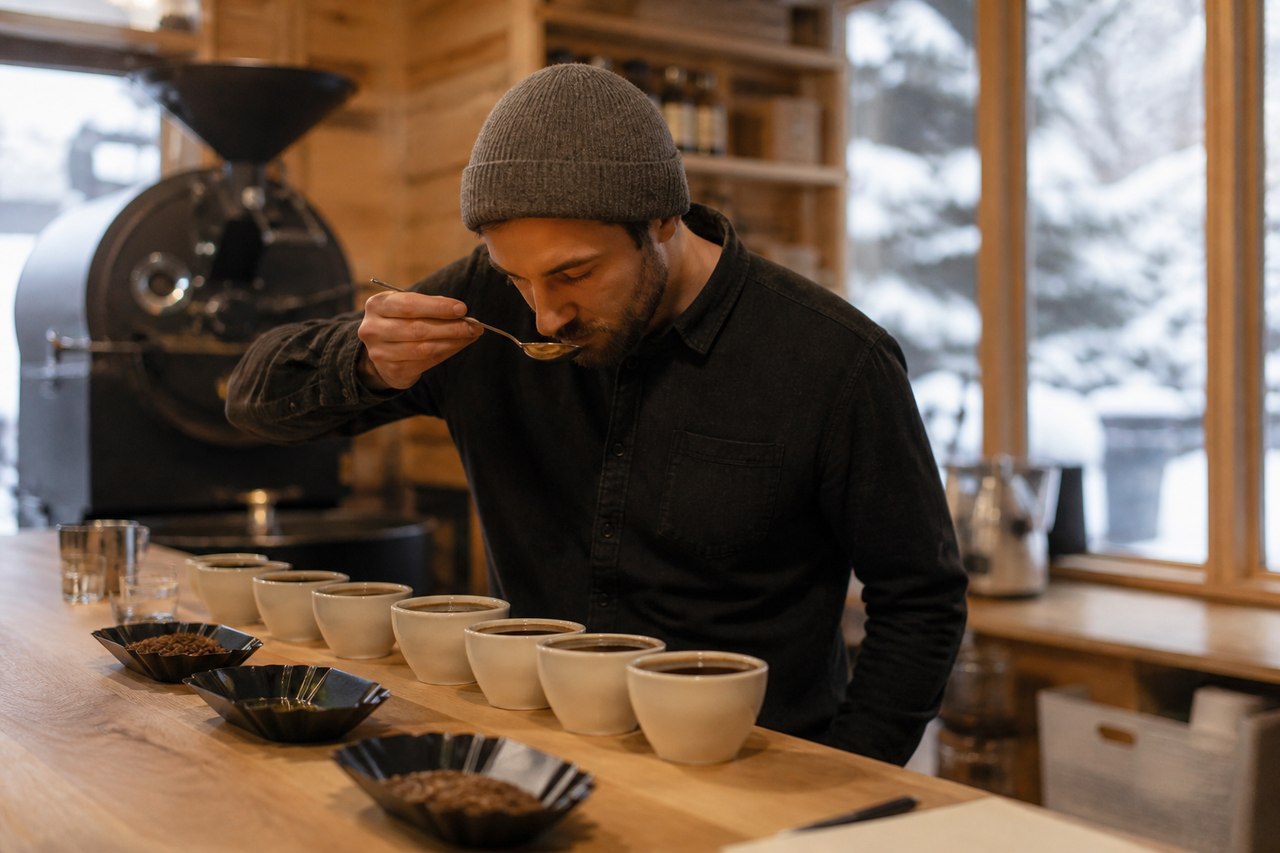
On 20 April 2026, the U.S. agricultural attaché published Coffee Annual ES2026-0004. Among the export tables is a figure the Salvadoran producer should memorize: Canada received 26,750 bags of 60-kilo green coffee in marketing year 2025/26, projected at 27,150 in 2026/27. That represents nearly 5% of 535,100 bags exported — the third individual destination after the United States (~50%) and Belgium (~11%).
This is not a marginal market. Toronto, Vancouver, Montreal and Calgary concentrate specialty roasters, third-wave chains and institutional buyers seeking traceable origin. Canada shares a border, partial language and logistics channels with the United States, but maintains its own preferences: greater sensitivity to certifications, growing interest in microlots and a manual-filter scene that values the bright acidity of high-altitude arabica.
Why Canada matters for El Salvador
The United States absorbs nearly half of Salvadoran coffee. Depending on a single buyer is commercial and narrative risk. Canada diversifies the North American map without requiring continental volumes: 26,750 bags represent a steady flow that sustains annual contracts, origin visits and presence at trade fairs such as the Specialty Coffee Expo, where the Salvadoran Coffee Institute promotes lots from Apaneca-Ilamatepec, Tecapa-Chinameca and other denominations.
For the Canadian roaster, El Salvador offers concrete advantages: Bourbon, Pacas, Pacamara and Gesha in identifiable lots; premiums of 100 to 300 dollars per quintal over the C Contract for gourmet coffees, according to the same USDA report; six denominations of origin recognized by the ISC. Volcanic sweetness and cup cleanliness suit palates that prefer clarity in V60 and moderate body in specialty espresso.
A didactic reading of the figure
A 60-kilo bag is not only weight: it is the unit USDA, the Central Reserve Bank and exporters use among themselves. 26,750 bags mean thousands of partial containers, spot contracts and trade relationships renewed crop after crop. Canada does not pay the 122 dollars per pound of a CoE auction on every shipment, but it does buy verifiable quality green coffee that feeds bars where origin is explained in English and French.
Anyone exporting from Santa Ana or Ahuachapán should include Canada in the commercial strategy not as a copy of the United States, but as an autonomous market with its own demands. Salvadoran coffee already crosses the northern border with serious volume. The next task is for that volume to carry variety, region and process on the label — not generic “El Salvador” alone.