

On 2 July 2026, when the Cup of Excellence auction closed with Middle Eastern buyers in the front row, Saudi Arabia was no longer a novelty in the origin’s statistics: it was a market with history. The USDA Coffee Annual ES2026-0004 puts exports to the kingdom at 14,980 bags of 60 kilos for 2025/26, projected at 15,204 in 2026/27. One year earlier, in 2024/25, the figure had reached 23,120 bags — one of the most dynamic destinations outside the United States–Belgium axis.
The difference between volume and specialty explains the map. Saudi Arabia buys green coffee for local roasters, hospitality chains and a café scene growing quickly. But it also pays competition prices for traceable lots. In July 2026, L.TONE — a roastery in Hail — and Truth Roastery acquired halves of La Esperanza’s Bernardina honey at 41.20 and 41.00 dollars per pound. It was not the first Arab gesture in Salvadoran competition microlots.
From Dubai to Hail: a decade of trust
In 2020, during the Cup of Excellence auction, Al Qahwa Al Arabiah — a company based in the United Arab Emirates — bought lot 1B of the natural anaerobic Pacamara from Finca Divina Providencia at 60.10 dollars per pound, according to Global Coffee Report. The lot had scored 90.31 points. That Emirati buyer opened a reading confirmed today: elite Salvadoran coffee no longer travels only to Tokyo or New York.
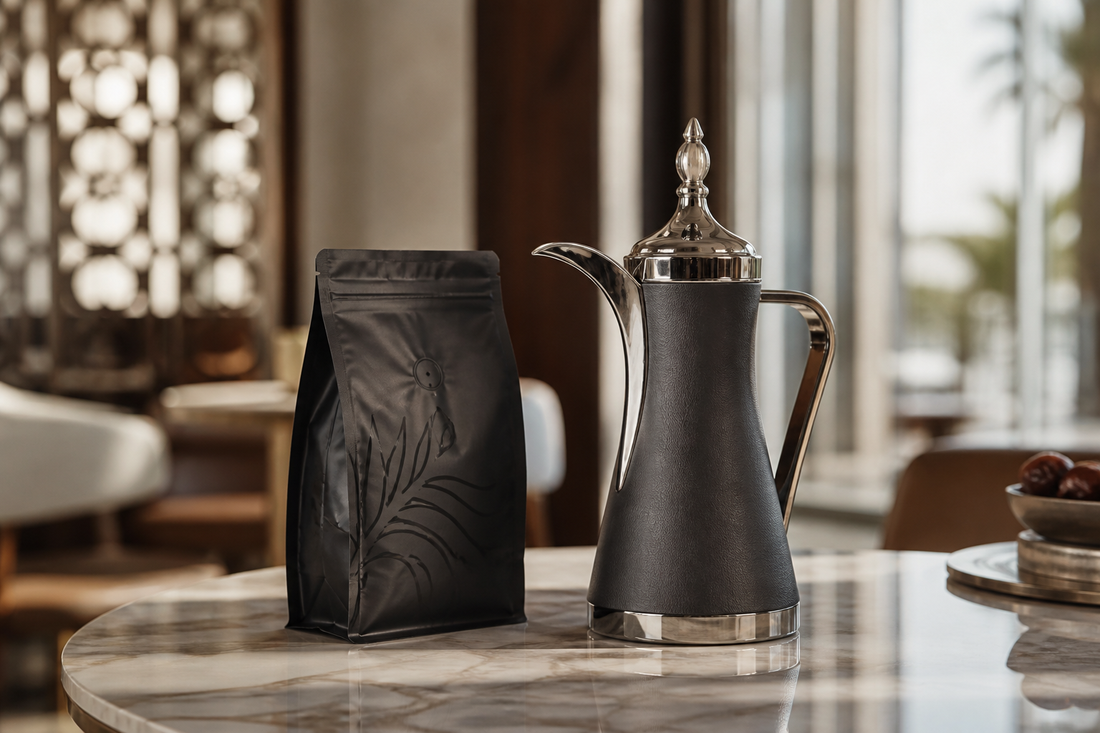
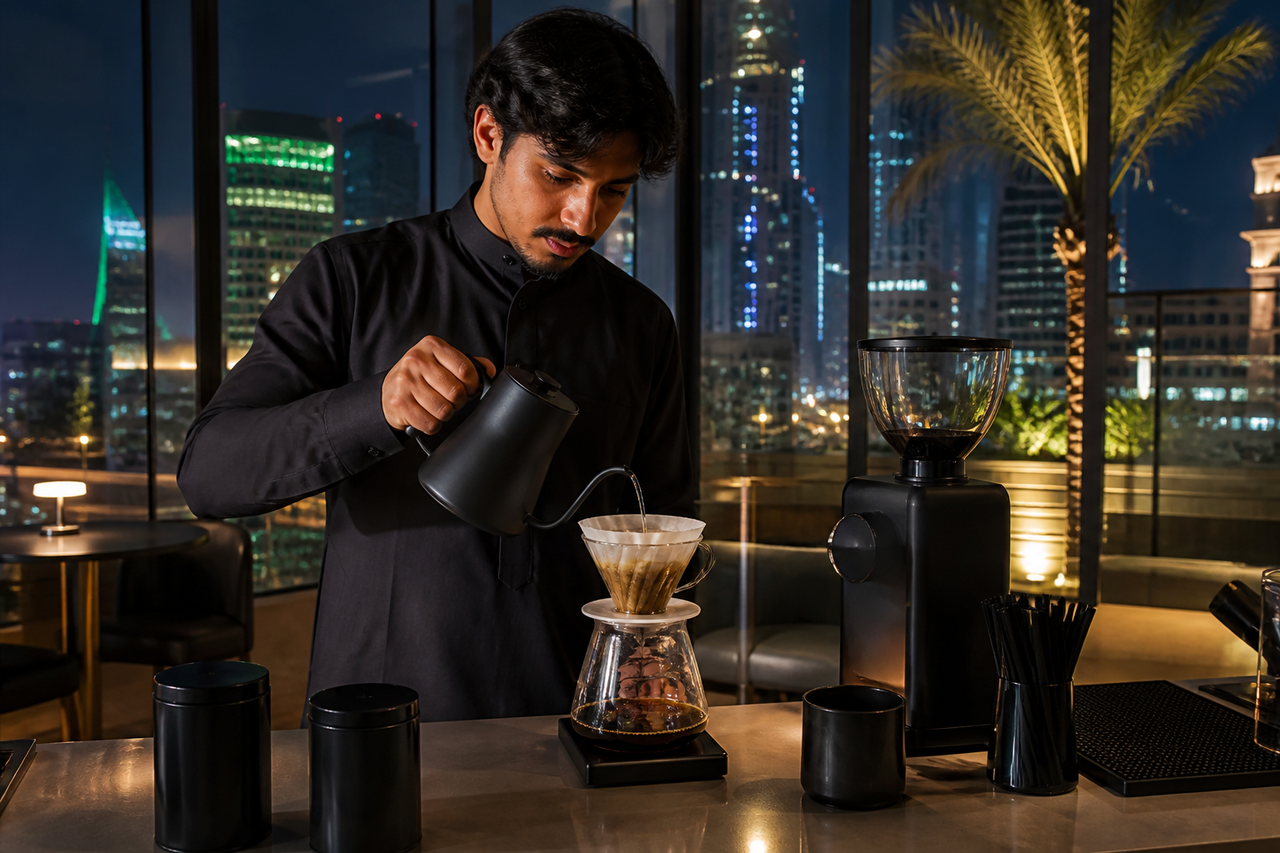
Specialty coffee culture on the Arabian Peninsula combines tradition — qahwa, spices, hospitality — with modern bars that ask for origin, variety and process. For the producer in Apaneca-Ilamatepec or Chalatenango, Saudi Arabia offers two doors: verifiable volume contracts and auction windows where a Gesha or a Bernardina sells with a farm’s name.
What exporters and roasters should understand
First: Saudi Arabia does not compete with the United States in tonnage, but it does in premium buyer attention. Second: the traceability Cup of Excellence demands — five blind cuppings, identified lots — matches what the modern Arab importer seeks to differentiate. Third: the volcanic sweetness and clean acidity of Salvadoran arabica suit palates that value clarity in filter and sweetness in espresso.
Anyone discovering El Salvador through the Middle East route will find a market under construction: USDA statistics speaking of tens of thousands of bags and auctions speaking of more than 40 dollars a pound. Both readings are true. Saudi Arabia imports mountain coffee and, increasingly, pays for the mountain by its own name.