

The USDA Coffee Annual 2022 report (ES2022-0004), published on 20 April 2022, placed Germany among the most solid destinations for Salvadoran coffee: around 10% of bags exported in marketing year 2021/22, equivalent to about 62,990 bags of 60 kilos. Four years later, report ES2026-0004 confirms similar figures: Germany remains in the club of major European buyers, alongside Belgium, Italy and the United Kingdom.
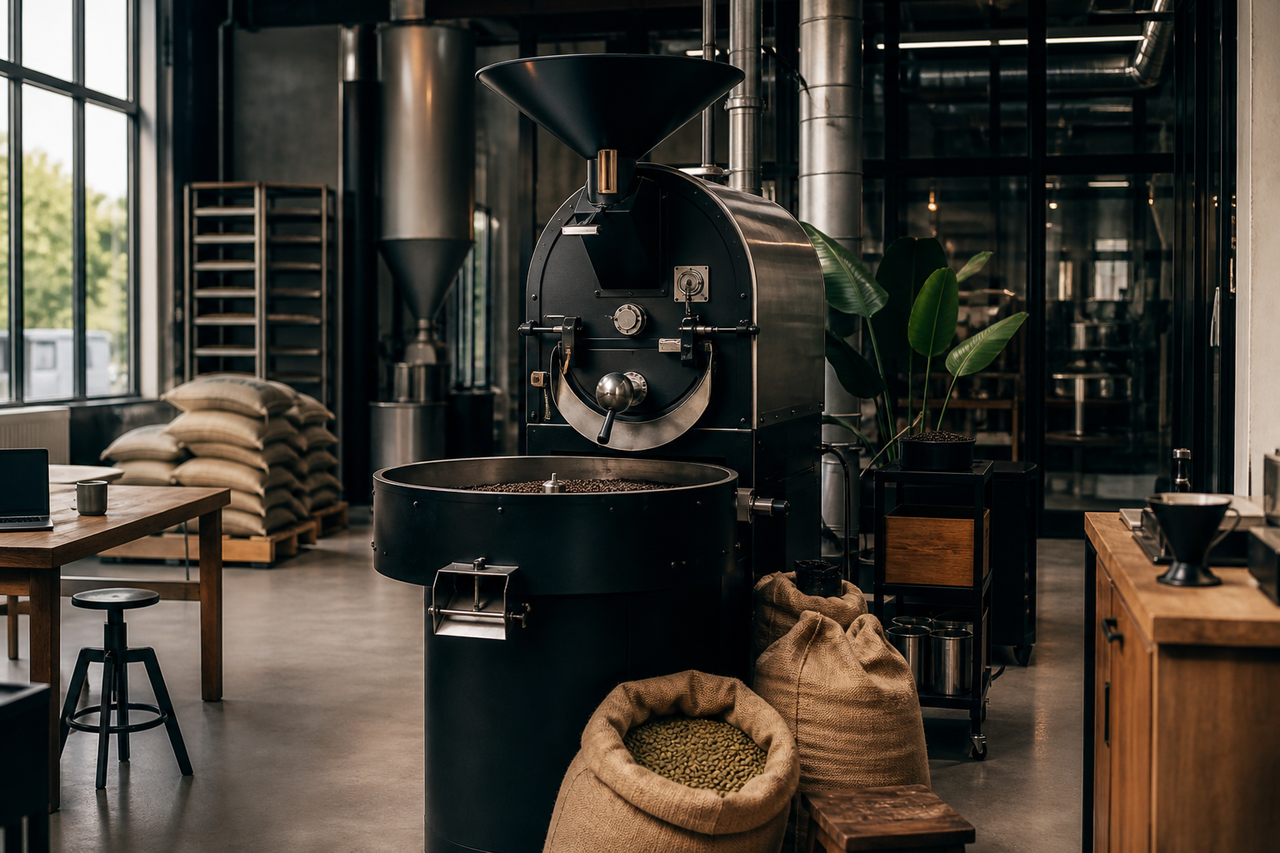
Commercial geography explains part of the link. Hamburg is traditionally one of Europe’s most important coffee ports; containers land there to supply industrial and specialty roasters across the country. But Germany does not buy for logistics alone. It buys because the Salvadoran cup profile fits a German tradition that values sensory clarity: clean sweetness, bright but not aggressive acidity, medium body and notes of ripe fruit or chocolate in high-altitude Bourbons and Pacas.
Traceability: the demand that separates commodity from specialty
German roasters — from established chains to microlot roasters in Berlin, Munich or Cologne — increasingly require documented traceability: farm, variety, altitude, process, harvest date, phytosanitary certificates and, since 2024, alignment with European rules such as the EUDR. A bag without a story loses value; an Apaneca-Ilamatepec lot with a verified chain can be negotiated above the C Contract.
For the Salvadoran coffee farmer, that means work at origin: separating lots at the mill, drying with controlled moisture, recording plots. For the buyer, it means trust: they know what they are roasting and can tell it on the label. The USDA does not measure cup scores, but it confirms that Germany pays sustained volume because the origin’s average quality meets expectations.
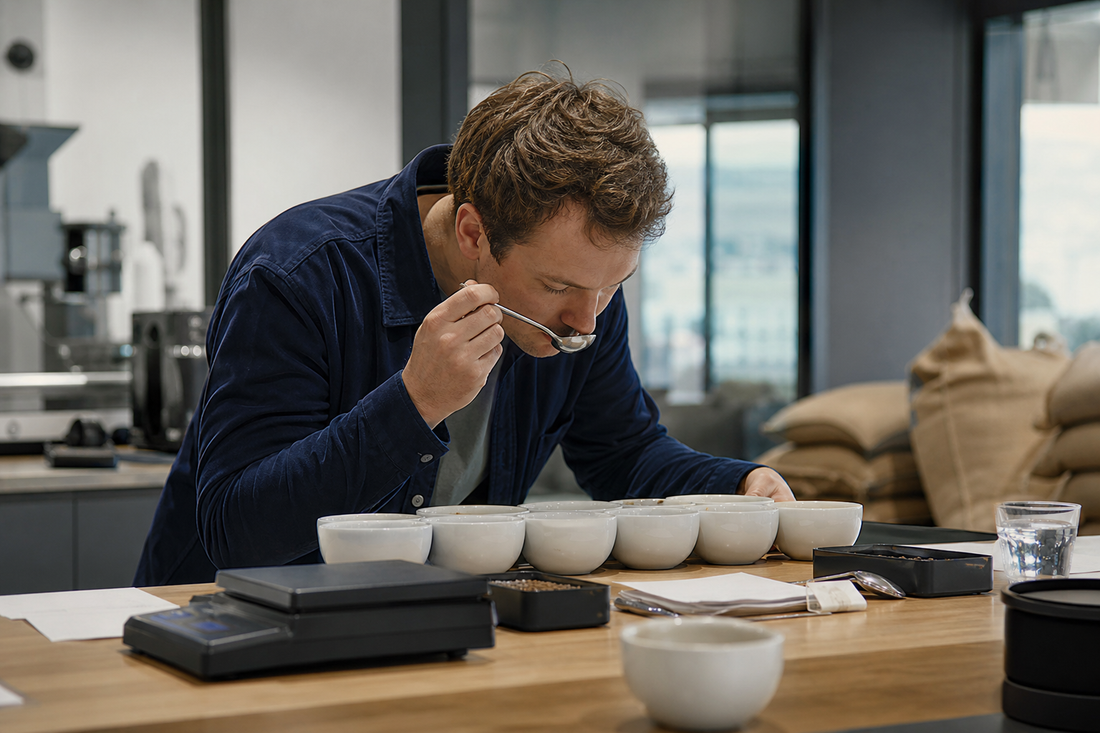
What those who cup in German should know
The German specialty consumer knows Central American origins well, but El Salvador occupies a distinct niche: small origin, active volcanoes, emblematic varieties such as Pacamara and, increasingly, Geisha in competitions. A Salvadoran coffee on the menu does not compete with a heavy-bodied Brazilian natural; it competes as an elegant, sweet cup with citrus or stone-fruit acidity.
If you are a roaster in Hamburg or an importer in Bremen, the USDA lesson is clear: 10% is not residual. It is a market that renews contracts when the cup is consistent. If you are a reader, understand that every German cup of Salvadoran origin carries behind it a port, a farm on the Bálsamo or Ilamatepec range, and a chain that Germany increasingly demands be transparent. Discovering this origin from Germany means finding a demanding buyer — and a loyal one when quality holds.