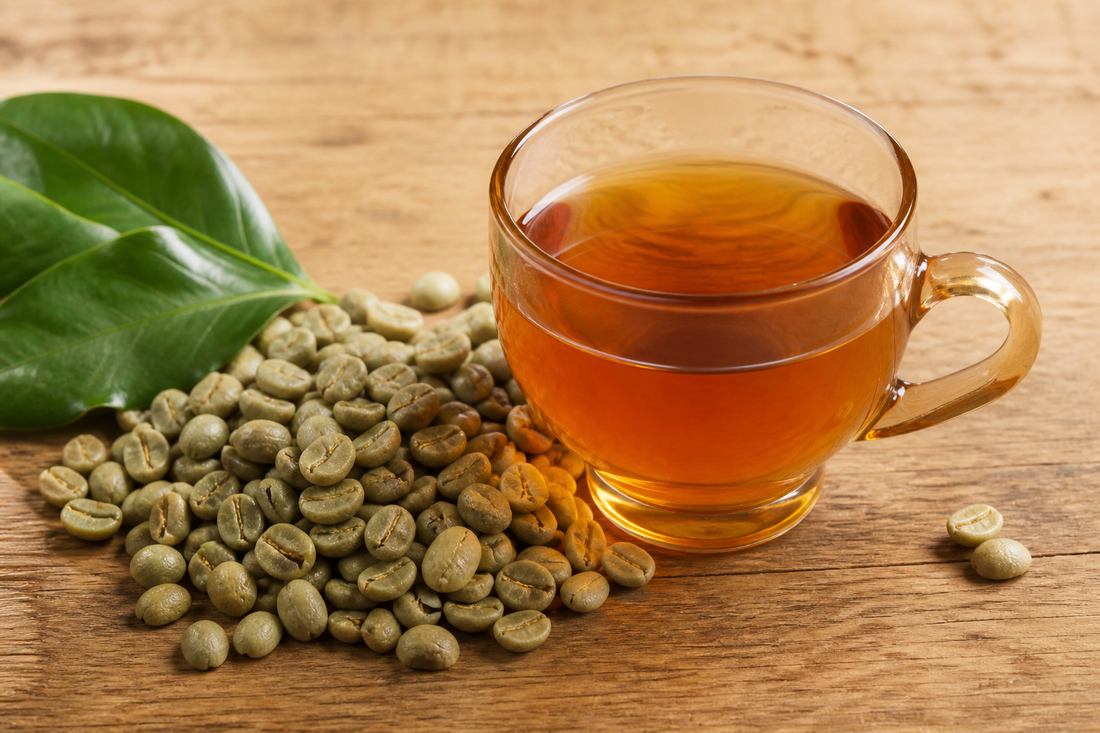


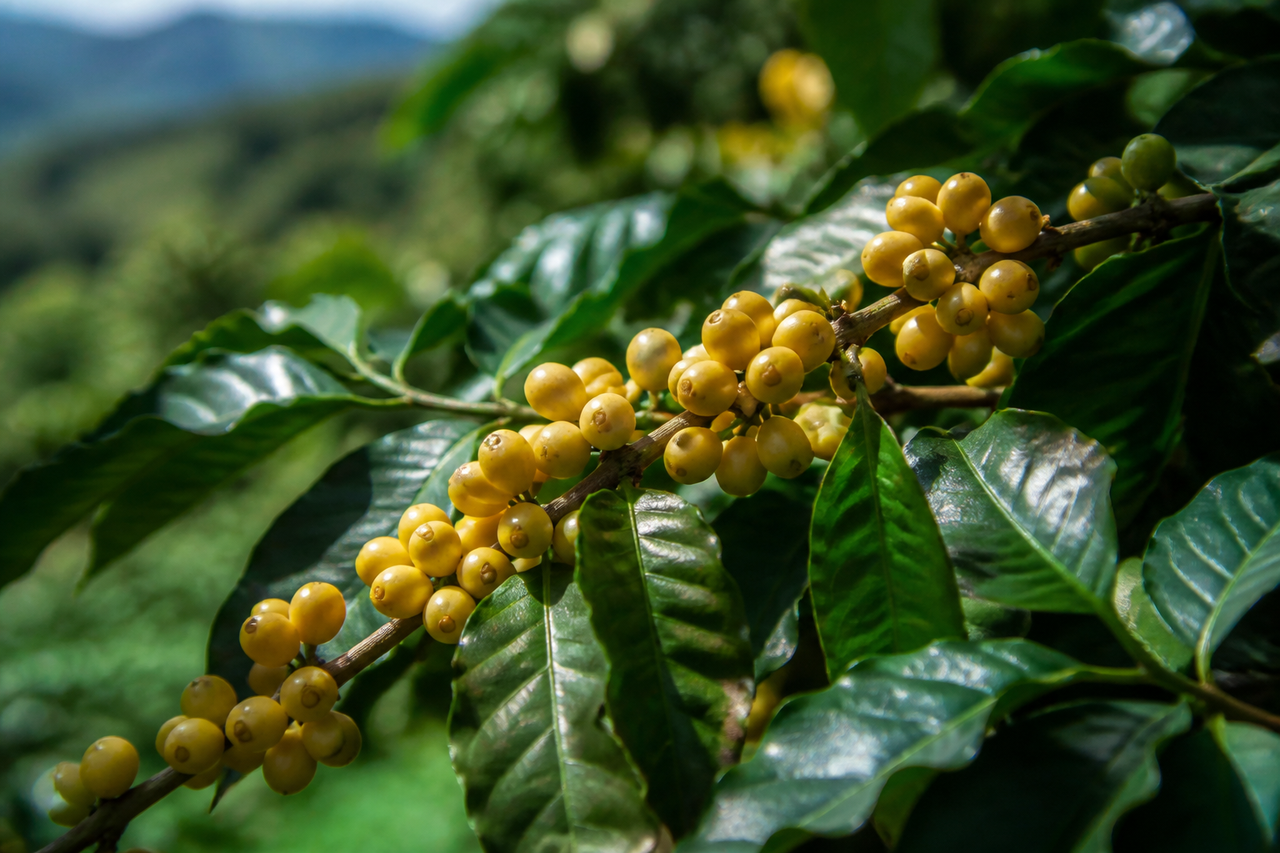
If one names a coffee compound without sliding into lab jargon, it is fair to start with chlorogenic acids (CGA). They are not an additive or a pharmacy extract: they are the most abundant polyphenol family in the bean. They contribute some of the green arabica’s vegetal bitterness and change with roast heat. Anyone cupping a light highland Bourbon is not “drinking antioxidants” as a slogan; they are drinking a roasted fruit that still holds a good share of that chemical family.
In Cambridge’s *Nutrition Research Reviews*, a team systematically reviewed the link between CGA from coffee — not isolated pills — and cognitive performance. They gathered twenty-three papers; six were randomised controlled trials. The meta-analysis of those trials showed no clear benefit for cognition in the short window laboratories usually measure (the pooled effect sat around zero). The broader reading of the review suggests another lead: coffee CGA may need to be consumed over a sustained period before any effect shows. The authors flag small samples, very different cognitive tests across studies, and the need for better trials. There is no miracle in a single cup.
Roast, cherry and what the origin does control
Oven chemistry is easier to explain than a clinical trial. The darker the roast, the more CGA break down. A light or medium-light profile leaves more of that family in the bean; a very dark roast reduces it and, along the way, covers the landscape. That is why specialty coffee — and World Barista Championship stages when they want to show origin — lean toward roasts that do not carbonise the seed. El Salvador fits there naturally: mountain Pacamara, Bourbon and Gesha are grown for sweetness and clean acidity. A roast that respects that acidity also, as a side effect, respects more CGA.
On the farm, what the producer does control is not a laboratory milligram, but the cup. Ripe cherry, hand-picked, shade that slows the sun, and a mill that does not leave dirty ferments: that is the Salvadoran specialty recipe. A clean cup does not guarantee a cognitive effect; it guarantees that one can drink it every day without hiding defects under an aggressive roast. If the science points to a chronic habit more than an acute hit, the small origin that lives on repeatable quality makes sense: people return to the same farm, not to a miracle shot.
The cup as food, not as a concentrate
Anyone discovering Café de El Salvador need not memorise the acronym CGA. They need to understand that the highland bean is a complex fruit, that roast is a conversation with that fruit, and that the science of cognition is, for now, cautious. The classic washed Bourbon from the ranges, a Pacamara honey, a competition Gesha: three ways to drink polyphenols that taste of panela, flower or fruit, not of a supplement capsule.
Didactic honesty closes the circle. Chlorogenic acids are real and abundant. The trial meta-analysis does not support an immediate mental push. Intake over weeks or months remains an open hypothesis. In the meantime, shade-grown Salvadoran coffee with ripe cherry offers what can actually be tasted: sweetness, bright acidity, cleanliness. That is reason enough to choose the origin — and to roast it with respect.