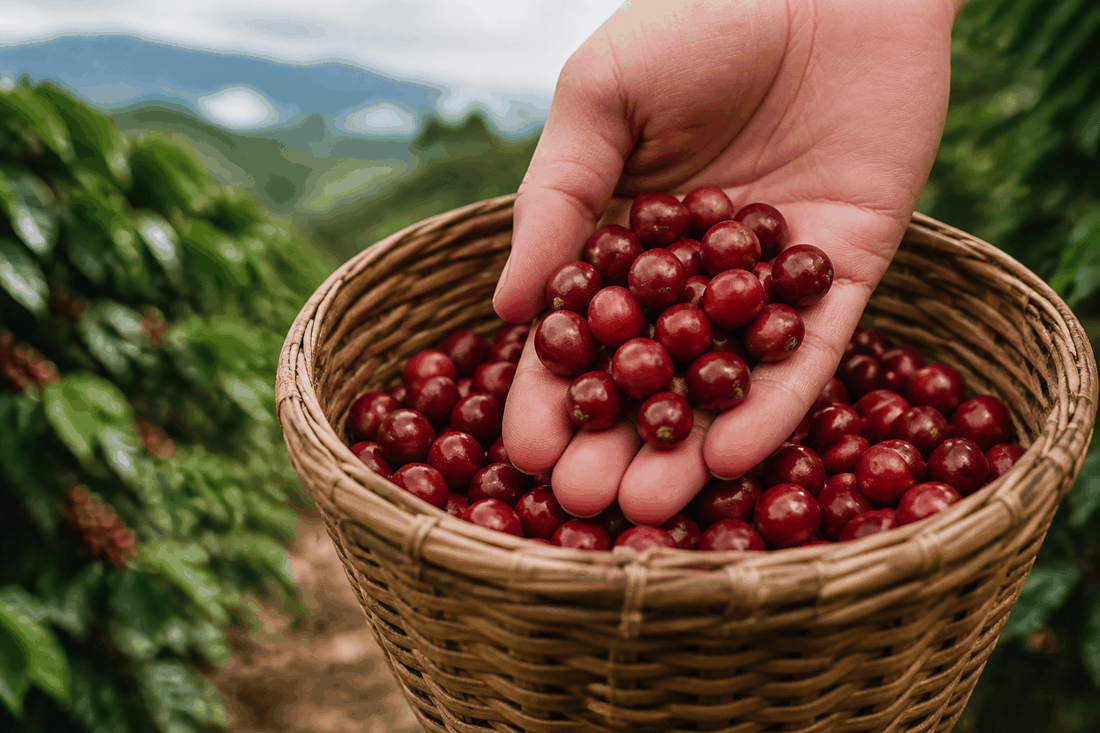


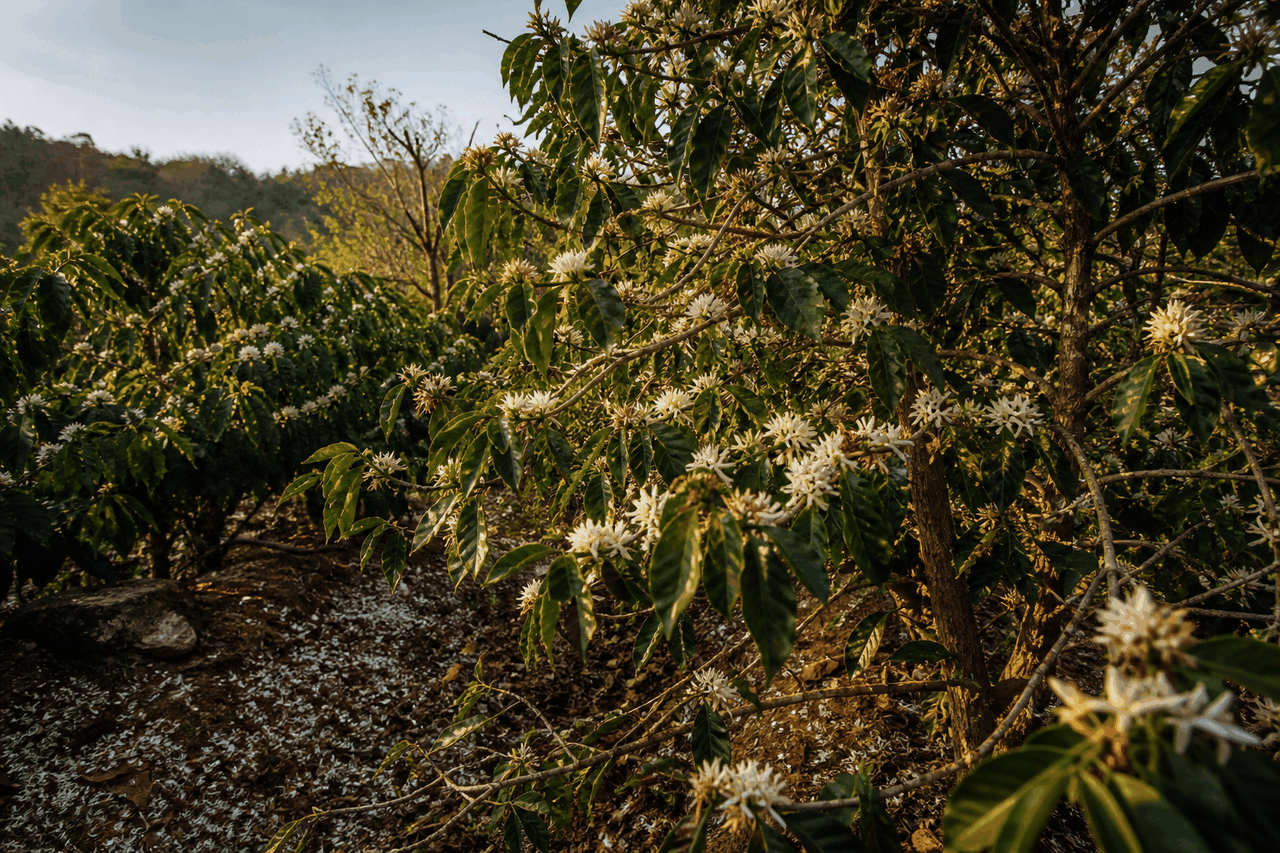
In early 2025, the Salvadoran Coffee Growers Association (Acafesal) warned that the 2024-2025 harvest could fall between 30 and 35% compared with the previous cycle. The association president, Sergio Ticas, described a cruel sequence: early rains in March 2024 that triggered the blossom, then heat above 40 °C that burned it, and a rainy season that stretched into December. On his own farm he spoke of losses close to 50%; others, of up to 80%.
The ISC had already seen the contraction: between October and December 2024 reported production fell 19.2%. Abecafé, with data through late January, spoke of 4% less at that point in the cycle. The figures disagree in magnitude, not in direction. It was a short year.
The didactic turn: why this does not put out the origin
Prestigious Salvadoran coffee was never sold as a sea of quintals. It was sold as a mountain cup. In a year of shortage, producers who live from microlots double down on selection: only what is at peak ripeness enters the parchment. The buyer who understands that does not flee; they ask for samples earlier and reserve what is good.
There is a figure of agronomic consolation. The 2023-2024 cycle had closed near 893,000 oro-uva quintals, a slight rise over 2022-2023. The coffee park is still standing. What is missing, and the association repeats it, is massive plant renovation and a policy that keeps pace with a climate that is no longer that of the grandparents.
What someone who loves this coffee can expect
Expect fewer bags and more conversation about the lot. Expect prices that defend hillside work. Expect, too, that Pacamara and Bourbon — precisely the ones that “burst” with rain — remain, when they are saved, the most exciting coffees on the cupping table. El Salvador in a difficult year does not cease to be an origin of discovery. If anything, it becomes more precious.