Words from this site and from Salvadoran coffee, said plainly. For roasters, farm visitors, and anyone who just wants to understand the cup.

100 terms · grouped by letter · tap a letter to open or close it

A 10 terms
Acidity

Acidity

Also: Brightness

It does not mean the coffee is sour or spoiled. In cupping, acidity is the lively sparkle on the palate — often citrus or fruit — that makes the sip interesting. In El Salvador it is prized in high-grown lots. Too little and the cup is flat; too much, poorly handled, and it stings.

Aftertaste

Aftertaste

Also: Finish

What stays in the mouth after the coffee is swallowed: cacao, panela, flower, or a bitterness that will not leave. On the SCA form it is its own box. A good Salvadoran microlot usually finishes sweet and long; if the end is short or dirty, the lot does not reach 87. Aftertaste is often what the roaster remembers when they close the bag.

Agroforestry

Agroforestry

Also: Shade-grown coffee

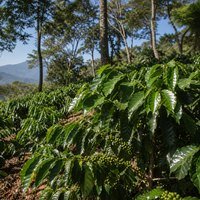
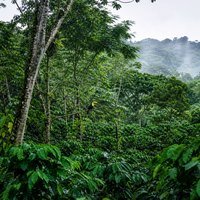
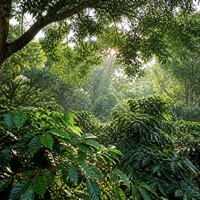
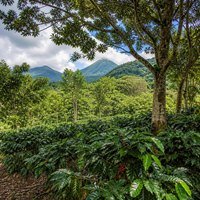
Growing coffee under trees, not in full sun. The canopy shades the crop, holds soil and water, and shelters birds. Much of El Salvador’s coffee still follows this model: cherries ripen more slowly and often taste better, at the cost of fewer kilos per manzana.

Alotepec-Metapán

Alotepec-Metapán

Also: Denomination of origin Café Alotepec

A coffee region in the northwest, toward the Guatemala and Honduras borders. It is one of El Salvador’s six denominations of origin. At Cup of Excellence 2026 several honey Pacamaras from this zone (Reyes, Los Cipreces, Santa Rosa) finished near the top.

Altitude

Altitude

Also: masl

Metres above sea level where the coffee tree grows. Higher up, nights are cooler and ripening is slower: the seed concentrates sugars and aromas. Quality Salvadoran coffee usually sits between 800 and 1,800 masl; denominations of origin set a floor (900 m in Apaneca-Ilamatepec, for example).

Anaerobic

Anaerobic

Also: Anaerobic fermentation

Fermenting coffee in sealed tanks, without oxygen. The producer controls time, temperature and sometimes the must. The cup can be highly aromatic (tropical fruit, spice) or, if overdone, faulty. In 2026 an anaerobic Geisha from Finca San Andrés set the CoE auction high: USD 55.20/lb.

Apaneca-Ilamatepec

Apaneca-Ilamatepec

Also: Apaneca range; Santa Ana volcano

El Salvador’s leading coffee region: about 53% of the national crop. Volcanic slopes in Ahuachapán, Sonsonate and Santa Ana, from 900 masl up. Many Geisha and Pacamara lots come from here, as did the Bernardina that won Cup of Excellence 2026 (Finca La Esperanza).

Arabica

Arabica

Also: Coffea arabica

The coffee species drunk for flavour, not brute caffeine. El Salvador’s entire crop is arabica: no robusta is grown. It ripens at altitude, is more fragile in the field and more complex in the cup (sweetness, acidity, aroma). Robusta is hardier and more bitter; it is not part of this harvest.

Astringency

Astringency

Also: Dryness; tannin

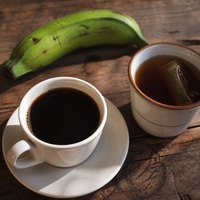
The dryness coffee leaves on tongue and gums, like over-steeped tea or an unripe banana. It is not acidity: acidity sparkles; astringency grips. It usually comes from underripe cherry, an underdeveloped roast or skin tannins. Specialty wants a clean cup: if it astringes, the lot loses points.

Auction

Auction

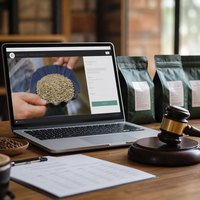
Sale to the highest bidder, almost always online, of lots already cupped. At Cup of Excellence roasters bid in dollars per pound. On 2 July 2026 the high was USD 55.20/lb (San Andrés); La Esperanza’s winner closed near USD 41/lb. It is the shop window, not the everyday market of the average producer.

B 9 terms
Bag

Bag

Also: 60 kg bag

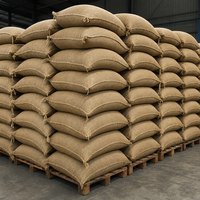
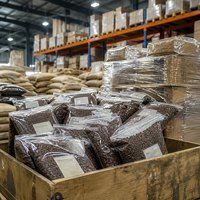
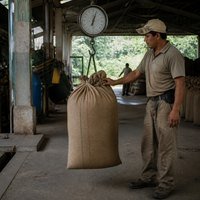
The world unit of coffee statistics: 60 kilograms of green bean. When USDA says El Salvador produces 586,000 bags, it means this bag, not the local quintal. An export container holds hundreds of them. At CoE, by contrast, a lot is sometimes sold in 30 kg boxes.

Balance

Balance

Also: Equilibrium

Acidity, sweetness and body holding each other up, none drowning the rest. A balanced coffee is not boring: it is readable. On the SCA form, balance is its own box. A very floral Geisha can tip if sweetness is missing; a chocolate Bourbon, if it has no sparkle. Buyers of El Salvador often want that proportion, not a single fruit punch.

Barista

Barista

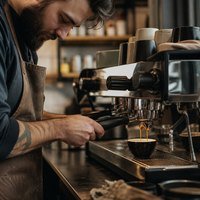
The person who makes coffee at the bar: espresso, filter, milk. Not just a waiter: they grind, dose, extract and serve. In specialty coffee the barista is the last link between farm and cup. Salvadoran cafés such as Alquimia have reached world bar competitions.

Bernardina

Bernardina

A rare variety found in 2008 at Finca La Esperanza, in Apaneca-Ilamatepec. It was not planted on purpose: it appeared among the Pacas family’s trees. In 2026 it won El Salvador’s Cup of Excellence at 91.95 points (honey process). Proof that a small origin can still produce something unique.

Biennial bearing

Biennial bearing

Also: Alternate bearing

The coffee tree crops heavily one year and lightly the next. It is not the producer’s whim: it is physiology. That is why a “high” Salvadoran harvest cannot be copied the next year on the same patio. Anyone buying microlots must allow for that swing; anyone replanting looks, among other things, for slightly more stable lines.

Blend

Blend

Also: Mixture

A mix of several origins, farms or varieties in one bag or in the roast. In commodity coffee it is the rule; in specialty the buyer usually wants a single origin. A good blend seeks a steady flavour, not a plot’s story. El Salvador sometimes enters as the sweet note in a blend, not as the only name on the bag.

Body

Body

The sense of weight or texture in the mouth: light like tea, or dense like syrup. It is not bitterness. Honey and natural processes often give more body; a high-grown washed lot, less weight and more clarity. Well-made Pacamara is often called velvety.

Bourbon

Bourbon

A classic arabica variety, the backbone of much Salvadoran coffee (around 60% of the trees, by some estimates). The cup is sweet and balanced — panela or chocolate. It is not “the rarest”: it is the foundation. A Bourbon mutation became Pacas; Pacas × Maragogipe became Pacamara.

Bálsamo-Quezaltepec

Bálsamo-Quezaltepec

Also: El Bálsamo; San Salvador volcano

A denomination of origin in the west-centre (La Libertad, San Salvador and part of Sonsonate), from about 800 masl. The name joins the Bálsamo range and Quezaltepec volcano. Competition lots from this zone often sit beside Bourbon and traditional blends.

C 14 terms
C market

C market

Also: Contract C; C-price

The international arabica price on the New York exchange. It is the reference for commodity coffee sold in bulk. Specialty coffee is paid above that price: the gap is the premium. Without the C, the phrase “USD 100 to 300 extra per quintal” makes no sense.

Cacahuatique

Cacahuatique

A denomination of origin in eastern El Salvador, in the Cacahuatique range (Morazán and nearby). One of the six official DOs. Less famous than Apaneca, but it grows high-grown coffees and hosts a regional quality lab of the Salvadoran Coffee Institute.

Caffeine

Caffeine

The alkaloid that wakes you up. Arabica has less than robusta: that is why a high-grown Salvadoran cup does not “hit” like a cheap instant. Caffeine is also the plant’s defence against insects. It is not scored in cupping; in the body, you feel it. If you want less caffeine you do not change origin: you change species or brew.

Chichontepec

Chichontepec

Also: San Vicente volcano

The sixth denomination of origin for Salvadoran coffee, on the Chichontepec volcano range (San Vicente and La Paz), from about 800 masl. It is the least cited DO in international contests, but it is registered with the National Registry like the other five.

Coffee berry borer

Coffee berry borer

Also: Broca; Hypothenemus hampei

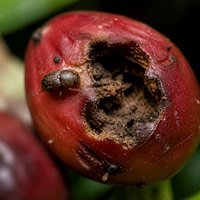
A tiny beetle that drills into the cherry and eats the seed from inside. One of the farm’s most damaging pests. Traps, harvest hygiene (no fruit left on the ground) and biological control are the usual tools. A bored lot loses weight, quality and price.

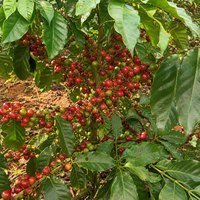
Coffee cherry

Coffee cherry

Also: Fruit of the coffee tree

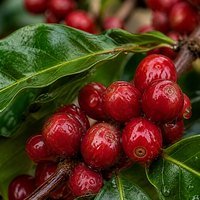
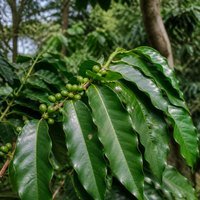
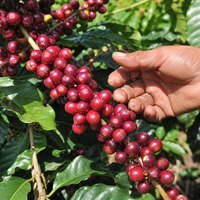
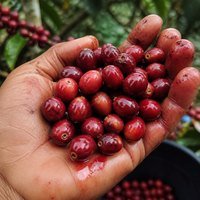
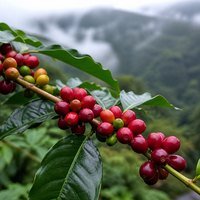
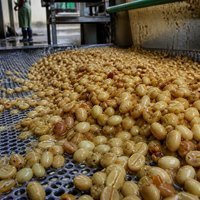
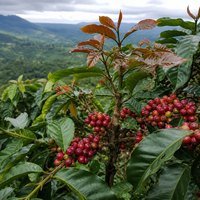
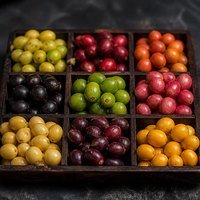
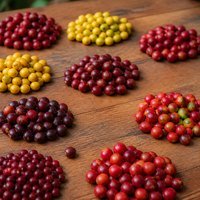
The fruit of the coffee tree. Outside it looks like a small cherry, red or yellow when ripe. Inside, almost always, two seeds: the beans. Picking only the ripe ones (selective harvest) is the first quality filter. Mix green, half-ripe and overripe and the cup turns dirty.

Coffee grove

Coffee grove

Also: Coffee forest; cafetal

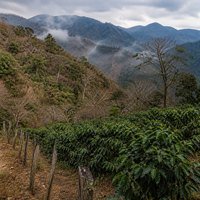
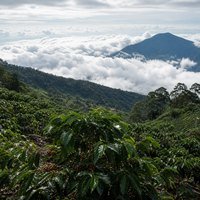
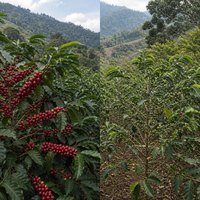
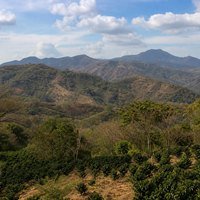
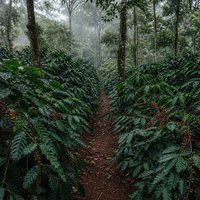
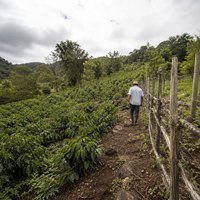
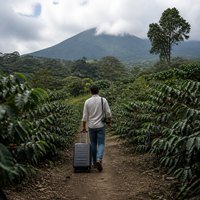
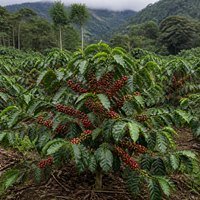
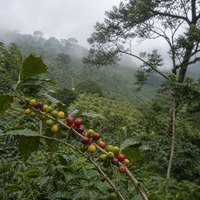
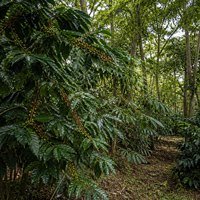
The coffee planting, almost always under shade in El Salvador. Not a bare maize field: a system of trees, paths and coffee plants. It holds water, steadies slopes and provides seasonal work. When it is abandoned, that forest is lost too.

Coffee leaf rust

Coffee leaf rust

Also: Roya; Hemileia vastatrix

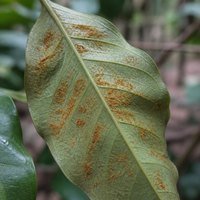
A fungus that paints the underside of the leaf orange and ends up stripping the tree. The 2012–2013 epidemic crushed Central American output. It is fought with more tolerant varieties (Cuscatleco, Marsellesa, Sarchimor), fungicides and well-managed shade. A rusted grove yields neither cherry nor quality.

Cooperative

Cooperative

Also: Co-op

A producers’ association that pools volume, milling and sales. It lets someone with three manzanas reach a mill, a seal or a container. Not every co-op does specialty: some sell commodity. Those that do separate microlots give smallholders the same shop window as a large named farm.

Cup of Excellence

Cup of Excellence

Also: CoE

The world’s most prestigious green-coffee contest, run by the Alliance for Coffee Excellence. Lots are cupped blind; only those above 87 points go to auction. In El Salvador 2026, 108 farms entered and 29 lots were auctioned on 2 July. Winning CoE puts an origin on the map for roasters in Asia, Europe and the Americas.

Cup profile

Cup profile

The sensory portrait of a coffee: how it smells, tastes, weighs in the mouth and finishes. Curating profiles means choosing lots that match what a roaster wants (citrus washed, panela honey, fruity natural). On this site it is a core service: not “generic coffee”, a profile.

Cupper

Cupper

Also: Taster; catador

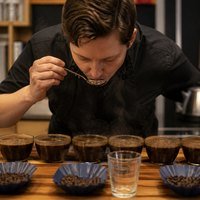
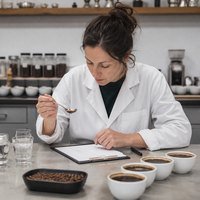
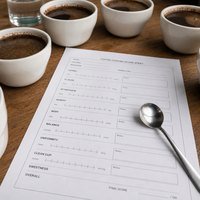
The person who tastes coffee at the table, blind, with a spoon and a form. They do not “opine”: they score fragrance, flavour, acidity, body and defects. At origin the mill cupper decides whether a lot goes specialty or commodity. Without a cupper there is no Cup of Excellence and no microlot price: only warehouse smell.

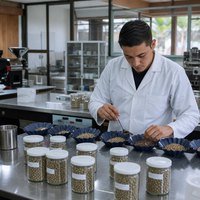
Cupping

Cupping

Also: Tasting table

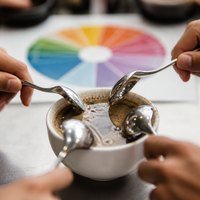
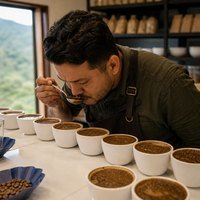
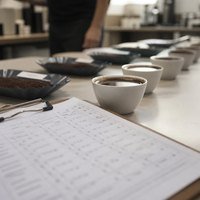
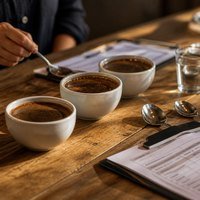
The professional tasting of coffee: grind, smell dry, pour water at temperature, break the crust and slurp from a spoon to spray the liquid. Aroma, flavour, acidity, body, sweetness and balance are scored. At Cup of Excellence a lot goes through five or more blind cuppings before auction.

Cuscatleco

Cuscatleco

A Salvadoran PROMECAFE/CIRAD hybrid, bred to resist rust without pushing the cup into the background. It is not Pacamara or Geisha: it is the tree many farms replant with after 2012. On this site it sits beside Marsellesa as the practical way to keep the grove alive, not as an auction lot.

D 3 terms
Defect

Defect

Also: Primary and secondary defects

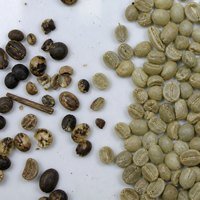
Anything that should not be in the bag: black bean, sour, insect-bored, broken, stick or stone. The SCA counts them in a 350 g sample. One serious primary defect can sink a specialty lot. In the cup it reads as dirty ferment, paper or earth. Good grading is removing defects before the roaster pays for them.

Denomination of origin

Denomination of origin

Also: DO; geographical indication

A legal mark: the coffee comes from a defined place, with altitude and quality rules. El Salvador has six: Apaneca-Ilamatepec, Alotepec-Metapán, Bálsamo-Quezaltepec, Cacahuatique, Tecapa-Chinameca and Chichontepec. It does not by itself guarantee 90 points, but it ties the coffee to a verifiable terroir.

Direct trade

Direct trade

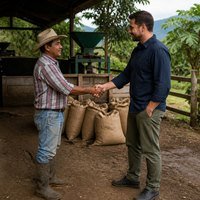
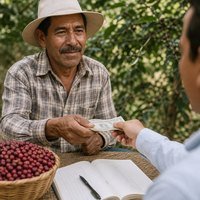
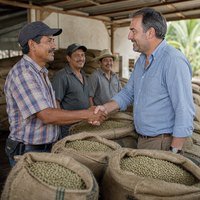
Buying coffee from the farm or the producer, without the long chain of commodity middlemen. It is not a stamp: it is a relationship. The roaster knows origin, process and the price paid. On this site it is the core craft: a human bridge between those who grow in El Salvador and those who roast abroad.

E 2 terms
Espresso

Espresso

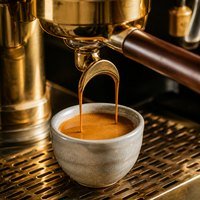
Coffee extracted under pressure (about 9 bars) in 25–30 seconds, into a small cup. It is the base of cappuccino and latte. A specialty espresso need not be a bitter shot: it can smell of cacao, flower or fruit if the bean and roast allow it.

Export

Export

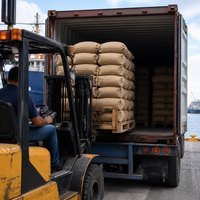
Selling coffee abroad, almost always as green beans in 60 kg bags. The United States buys about half of Salvadoran coffee; Belgium, Canada, Italy, Germany and Japan follow. From January to April 2026 exports reached USD 104.2 million, 45.8% more than in 2025.
F 5 terms
Fair Trade

Fair Trade

Also: Fairtrade

A seal that guarantees a floor price and a social premium, almost always through co-ops. It is not the same as direct trade: Fair Trade is a standard; direct trade is a named relationship. In El Salvador, farms with a Fairtrade seal sit beside microlots sold with no frog and no logo, to a roaster who already knows the plot.
Farm

Farm

Also: Finca

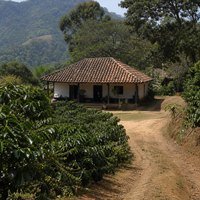
The unit of origin: land, trees, the family or company that works them. In specialty coffee the farm is named (La Esperanza, San Andrés, Mileydi) because the buyer wants to know whose lot it is, at what altitude, and how it was processed. “Coffee from El Salvador” is not the same as “coffee from Finca Reyes, Alotepec”.

Fermentation

Fermentation

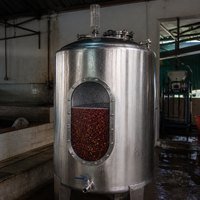
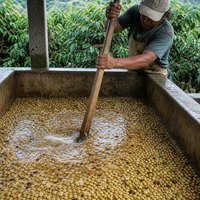
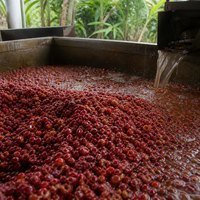
The stage when microbes transform the sugars in the mucilage. In classic washed coffee it lasts hours in a tank, so the mucilage slips off. In anaerobic and natural lots it is stretched on purpose to build aroma. Done well, it adds complexity; done badly, it smells of vinegar, onion or rot.

Filter

Filter

Also: Pour-over; filter coffee

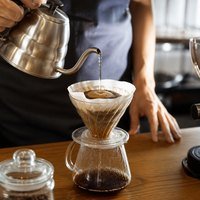
Brewing by sending hot water through ground coffee and a paper or a cone. It is not espresso: extraction is slower, with less pressure, and acidity and flower show more clearly. Many specialty roasters roast Salvadoran microlots “for filter”; espresso wants another profile, more development and less raw acidity.

Flowering

Flowering

Also: Blossom

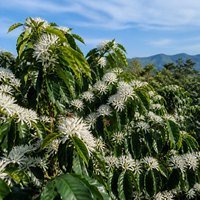
When the coffee tree covers itself in white, jasmine-scented flowers. If they set, those flowers become next season’s cherries. In El Salvador this usually follows the first rains. An El Niño or a storm at the wrong time can knock off blossom or fruit and cut the year’s volume.

G 3 terms
Geisha

Geisha

Also: Gesha

An Ethiopian variety famous for a floral cup (jasmine, bergamot, peach) and high auction prices. In El Salvador it is grown as high-altitude microlots. It is not the national variety — that is Pacamara or Bourbon — but it always shows up at CoE: in 2026 honey, natural and anaerobic Geishas were among the 29 auction lots.

Grading

Grading

Also: Screening; classification

Sorting coffee by size, density, colour and defects before export. It is done with screens, density tables and, increasingly, optical eyes. A bag marked “SHG EP” is not a flavour: it is a grade. In specialty, grading cleans the lot; it does not replace cupping. A huge Pacamara is not a defect: it is the variety.

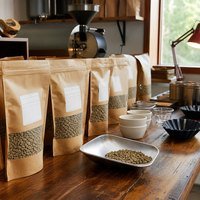
Green coffee

Green coffee

Also: Oro

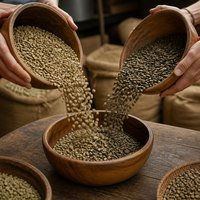
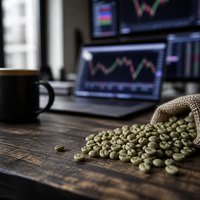
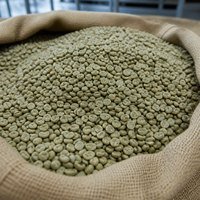
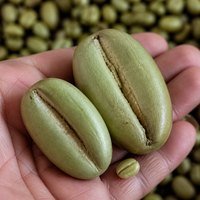
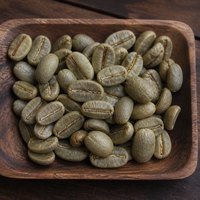
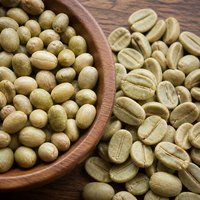
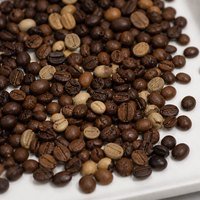
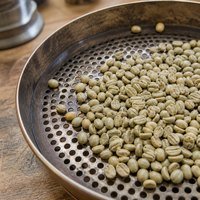
The dried, unroasted bean, ready to export. Salvadoran traders call it “oro” (gold). This is what the roaster buys: it has neither the brown colour nor the café aroma yet. Roasting happens at destination. Export figures (bags, dollars) almost always mean this green coffee.

H 3 terms
Honey

Honey

Also: Pulped natural

The cherry skin is removed and the mucilage (that sticky, honey-like layer) is left on the parchment while the bean dries in the sun. No bee honey is added. It gives more sweetness and body than washed coffee, with less risk than natural. La Esperanza’s honey Bernardina won CoE 2026.

Hulling

Hulling

Also: Dry mill; threshing

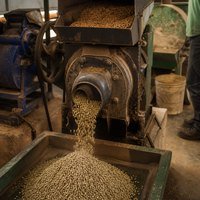
Removing the dry parchment to leave the green coffee (oro). It happens at the dry mill, almost always just before grading and bagging. Hull too soon, with high moisture, and the bean breaks; too late and the parchment turns brittle. The roaster never sees parchment: they see the result of this hulling.

Hybrid

Hybrid

A cross of two varieties. The Salvadoran case par excellence is Pacamara: Pacas × Maragogipe, selected by the coffee institute in the 1950s. A hybrid tries to combine virtues (cup, bean size, hardiness); it does not always get them all. Pacamara is uneven from one generation to the next, but in the cup it can be extraordinary.

L 1 term
Lot

Lot

A specific batch of coffee, identified: farm, variety, process, date, bags. It is not “the region’s coffee”; it is this pile of beans. Specialty coffee is bought by lot. At CoE each lot is cupped and auctioned on its own; that is why two halves of La Esperanza 2026 went to two different roasters.
M 7 terms
Manzana

Manzana

A land measure used in El Salvador and Central America: about 0.7 hectares (about 7,000 m²). A smallholder may have three or five manzanas of coffee. Local yield is often quoted in quintals per manzana, not per hectare.

Maragogipe

Maragogipe

Also: Maragogype; elephant bean

A Typica mutation with a very large bean, found in Brazil. The cup is usually mild; its fame is size. In El Salvador it was crossed with Pacas to create Pacamara. If you see a huge Salvadoran bean, it is often Pacamara, not a screening defect.

Marsellesa

Marsellesa

Also: CIRAD Marsellesa

A rust-resistant hybrid from the Sarchimor family, introduced in Central America by CIRAD. In El Salvador it is planted in renovation: more kilos, and it holds the fungus better than old Bourbon. The cup is clean, not spectacular. It does not replace Pacamara at auction; it holds farm volume so the microlot can exist.

Microlot

Microlot

A small lot kept apart with more care than the rest of the farm: one plot, one variety, one process. Often a few dozen or a few hundred bags (sometimes 5–100). This is the unit El Salvador shows specialty roasters: not an anonymous container, a concrete story.

Mill

Mill

Also: Beneficio

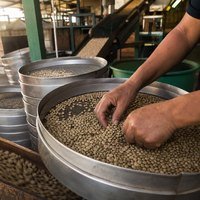
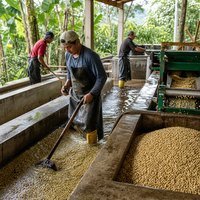
The place (and the work) where cherry becomes dry bean ready to export. A wet mill washes and pulps; a dry mill hulls parchment and grades the green coffee. Visiting a mill is seeing the industrial side: water, patios, drying beds, machines and the smell of fermenting fruit.

Moisture

Moisture

Also: Water content

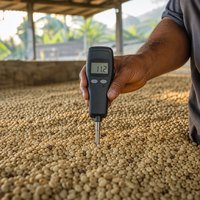
The water left in the bean after drying. For export the target is about 10–12%. Too dry and the coffee turns brittle and loses aroma; too wet and mould and dirty ferments appear on the voyage. At the mill it is read with a meter; in the lab too. A “pretty” microlot at 13.5% does not arrive well in Hamburg.

Mucilage

Mucilage

Also: Coffee honey

The sweet, gelatinous layer around the parchment, under the pulp. It is fruit sugar. Washed coffee removes it; honey leaves it on during drying; natural keeps it with the whole cherry. Whoever controls the mucilage controls much of the flavour.

N 3 terms
Nanolot

Nanolot

Even smaller than a microlot: often fewer than five bags. Used for expensive or experimental varieties (Geisha, SL-28, Sudan Rume) when there is no volume. The buyer pays for rarity and extreme traceability; the producer does not fill a container, they fill a box.

Natural

Natural

Also: Dry process

The whole cherry is dried, without pulping. The seed soaks up fruit sugars for days or weeks. The cup is intense — red fruit or wine — with more body. It is also the process with the highest risk of mould or dirty ferment if the weather turns. It is the oldest method (Ethiopia) and its own CoE category.

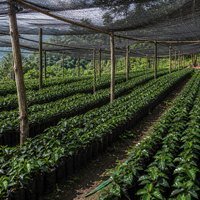
Nursery

Nursery

Also: Seedlings

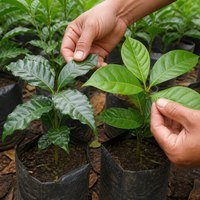
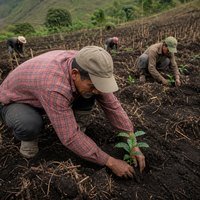
Where coffee seedlings are raised before they go to the grove. A serious nursery controls the seed (who the parent is, whether it is pure Pacamara or a mix). The government distributes rust-tolerant plants; specialty farms also keep Geisha or Pacamara with high genetic purity. Without a nursery there is no renovation.

O 2 terms
Organic

Organic

Coffee grown without synthetic pesticides or fertilisers, with certification. It is not a synonym for specialty: an organic lot may score 82 or 90. In El Salvador it sits beside certified microlots and farms with no seal but sound shade and soil practice.

Origin

Origin

Also: Single origin

Where the coffee comes from, by name: country, region, farm. “Travelling to origin” means going to the farm, not to a trade fair. A single origin is not blended with other countries in the bag. El Salvador is a small origin in volume and a large one in character: volcano, altitude and its own varieties.

P 9 terms
Pacamara

Pacamara

El Salvador’s signature variety: a Pacas × Maragogipe cross made here around 1958. Large bean, often floral and fruity in the cup, with a broad body. It is fussy in the field and shines above 1,300 m. 23 March is National Pacamara Coffee Day. At CoE 2026 it was the most common variety (14 of 29 lots).

Pacas

Pacas

A Bourbon mutation found in El Salvador (Santa Ana, 1940s, Pacas family). A shorter plant, easier to pick than tall Bourbon, with a similar cup: sweet and balanced. It is one parent of Pacamara and part of Salvadoran coffee’s genetic identity.

Parchment

Parchment

Also: Pergamino

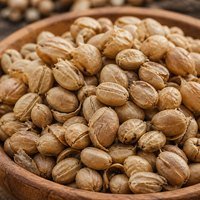
A thin, paper-like husk covering the bean after pulp and mucilage are gone. Coffee dries “in parchment” and is stored that way until hulling. Remove that husk and the green coffee (oro) appears. In the lab, a parchment sample is used to check moisture and defects before export.

Patio

Patio

Also: Drying patio

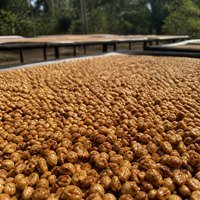
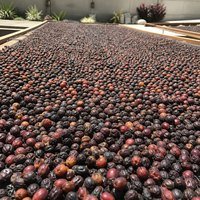
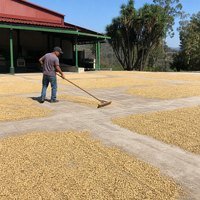
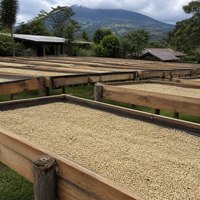
The concrete floor where coffee is spread in the sun, often in thin layers raked by hand. Cheaper and more bulk than raised beds; also easier to stain if rain or dirt hits. In El Salvador large mills dry on patio; competition microlots usually go to raised beds. A patio is not a defect: it is a method.

Peaberry

Peaberry

Also: Caracolillo; round bean

When the cherry sets a single round seed instead of the usual two flat ones. It is a natural accident, not a variety. The cup is sometimes called more concentrated; in the bag it is sorted out because it roasts differently. In El Salvador it shows up in Bourbon and Pacamara lots; it is not a luxury seal by itself.

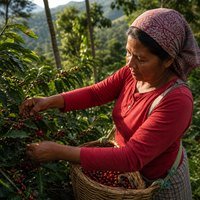
Picker

Picker

Also: Harvester; cortador

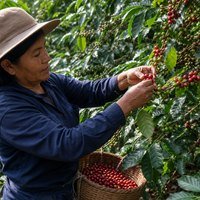
The person who picks cherry by hand. In El Salvador harvest is people, not machines: they are paid by can or by day, and that hand decides whether the lot is specialty or not. Without pickers there is no selective harvest. Labour shortage is, with rust, one of the bottlenecks of the Salvadoran grove.

Premium

Premium

Also: Specialty premium

The extra money paid above the exchange price (C market) for quality, certification or a direct relationship. In Salvadoran specialty it can run from USD 50/qq (C.A.F.E. Practices-type programmes) to USD 100–300/qq, and at CoE auction it jumps to tens of dollars per pound. That is what makes a microlot viable.

Pulp

Pulp

Also: Wet cascara

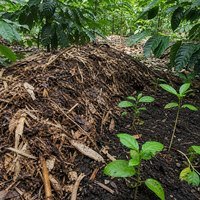
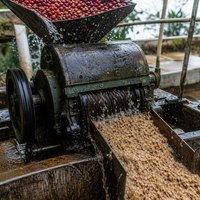
The flesh of the cherry, between skin and mucilage. Pulping separates it and, well handled, it becomes compost or dried cascara. Piled badly, it rots and fouls mill water. Natural process does not remove the pulp: it dries stuck to the seed. Washed and honey take it off on harvest day.

Pulping

Pulping

Also: Depulping

Removing the skin and pulp of the cherry, leaving the seed coated in mucilage (and then parchment). It is done by machine, almost always on harvest day. This is the step that separates natural process (not pulped) from washed and honey (both pulped).

Q 3 terms
Q Grader

Q Grader

Also: Q Arabica

A taster certified by the Coffee Quality Institute to score arabica with the SCA protocol. It is the shared language between origin and roaster. The Salvadoran Coffee Institute’s lab trains and employs Q Graders for physical and sensory analysis of export samples.

Quaker

Quaker

Also: Pale underripe roast

A bean that stays pale after roasting, like an unpopped kernel, because the cherry never ripened. In the cup it gives cereal, paper or astringency. It is picked out by hand after roast or, better, never let in: selective harvest. A Salvadoran specialty lot with many quakers points to mixed picking, not to the variety.

Quintal

Quintal

Also: qq; cwt

A coffee weight unit in Central America: 100 pounds, about 46 kg (sometimes rounded to the 45.36 kg hundredweight). Farm prices and premiums are quoted in dollars per quintal. The Central Reserve Bank reported an average USD 321.9/qq in the first four months of 2026. Do not confuse it with USDA’s 60 kg bag.

R 6 terms
Rainforest Alliance

Rainforest Alliance

An environmental and social certification: shade, biodiversity, labour conditions. USDA reports more than 230 farms and 34 mills with this seal in El Salvador. It does not replace cupping: a certified lot can be commodity or specialty. It does open doors at retailers and roasters that ask for the green frog.

Raised drying beds

Raised drying beds

Also: African beds

Mesh tables lifted off the ground where coffee dries in the sun. Air moves underneath, the bean never touches soil, and it can be turned by hand. Typical for microlots: slower and cleaner than a concrete patio. The name comes from their traditional use in East Africa.

Renovation

Renovation

Also: Replanting

Pulling out old coffee trees (many are over 25 years) and planting again. Without renovation, yields fall and rust wins. The trade estimates El Salvador would need about 30 million resistant plants a year for a decade. Today about 7 million are replaced just to cover trees that die.

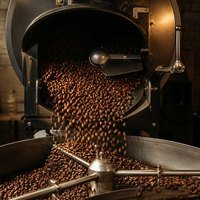
Roast

Roast

Also: Roasting

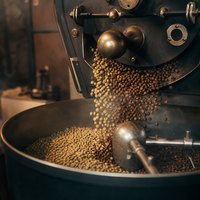
Heating green coffee until the bean browns, cracks and develops aroma. Roast does not create origin quality: it translates it or hides it. A Pacamara from Metapán can shine as a light filter roast or vanish in a dark, smoky one. On this site roasting happens at destination: El Salvador ships gold, not brown beans.

Roaster

Roaster

The person or company that turns green coffee into brown beans ready to grind. Roast can lift flower or chocolate, or burn everything into “generic coffee”. The typical client of this site is a specialty roaster in the United States, Europe or Asia who wants a direct relationship with Salvadoran farms.

Robusta

Robusta

Also: Coffea canephora

The other major commercial species. It grows lower, resists pests better and has more caffeine; in the cup it is more bitter and less aromatic. El Salvador does not grow it in the official crop: the map here is 100% arabica. It shows up in cheap imported solubles, not in the microlots on this site.

S 11 terms
Salvadoran Coffee Institute

Salvadoran Coffee Institute

Also: ISC

El Salvador’s public coffee body: lab, statistics, nurseries and the denominations of origin. It does not sell microlots; it holds the map. It trains cuppers, analyses export samples and keeps the rules of the six DOs. When this site cites an altitude floor or a quality mark, the legal anchor is usually the ISC.

Sample

Sample

Also: Offer sample; pre-ship

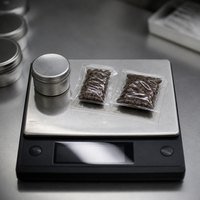
A small amount of coffee (often 200–350 g) that travels before the lot. The roaster cups the sample and decides whether to buy. There is an offer sample, a pre-ship and an arrival sample: if they do not match, there is a problem. In direct trade the sample is the spoken contract: what is approved in the cup is what must arrive in the bag.

SCA

SCA

Also: Specialty Coffee Association

The association that defines the cupping protocol and the 80-point threshold for calling a coffee “specialty”. It does not certify Salvadoran farms: it certifies a language. The form, the flavour wheel and the Q Grader come from that frame. Cup of Excellence uses a higher bar (87), but it drinks from the same table.

SCA score

SCA score

Also: SCA protocol

A 0-to-100 mark a taster gives using the Specialty Coffee Association form. 80 or above = specialty. 87 or above enters Cup of Excellence. 90 or above earns the Presidential Award. It is not a “like”: it measures fragrance, flavour, aftertaste, acidity, body, balance and freedom from defects.

Screen

Screen

Also: Mesh; sieve size

The sieve that measures bean size, in 64ths of an inch. A “screen 17/18” coffee is large; a 14 is smaller. Pacamara usually screens high because of genetics, not miracle. Screen does not say how it tastes: it says how it sits in the roaster. Mixed sizes roast unevenly; that is why coffee is graded before export.

Selective harvest

Selective harvest

Also: Corta; hand-picking

Picking only ripe cherries by hand, going over the same tree several times. Costlier and slower than stripping the whole branch, but it is the base of specialty coffee. In El Salvador that work is also called “corta”. Without people in the field, there is no good cup.

Shade

Shade

Also: Canopy; shade-grown

The trees that cover the coffee grove. They regulate sun and moisture, add organic matter and give firewood or fruit. Shade coffee ripens more slowly and often tastes better; it yields less volume. El Salvador presents itself as a coffee-forest origin, not a full-sun monocrop.

SL-28

SL-28

Also: SL28

A Kenyan variety (Scott Laboratories selection) with intense acidity, often currant or red fruit. In El Salvador it appears in nanolots and experimental lines, not in the Bourbon bulk. You find it in specialty nurseries and, now and then, in competition blends.

Specialty coffee

Specialty coffee

Also: Specialty

Coffee scored 80 or above out of 100 by a certified taster, using the SCA protocol. Not a slogan: it means ripe cherry, few defects, traceability (who grew it and how) and a recognisable cup. El Salvador does not compete on tonnage; it competes in this category.

Sudan Rume

Sudan Rume

Also: Rume Sudan

An Ethiopian variety with a very floral cup and very little volume. In El Salvador it appears in nanolots and in the ultra-specialty shop window, beside Geisha and SL-28. It does not carry the national harvest: Bourbon and Pacas do. It opens doors at auction and shows that a farm’s nursery did not stop in 1958.

Sweetness

Sweetness

The sugar you taste in the cup, with nothing added to the water. It comes from fully ripe cherry and a clean dry. It reads as panela, honey or ripe fruit. Specialty coffee has to be sweet; if it is bitter or astringent, either the pick was green or the roast went too far.

T 5 terms
Tasting notes

Tasting notes

Also: Sensory profile

The words used to describe coffee: jasmine, panela, cacao, peach, bergamot. Nobody adds jasmine to the bean: they are analogies of aroma and flavour. A natural Geisha may smell of white flowers; a washed Bourbon, of chocolate. They let producer and roaster speak the same language.

Tecapa-Chinameca

Tecapa-Chinameca

A denomination of origin on the eastern volcanic arc (Usulután and nearby). Coffees from this zone have found buyers in Asia; some lots show chocolate and citrus acidity. It is one of El Salvador’s six DOs, less famous than Apaneca but with its own eastern identity.

Terroir

Terroir

The flavour a place gives: volcanic soil, altitude, rain, shade and the producer’s hand. The word is borrowed from wine. Two Pacamaras, one on Ilamatepec and one in Metapán, do not taste the same even if the variety is the same. Talking terroir is talking why El Salvador is not interchangeable with another origin.

Traceability

Traceability

Being able to follow the bag back to the plot: farm, variety, altitude, process, harvest date. Without traceability there is no real direct trade or microlot. It is the opposite of coffee blended in an anonymous silo. Every cup, this site says, should be able to tell a real story.

Typica

Typica

Also: Typical arabica

One of the two classic branches of cultivated arabica (the other is Bourbon). A tall tree, elegant bean, clean cup and little hardiness. Little pure Typica remains in El Salvador: the stock became Bourbon, Pacas and then Pacamara. It is still the genetic grandfather: Maragogipe is a mutation of it, and from there, in part, Pacamara’s size.

U 1 term
Ultra-specialty

Ultra-specialty

The far end of specialty: rare varieties (Geisha, Sudan Rume, SL-28), nanolots, experimental processes and very high scores. It is not the country’s volume; it is the shop window. It opens doors; it does not replace the Bourbon and Pacamara that carry the harvest.

V 2 terms
Variety

Variety

Also: Varietal

The coffee tree’s cultivar: Bourbon, Pacas, Pacamara, Geisha, Bernardina… It is genetics, like grape variety in wine. It changes bean size, rust resistance and, above all, flavour. Mixing varieties in one bag erases that identity; separating them is the base of the microlot.

Volcanic soil

Volcanic soil

Also: Ash; andosol

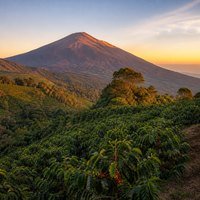
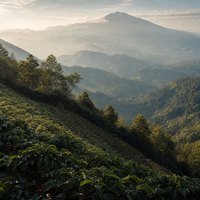
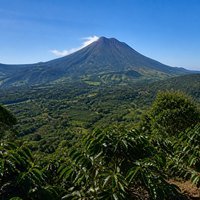
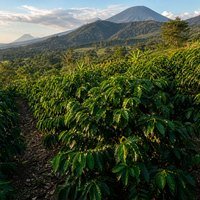
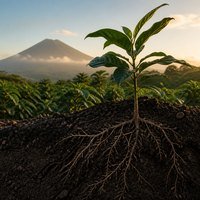
The ground of Salvadoran ranges: mineral, often dark, draining and feeding the coffee tree. It is not a bag slogan. Apaneca-Ilamatepec, Chichontepec or Tecapa-Chinameca are volcanoes before they are brands. This origin’s terroir starts there: altitude plus ash, not an aroma added at the mill.

W 1 term
Washed

Washed

Also: Fully washed

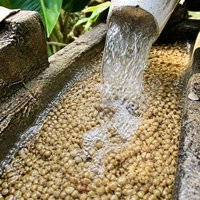
A process in which the cherry is pulped, fermented and the mucilage washed off with water before drying. The bean goes onto the beds “clean”. The cup is usually clearer, with bright acidity and less dried-fruit note. It is Central America’s classic method and one of three CoE categories (with honey and natural).