6



Six denominations of origin
A small country with a coffee of great reputation. Tradition, volcanic soils and a producing community committed to quality and sustainability.
6
800–2,000
100%
Oct–Mar
Salvadoran coffee is born under shade, amid altitude, biodiversity and craft. Between 800 and 2,000 metres, on rich volcanic soils, it yields cups with floral and fruity notes and a bright acidity.
Harvest runs from October to March, with timing that shifts by slope. Climate change has moved calendars, yet each range still has its own language of ripeness.
Since 2010 the country has protected its coffee with denominations of origin. Six mountain ranges — also recognised on the European market — let the buyer read the map in the cup: not “a Central American”, but Apaneca, Metapán or Cacahuatique.
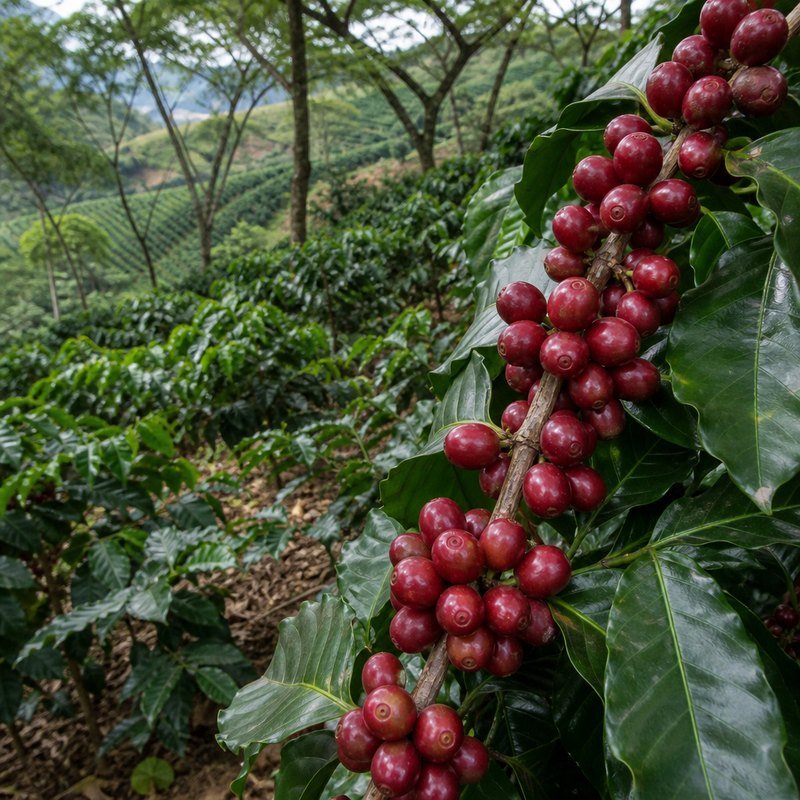
A geographic map of El Salvador with the coffee ranges. Move the cursor: each zone lights up and you see what is grown there.
The patches follow the denomination-of-origin ranges (ISC): altitude and municipalities in the rules. They are a guide to origin, not an official cadastral plan.
Different microclimates, volcanoes and altitudes. Each denomination of origin has a regulation, a minimum elevation and a cup character that specialty buyers already seek by name.
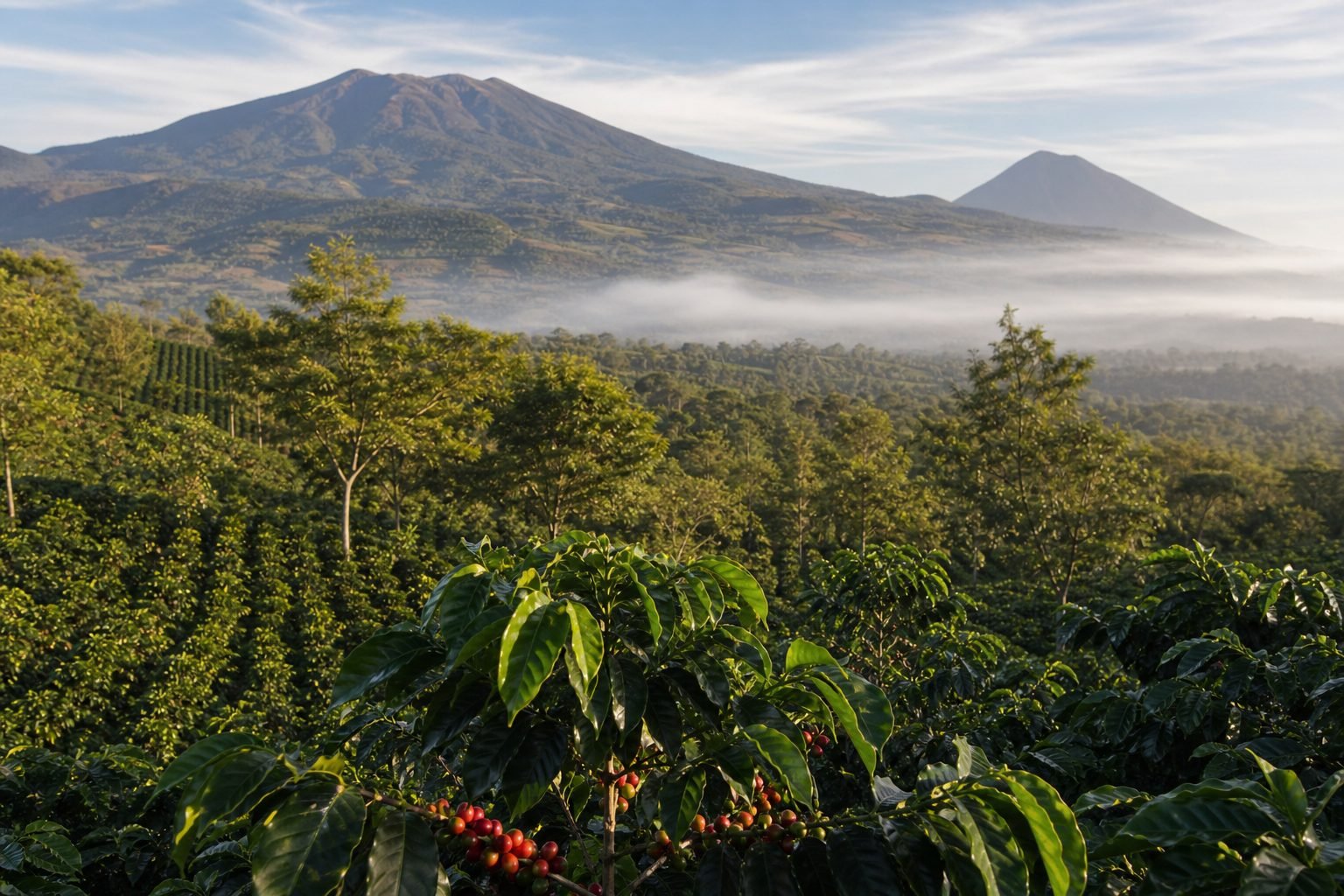
The largest · first DO (2010)
The country’s signature coffee range: a biosphere reserve, the Ilamatepec (Santa Ana), Izalco and Cerro Verde volcanoes, and the largest planted area. The denomination starts at 900 metres. Bourbon and Pacas fill the slopes; high-grown Pacamara is the lot the international market links to this hillside.
In the cup Chocolate, citrus and caramel in classic lots; floral and exotic when Pacamara ripens slowly under shade.
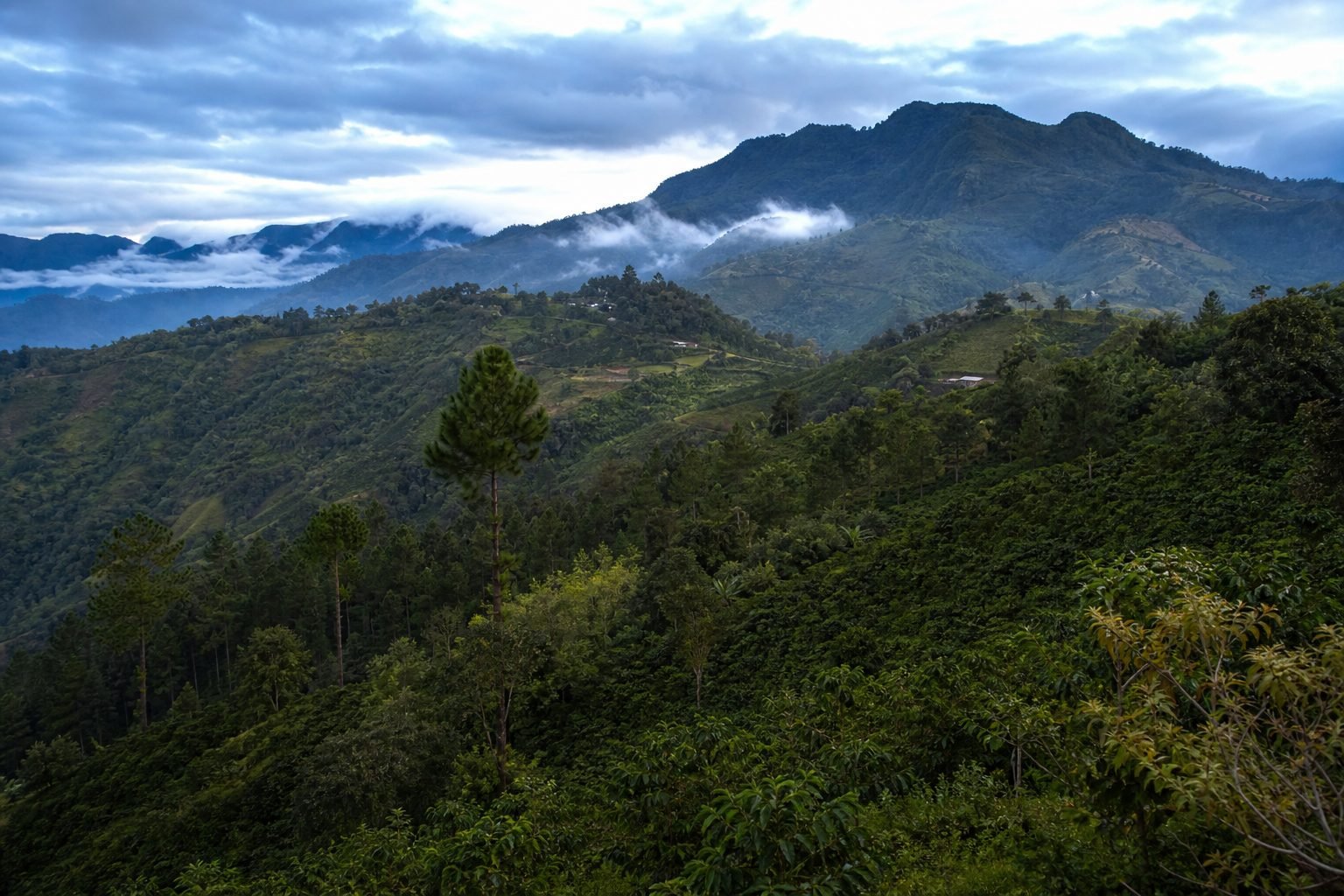
The highest · DO Café Alotepec
This denomination asks for the map’s highest minimum: 1,000 metres. Cool nights, slow ripening and mountain farms toward the northern border. Privileged ground for Pacamara and for arabicas of fine acidity. Buyers who want elegance before volume look here.
In the cup Bright acidity, delicate body, florals and high-grown fruit. Competition lots appear often.
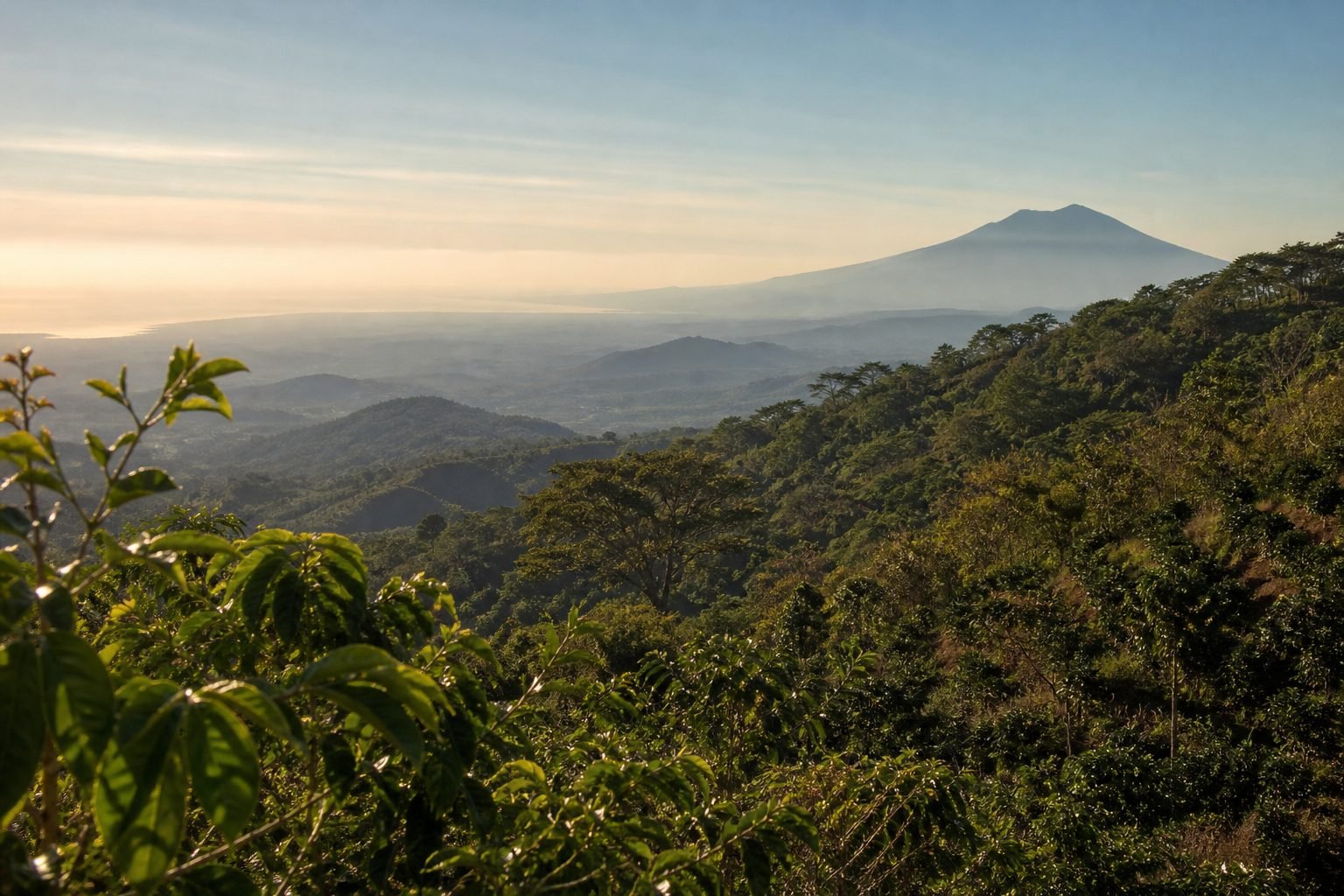
Bálsamo range · close to the capital
The range that looks toward the Pacific and San Salvador volcano (Quezaltepec). Minimum altitude 800 metres. Historically balsam country; today, farms within reach for origin trips and balanced profiles. Bourbon, Pacas and Pacamara sit in the DO rules.
In the cup Balance, chocolate, panela and soft citrus. Everyday high-quality cups, and microlots as the slope rises.
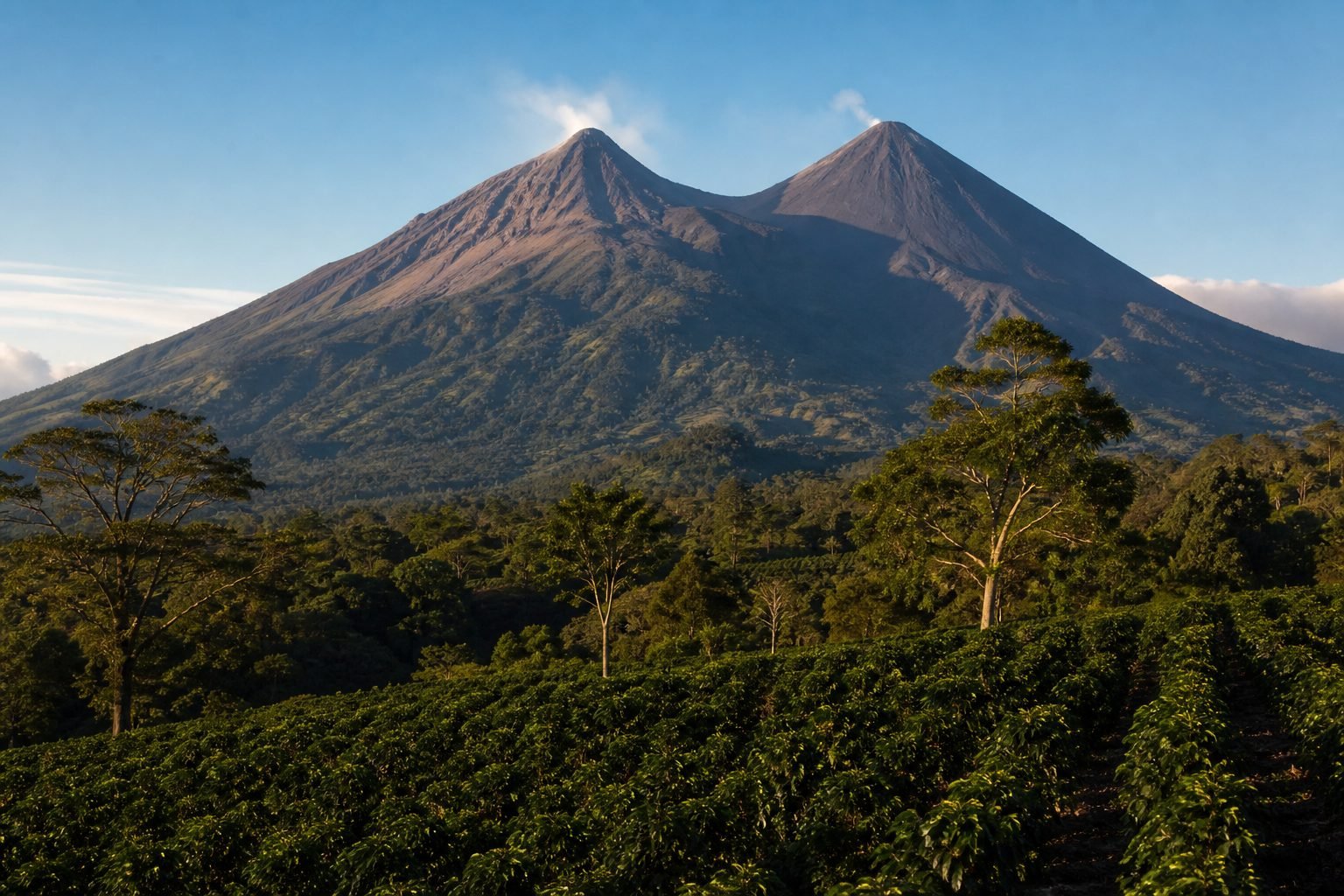
San Vicente volcano · DO Chichontepec
Chinchontepec — San Vicente volcano — marks the centre of the country with its twin silhouette. The denomination starts at 800 metres. Smaller volume, a very readable volcanic character: dark soils, defined slopes, lots a roaster remembers because they are not diluted in the big west.
In the cup Medium body, cocoa, ripe fruit and a clean volcanic-slope finish. Little supply, a lot of identity.
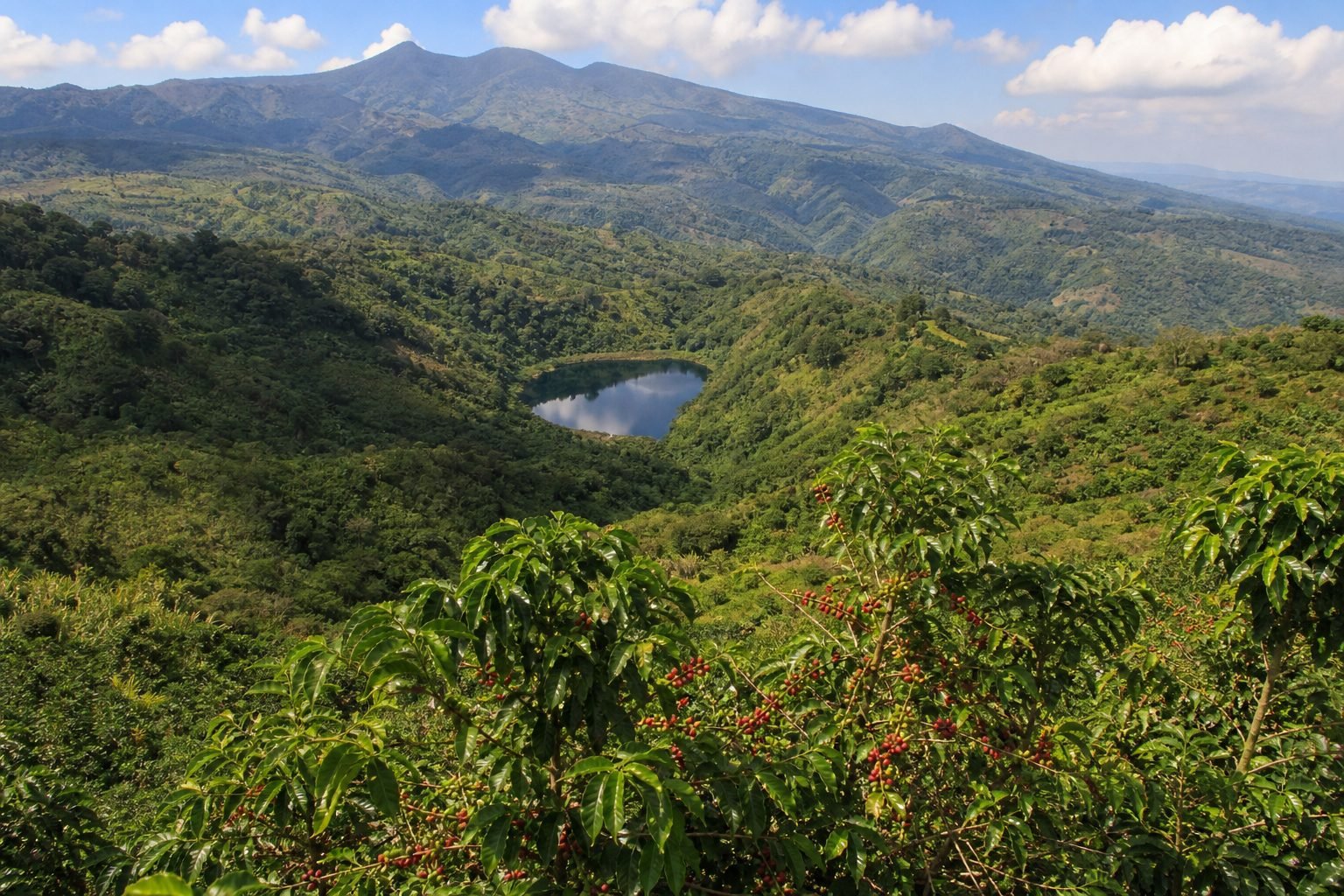
Eastern volcanoes · Alegría and Berlín
The eastern volcanic chain: Tecapa, Chinameca and coffee towns such as Alegría and Berlín. The DO starts at 900 metres. Profiles unlike the west: often more fruit, more sun on the slope, an origin story European buyers are still discovering next to Apaneca’s historic weight.
In the cup Tropical fruit, honey and lively acidity. Very expressive as honey lots and as high Berlín–Alegría microlots.
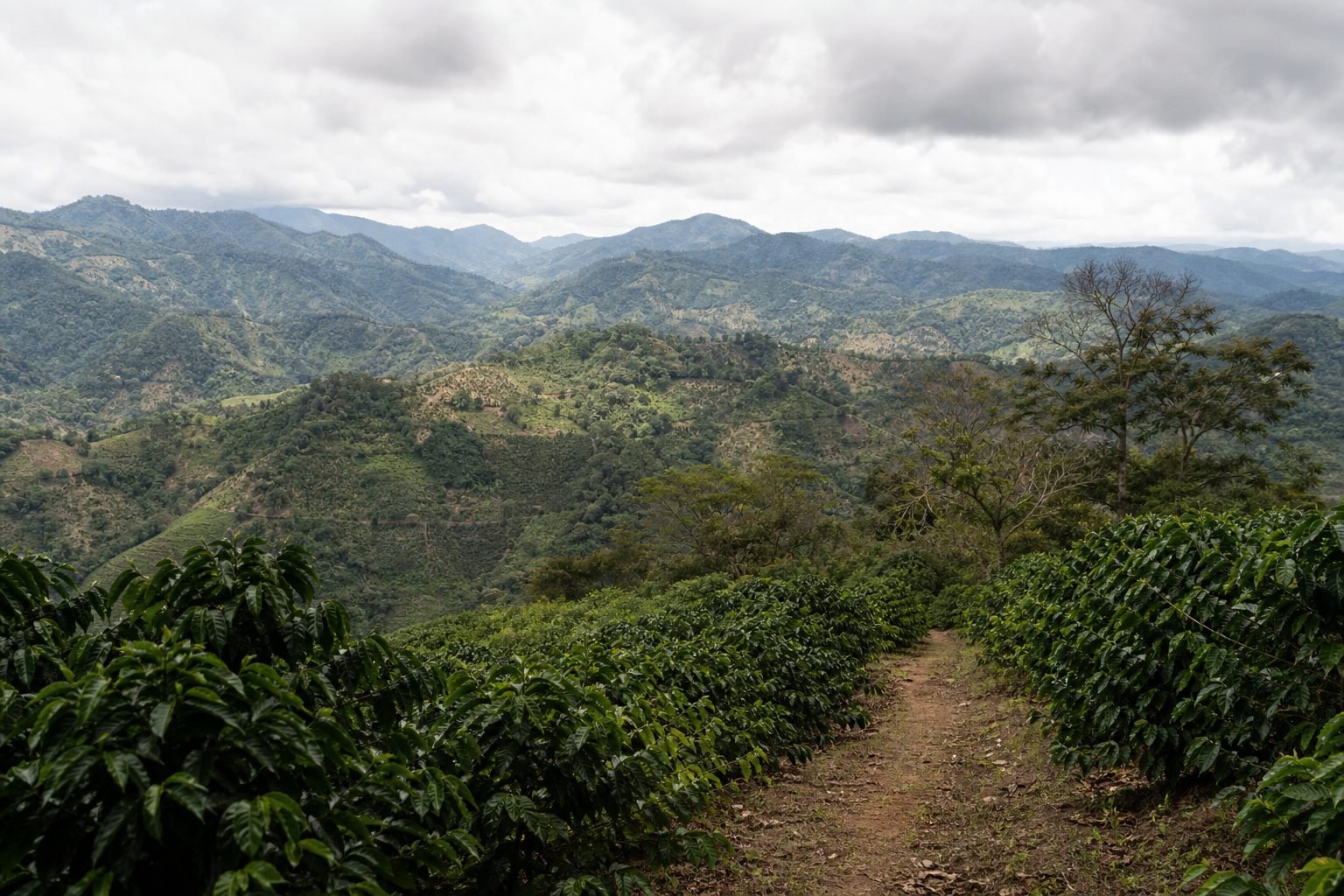
Morazán range · historic cradle
The Cacahuatique range, tied to national coffee history — including Gerardo Barrios’s push — is today smallholder country. The DO starts at 900 metres (with a possible extension to 800 if authorised). Far from the western tourist circuit, it offers lots with community trace and an eastern story specialty is beginning to pay for.
In the cup Sweetness, cocoa, dried fruit and a measured acidity. Character coffees for menus that want a Salvadoran east.
The Salvadoran genetic stock rests on Bourbon and Pacas, takes pride in Pacamara, and renews itself with rust-resistant hybrids and African specialty introductions.
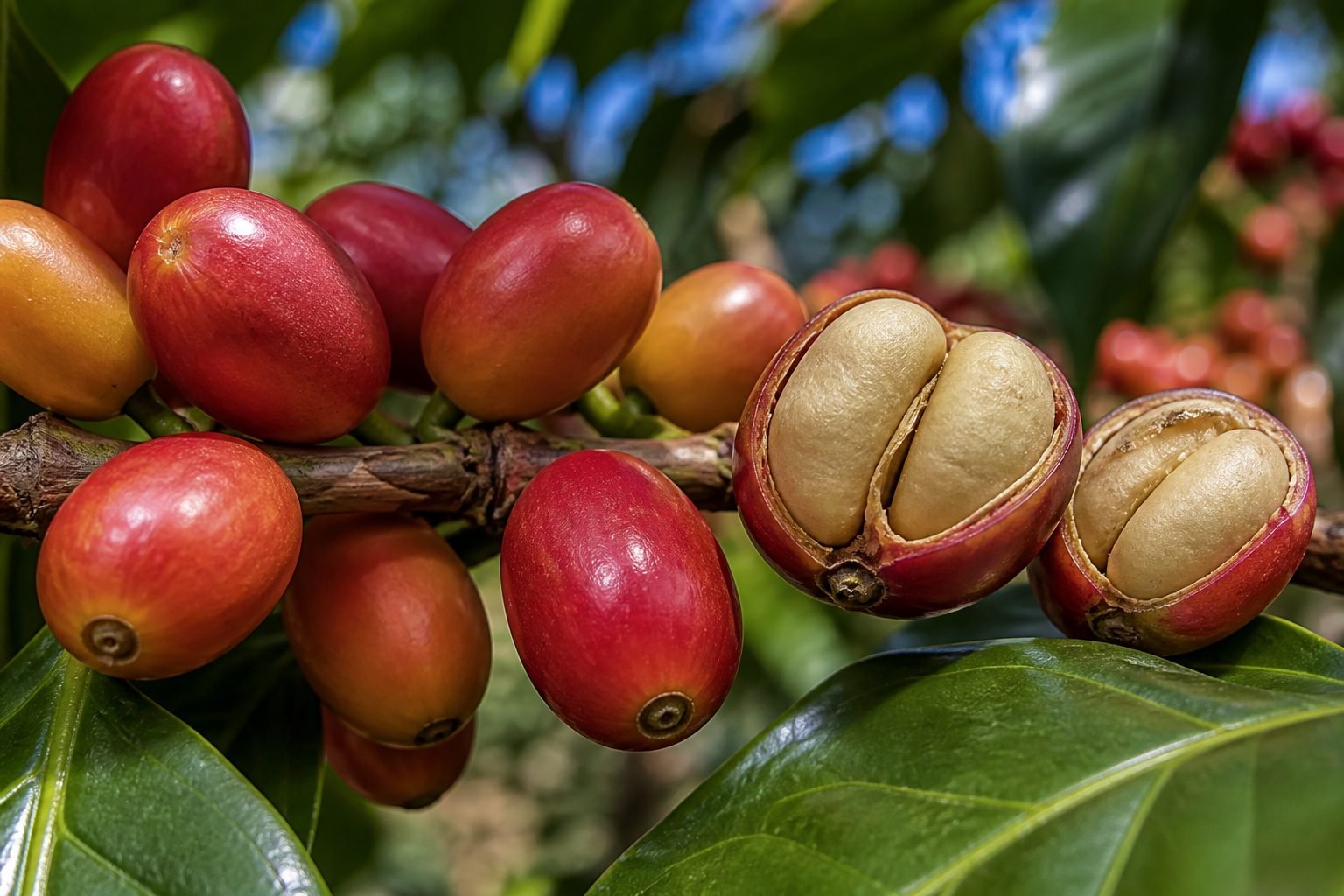
Origin · El Salvador · Pacas × Maragogipe (ISIC / PROCAFÉ)
National pride. A Pacas × Maragogipe cross bred in-country: huge bean, floral and exotic cup, jasmine and tropical fruit when the lot is right. Agronomically demanding and uneven; on the cupping table it is the name that opens doors.
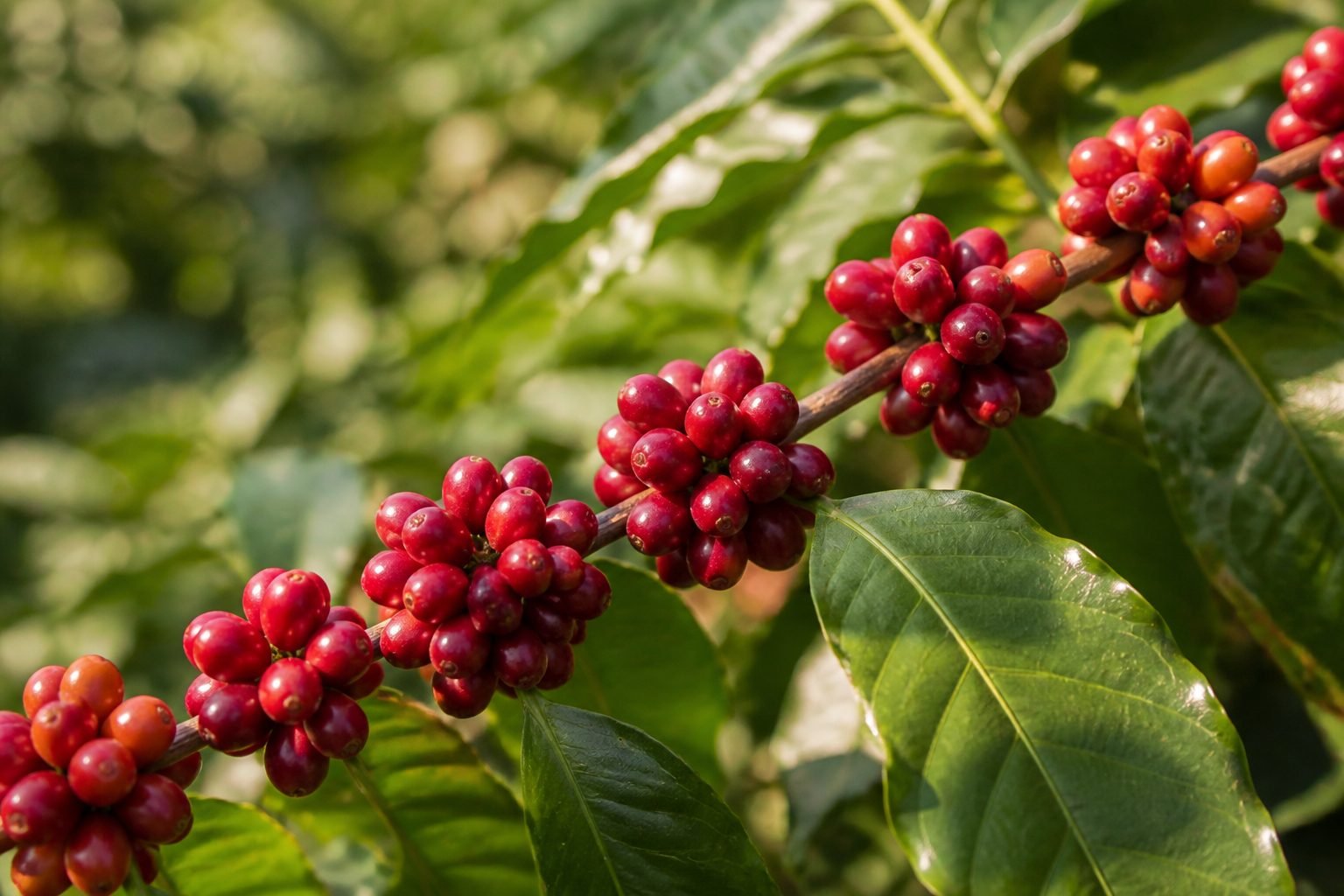
Origin · Classic arabica · red and orange in El Salvador
The backbone. Sweet, balanced, chocolate and panela: the profile a traditional palate expects from this origin. Still a privileged variety in the DOs. Without shade-grown Bourbon, Salvadoran coffee growing is unintelligible.
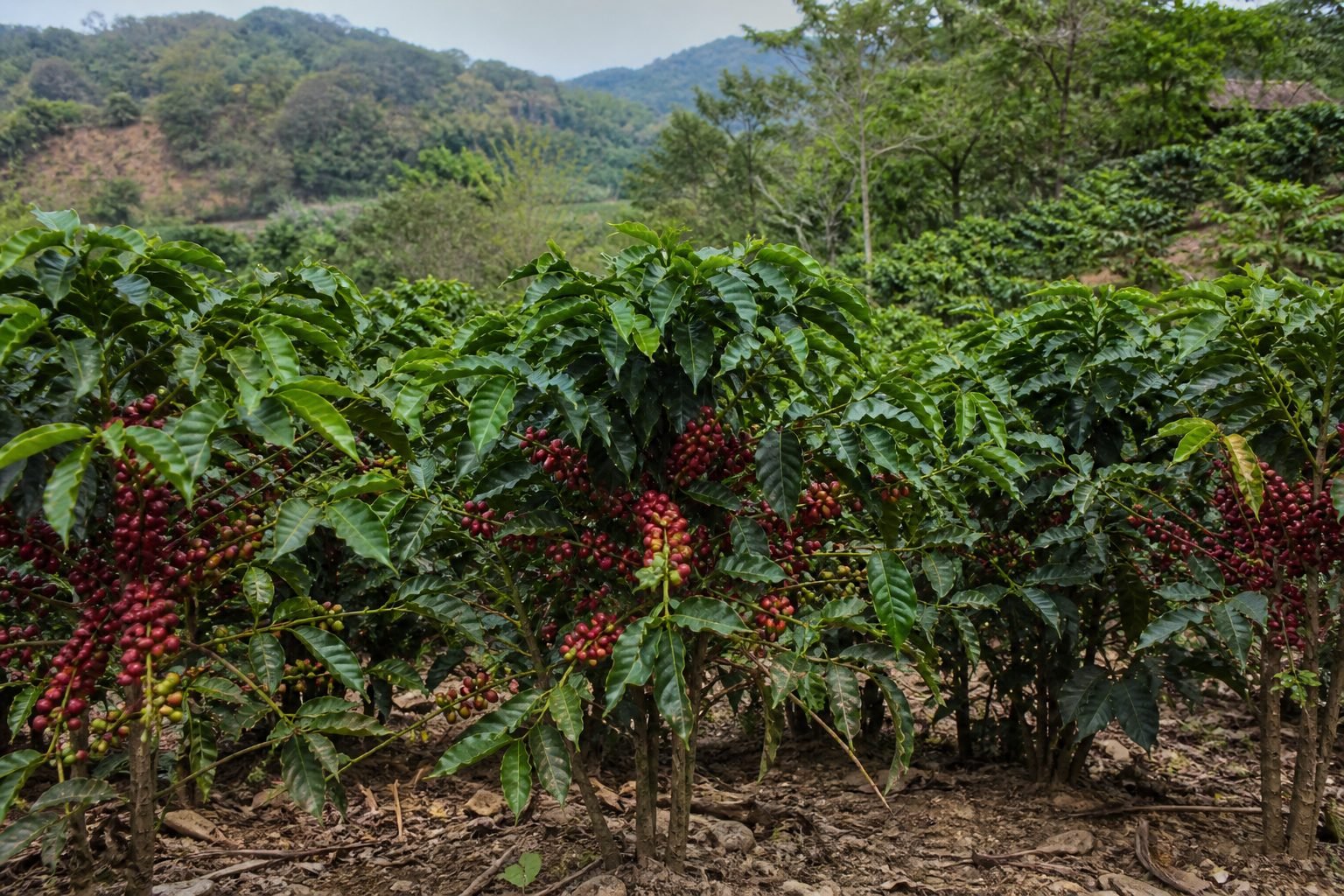
Origin · Santa Ana, 1949 · natural Bourbon mutation
Dwarf, dense planting, high quality. Found on the Pacas family farm and turned into national infrastructure — and into one of Pacamara’s parents. Buyers get Bourbon sweetness on a more compact, productive tree.
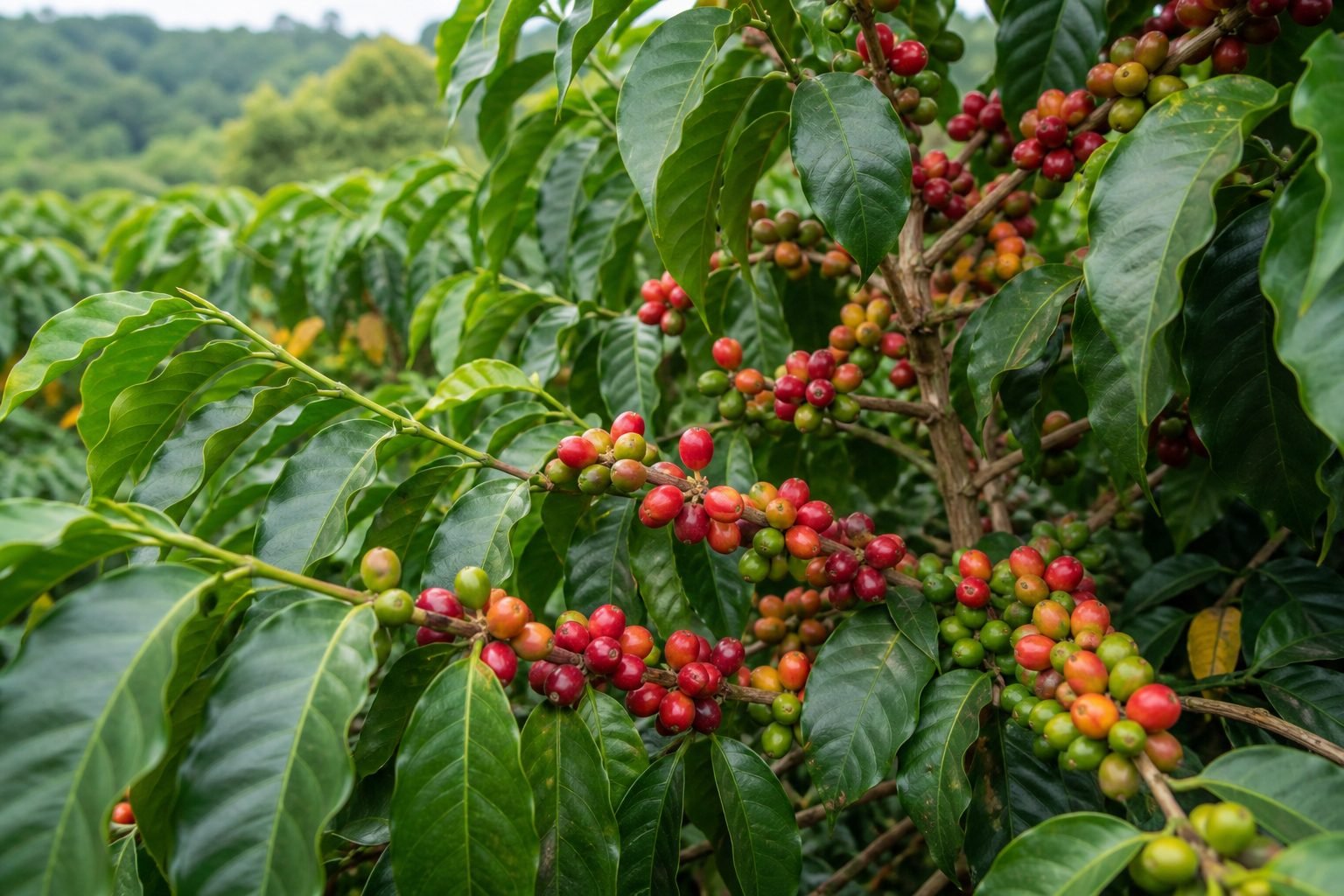
Origin · PROMECAFE hybrid · Villa Sarchí × Timor Hybrid
A reply to leaf rust without giving up the cup. A Central American dwarf hybrid, more resistant than pure Bourbon, meant to renew farms after sanitary crises. In specialty it is sought when the producer balances plant health and profile.
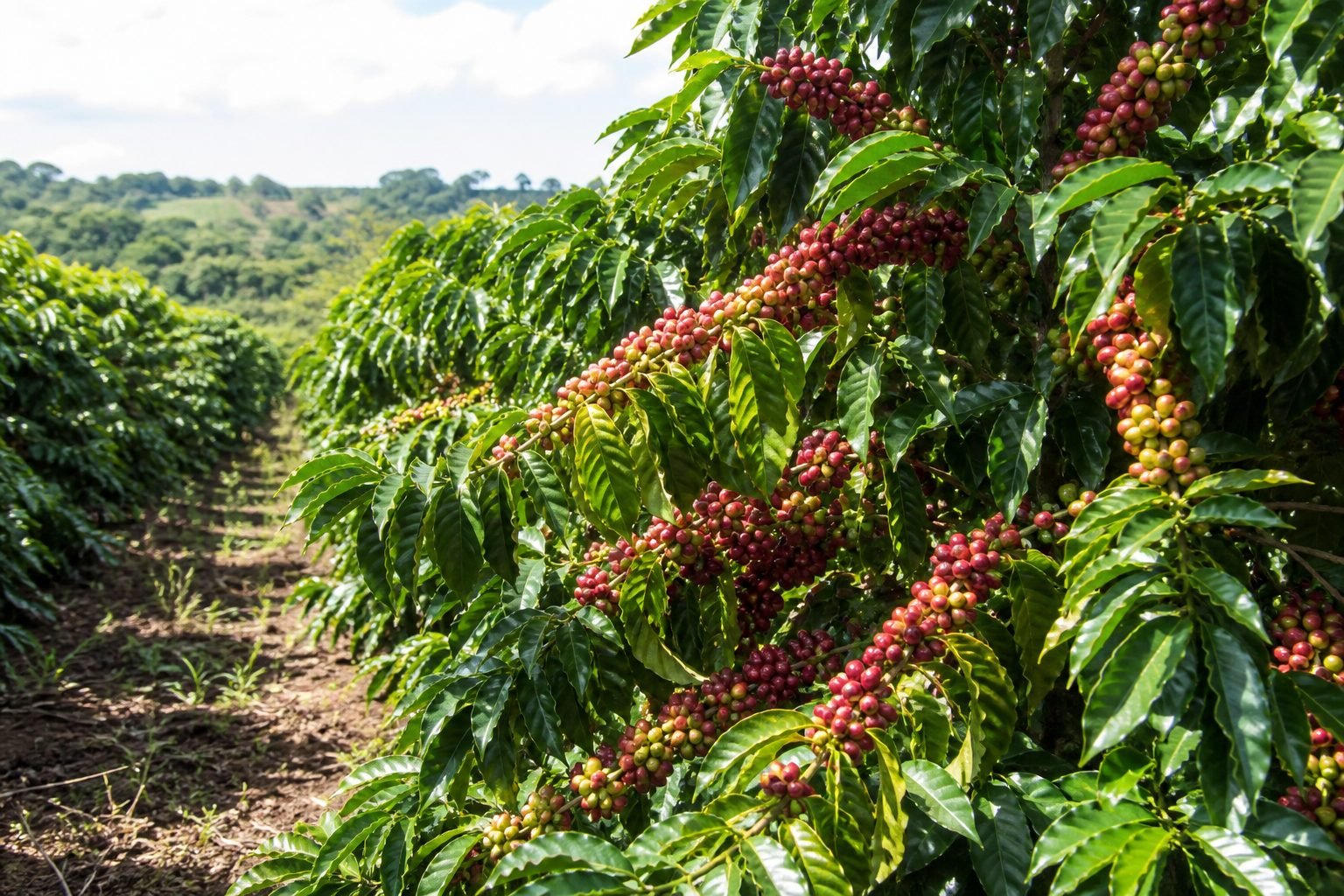
Origin · CIRAD / ECOM · Sarchimor × Ethiopian
A modern rust-resistant hybrid with a clean cup. After the 2012–2013 epidemic many farms adopted it rather than leave the slope. As a well-processed microlot it holds specialty without disguising Salvadoran origin.
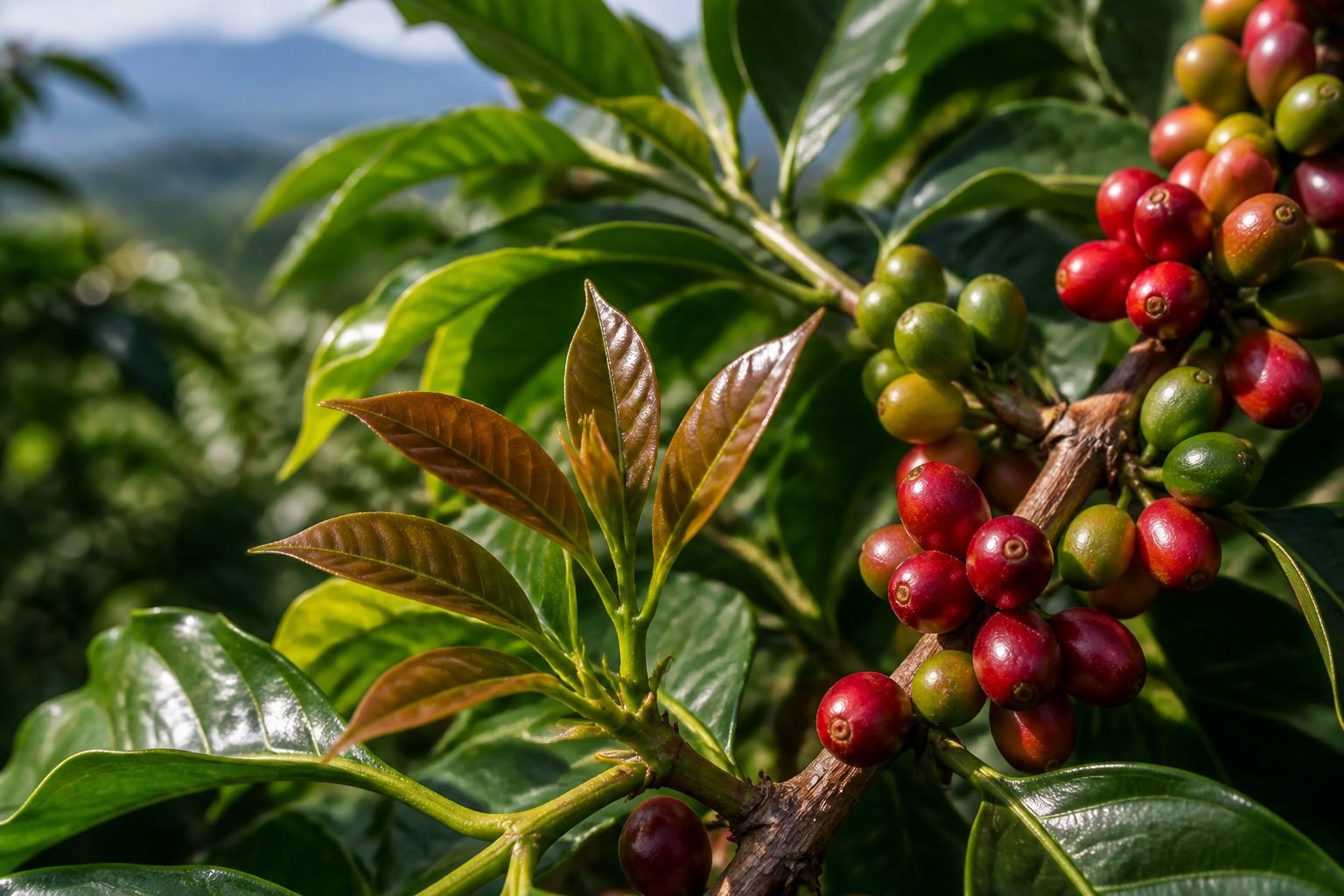
Origin · Scott Laboratories, Kenya · planted on specialty farms
An African variety of relative drought tolerance and a citrus, blackcurrant, bright-acid cup. In El Salvador it does not replace Bourbon: it is planted in trial and competition plots, on volcanic soil, for menus that want a bridge between Kenya and Central America.
Classic washed coffee remains the country’s signature. Alongside it, honeys, naturals and controlled fermentations let producers speak to roasters who pay for a lot, not an anonymous container.
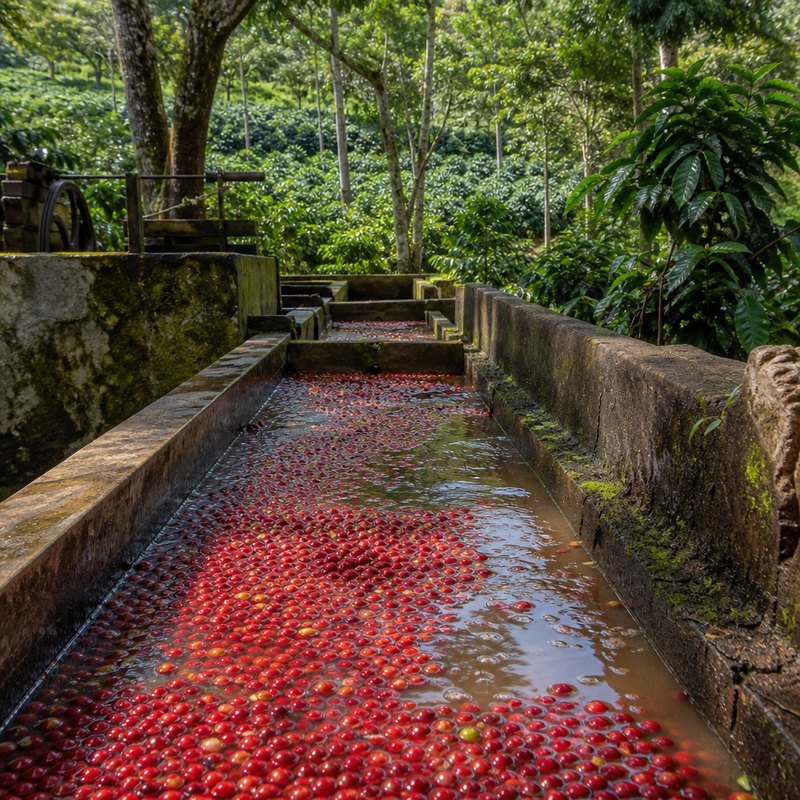
Pulped, fermented and washed. Cleanliness, clear acidity and panela or cocoa sweetness. Still the most readable language for a buyer of Salvadoran arabica.
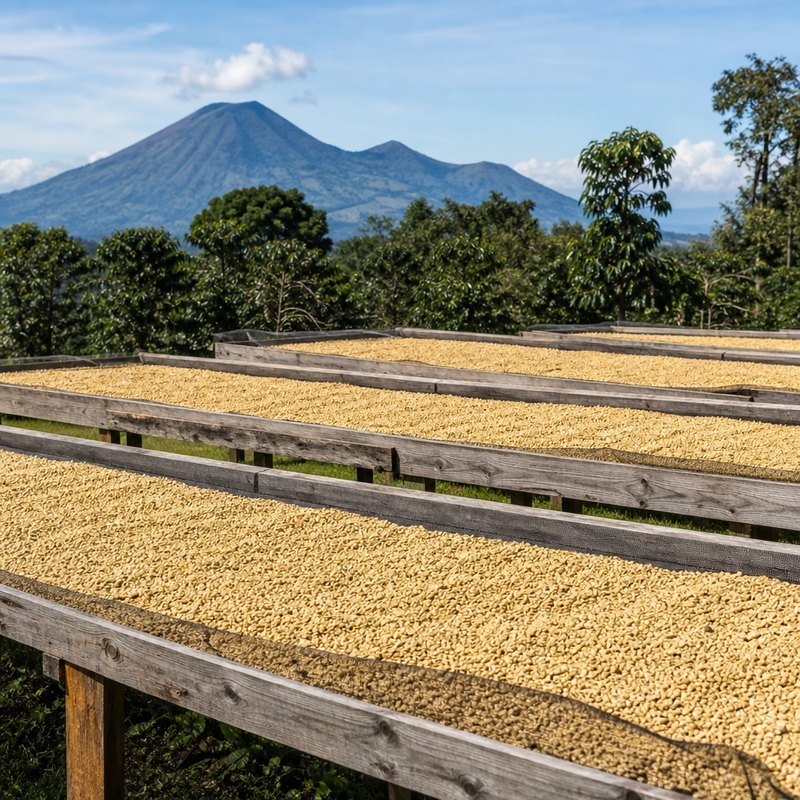
More mucilage or whole cherry on the drying bed. Body, fruit and complexity. They demand humidity and bed control: a mistake shows in the cup and in the price.
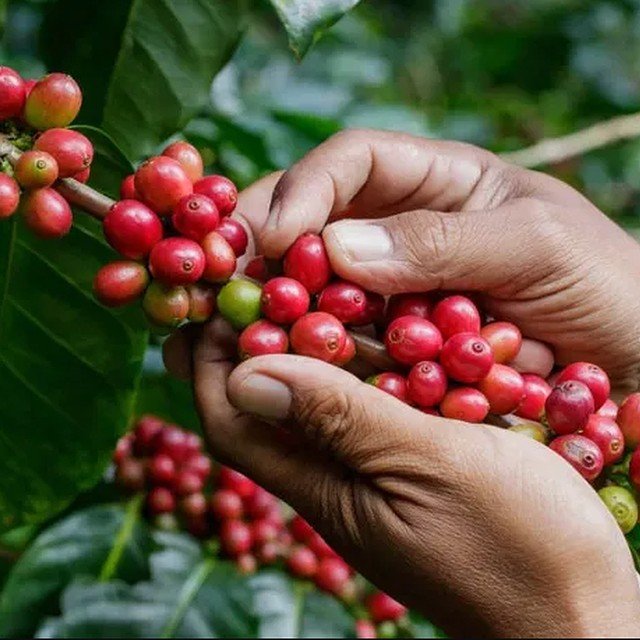
Little volume, a lot of trace: farm, variety, process and date. Controlled fermentations and origin cupping so the lot reaches specialty bars with a first and last name.
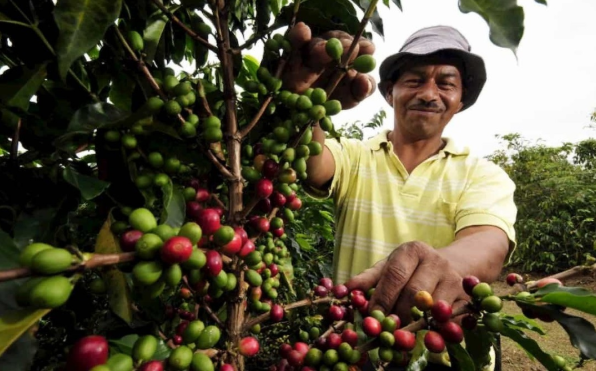
We work with producers who apply good agricultural practices, keep shade, care for soil and water and promote wellbeing in their communities. Gender equity, transparency and direct trade: coffee as a driver of transformation, not only a commodity.
Let’s work togetherDenominations of origin: Salvadoran Coffee Institute (ISC) and CNR records. Varieties: national tradition, PROMECAFE/CIRAD and World Coffee Research.

Connecting the world with the finest Salvadoran coffee. Direct trade, transparency and support.